
CANDIDIASIS (also called a Yeast infection or Thrush)
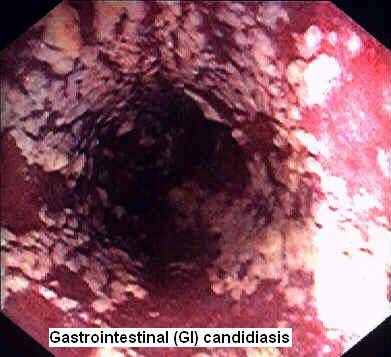
What is Candidiasis / Yeast infection / Thrush?
Candidiasis is a fungal infection (mycosis) of any of the Candida species. Other technical names for candidiasis include candidosis, moniliasis and oidiomycosis. The most prevalent species involved in yeast infections is C. Albicans.
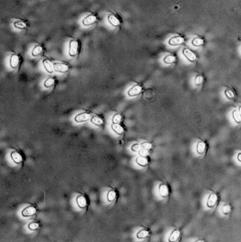
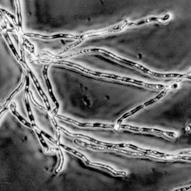
| Candida Albicans | ||
|---|---|---|
As a controlled population, the yeast form of Candida Albicans and other species is a normal part of the digestive tract flora (non-parasitic organisms that live inside our mouth, throat, intestines and genitouriniary tract, such as L. acidophilus, B. bifidum, L. bulgaricus, S. thermophilus and L. salivarius) One of Candida’s functions is to recognize and destroy pathogenic bacteria Candida does not like an acid environment Candida thrives in damp, moldy places and after consumption of foods rich in carbohydrates – such as sugars, refined carbohydrates and starches. When its numbers get out of control, it is the most frequent of the yeast fungi to cause damage, which can affect the whole body –some experts estimate that ~ one third of the industrial nation populations suffer from diseases attributed to candida albicans ! (Yeast represents only 1% of fungal species); | ||
There are three levels of candidiasis
(1) Thrush
The common unicellular yeast form of candidiasis
Yeast appears as a whitish plaque, discharge or rash
Is limited to mucosal membranes in the mouth or vagina. It is usually easy to cure in people who are not immuno-compromised;
High risk groups. Include newborns and adults over 65 years;
Vaginal thrush can be caused by frequent vaginal douching (in addition to the causes mentioned above). This disturbs vaginal pH, increasing risk of yeast infection.
Tips to prevent the progression from this level to the next more aggressive level
- Oral hygiene is crucial. To remove the candida and prevent the yeast from becoming more aggressive, which can happen over a period of years. Remember to brush your tongue, and rinse your mouth with an anti-fungal solution (E.g. 3% hydrogen peroxide),as well as brushing your teeth.
- Ensure your body is well-stocked with probiotics. E.g. by either taking a good probiotic supplement or eating a daily serving of an organic, multi-strain, live-culture yogurt, containing around 20 billion organisms. This will increase intestinal acidity, which deters Candida.
(2) Mycelial / Chronic candidiasis
With a weakened immune system, Candida albicans can overgrow and change into an aggressive fungus
In this aggressive form, Candida sprouts long root-like rhizoids. These are called hyphae, which Candida uses to anchor to mucous membranes, such as mouth, vagina, sinuses, ears, nasopharynx, respiratory system, genitourinary tract, warm moist skin areas (incl. under finger and toe-nails) and the GI tract lining.
Symptoms, Include:
- Reoccurring ulcers
- Red patches / painful sores
- “Leaky Gut Syndrome” Mycelial Candida makes microscopic holes in the gut lining, through which large food molecules, bacteria and yeast can pass into the bloodstream. When undigested substances get into the blood, where they are not supposed to be, they can cause allergies.
Candida Albicans is involved in over half of Interstitial Cystitis (IC) cases. There are also other emerging species causing IC, such as Candida glabrata.
Often no longer visible like white thrush. Candida can not be medically detected in the small intestine, at least, not until after you’re dead, when the intestine can be cut open.
Candida releases toxins to many parts of the body, further weakening the immune system. Candida Albicans produces ~100 different toxins putting a great strain on the liver. The liver can then no longer adequately detoxify the body, resulting in extreme fatigue and a general feeling of discomfort. These toxins produce pathological changes in tissues and organs and interfere with proper immune function. Candida toxins also cause allergic reactions and are responsible for the debilitating symptoms of Candidiasis.
(3) Invasive Candidiasis (IC)
Rarely, Candida can penetrate the intestinal walls, and gain access to the bloodstream (called candidemia) and thus can travel to the central nervous system or organs – where, if untreated, it is fatal in a matter of days.
Widespread throughout body. Candida can contaminate the glands, kidneys, bladder, lungs, heart, liver, skin, mucous membranes and the brain and nervous system producing a large number of symptoms.
Statistics. According to the Center for Disease Control, the blood of ~ 8 in every 100,000 people become infected with invasive Candidiasis (IC) each year in the U.S., and a review of data from the National Center for Health Statistics and recent literature determined that IC-associated mortality has remained stable since 1997, at approximately 0.4 deaths per 100,000 population.
Persons at high risk for candidemia. Include low-birth-weight babies, surgical patients, and those with immuno-deficiency (E.g. AIDS patients)

Symptoms of Candidiasis
| What are the symptoms of mycelial candidiasis? | ||
|---|---|---|
| Headaches/migraines | Bad breath | Rectal itching |
| Sugar cravings | Canker sores | Persistent heartburn |
| Muscle /joint pain | Sore throat | Nagging cough |
| Numbness in face/extremities | Tingling sensations | Acne |
| Night sweats | Clogged sinuses | PMS |
| Thrush * | Kidney/bladder infections | Arthritis |
| Flatulence (gas) | Gastritis | Diarrhea |
| Indigestion | Chronic constipation | Mood swings |
| Leaky gut syndrome | Allergies | Hyperactivity |
| Female problems: sterility /fibrosis /pregnancy problems /vaginitis /cystitis | Male disorders – prostatitis /impotence | Colitis/Ulcers in GI tract |
| Hormonal imbalance | Heart problems | Poor memory and balance |
| Earaches / ear infections | Asthma | Sinusitis |
| Blood sugar level swings | Meningitis | Depression |
| Symptoms of mycelial candidiasis by body areas | |
|---|---|
| CNS | Apathy, confusion, dizziness, poor concentration, spaced out |
| Digestive | Food allergies, gas, abdominal pain, gastritis, rectal itching, sugar cravings and ulcers |
| Genitourinary | Recurring bladder infections (cystitis), burning urination, kidney infection, urethritis. |
| Respiratory | Bronchitis, chronic cough, clogged sinuses, excess mucous, nasal itching, sinus infections, wheezing, sneezing, pneumonia, chronic congestion |
| Skin | Diaper rash, eczema, red rashes, itchy patches, sores |
| Eyes | Floaters, blurred vision. |
| Candida Albicans is associated with several health problems | ||
|---|---|---|
| (Here are just a few) | ||
| Fibromyalgia | CFS/CFIDS | Asthma |
| Food intolerance | Psoriasis | Multiple sclerosis |
Tests for systemic Candida Albicans
- MOST RELIABLE. “Candida Immune Complexes” Journal of Advancement in Medicine, Vol. 10, No. 3 published by the American College for Advancement of Medicine.Available from several online labs, this test costs > $100.
- Good. Candida antibody tests on blood or saliva;
- Less reliable. “Alcohol challenge”test.
- NOT Reliable. “Spit Test”. Originally promoted by a $multi-billion company recommending their product ThreeLac™. One spits into a glass of water and if an hour later there are strings dropping to the bottom of the glass, you have systemic Candida. Science cannot explain the logic behind this test, and it yields both false positives and false negatives.
Causes of candidiasis
Antibiotics are a major cause of candidiasis. By killing the controlling probiotic “good”bacteria, Candida, which is unaffected by antibiotics, is free to grow and spread. We also get a low-level, but constant source of antibiotics added to animal feed, when we eat the animal’s flesh.
Excess sugar consumption is also a major factor in GI candidiasis. Includes refined carbohydrates and starches, which your body turns into sugar. Candida ferments and rapidly proliferates in the presence of simple sugars, which significantly increase Candida’s ability to adhere to epithelial mucous cells.
Other causes include:
- Use of steroid drugs, acid blockers, birth control pills
- Poor diet Chlorinated water, pesticides
- Decreased immune function , diabetes, hypothyroidism, alcoholism, AIDS, Cancer, and chronic stress
How to treat Candida
Attend to 9 life choices for vibrant health
Follow the NEWSTARTS protocol. All aspects important, but to emphasize just a couple – try and reduce stress and get enough sleep. Candida is only present with a weakened immune system.
Diet
Keep your blood sugar low and on an even keel
This starves the Candida by taking away its food source:
- Eat 6 small meals / day
- Avoid processed foods
- Minimize sugar and starches. Includes fruit juices, dried /candied fruits, sodas, and since carbs break down into sugar, also avoid refined carbohydrates and carbs with a high glycemic index (E.g. potatoes). However, do not eat an excessively high protein diet and completely eliminate carbohydrates:
Protein metabolism produces alkaline ammonia conducive to Candida growth
Increases undigested proteins escaping the GI tract through a leaky gut – making extra work for immune system
The beneficial(Candida fighting),intestinal flora need feeding
Proportions of food groups in diet:
- 65% high fiber / low starch vegetables. Fresh and steamed vegetables, such as broccoli, celery, radish, asparagus, onions /garlic (very good anti-fungals), ginger root, cabbage.
- 20% high protein foods. E.g. fish, nuts and seeds. Spray with a mix of 15-30 drops GSE in 2 cups water to kill aflatoxins.
- 10% complex carbohydrates. E.g. brown rice, whole grain barley, beans, millet, amaranth, quinoa, and buckwheat.
- 5% fruit. Papaya, pineapple, grapefruit and all types of berries.
Other acceptable foods
Sea vegetable, olive oil, citrus fruit, herbal teas and unsweetened cranberry juice.
Ensure a goodly intake of nutrients to build the immune system
- Ensure a sufficiency of vitamins A, B, C, D and E
- Ensure sufficiency of minerals magnesium, iron, sulfur, zinc selenium
Increase body’s probiotic presence.
Probiotics are beneficial bacteria, which compete with Candida, produce antifungal enzymes that control Candida population, and aid re-colonization of other beneficial bacteria;
How to increase body’s probiotic presence
Curing vaginal and oral yeast infections.
Involves some simple remedies, but to prevent recurrence, you should apply the general recommendations against candidiasis mentioned below.
Specific Remedies for Vaginal Yeast Infection
Curing mycelial form of Candida.
Experience has shown that the mycelial form of Candida is very difficult to eliminate, especially if has broken through the intestinal wall into the blood stream and on into other body organs. Anti-fungal “tools”are available to help kill Candida, but to prevent its return requires:
- Restoring your immune system to its full potential
- Restoring a healthy balance of probiotics in your body. To keep control of pathogenic bacteria and fungi. The ideal ratio is 85% probiotics : 15% pathogenic organisms.
Also, be aware:
- As yeasts die off you may feel ill. Cut back treatments as necessary and then work back up to full dose;
- You need to be patient. Mycelial Candida is very difficult to eliminate
Anti-fungal “tools” to kill Candida yeast
Natural antifungals
Fungi living within the mucous membranes of the mouth may be eliminated by daily, oral swishing with an anti-fungal solution. Chlorine Dioxide Solution, Lugol’s iodine, wild oregano oil, grapefruit seed extract, tea tree oil or other anti-fungal, for several minutes just before bed.
Lugol’s Solution. Dose: 8 drops Lugol’s solution /day (contains 50mg of iodine/iodide)
Iodine -The Universal Medicine
- Rich in lauric, acid, caprylic, and caproic fatty acids. Short- to medium-chained fatty acids that work on breaking down the outer wall of yeast cells.
- Nigerian study successful in treating C. Albicans with virgin coconut oils. University College Hospital, Nigeria.
- Oral Dose: 1-3 Tbsp. coconut oil /day as a therapeutic dose to kill excessive yeast; you will need to start low and build up dose.
- GSE is one of the best non-toxic remedies for Candida
- GSE can simultaneously detoxify the system of other fungi, bacteria and parasites – that often go hand-in-hand with Candida.
- Consume GSE between meals
Powerful antifungal foods. E.g. garlic, cinnamon
Grape seed extract. Although it is antifungal when used alone, when combined with amphotericin B (the drug often used for treating fungal infections, but with severe side-effects ), it has produced a significant growth retardation of Candida with a lower dose of this drug, according to a 2007 “Phytomedicine” study. Dose must be high enough to be effective:
- Typical dose of grape seed extract. 75 -300 mg daily. “The Essential Herb-Drug-Vitamin Interaction Guide,” by George T. Grossberg and Barry Fox.
- Grape seed supplementation for up to 12 weeks is considered safe at recommended dosage on package. University of Maryland Medical Center.
- Side effects – can include sore throat, headache. Higher risk for bruising or bleeding if combined with blood-thinning drugs E.g. warfarin, heparin
Wild Oregano Oil
Olive Leaf Extract
Tea tree oil. Can be used EXTERNALLY. E.g. in the mouth or vagina
Lufenuron – Non-toxic, OTC veterinarian anti-fungal to kill Candida
- Kills Candida as effectively as Diflucan (oral “azole”antifungal). Can cure vaginal yeast, oral Candida, Candida rashes and intestinal Candidiasis. Serious cases may need multiple treatments.
- Unlike Diflucan, it does not burden liver or kidneys. Excreted in feces
- Lufenuron is “loaded” into fatty tissue for 5 days, such that its slow release maintains tissue concentration sufficient to kill Candida. By making holes in its cell walls. About ½of Candida‘s cell wall is composed of extremely hard chitin, the rest Ergosterol. Crabs, beetles, worms and fungi (including mushrooms), just to name a few species, have hard chitin coats that help protect them from pressure damage, but humans do not naturally have a use for chitin. Lufenuron destroys the chitin, which kills the Candida by allowing the fungus to “bleed out”through holes in its cell walls.
- Where to buy and cost? Lufenuron is sold at www.owndoc.com site -currently sold at wholesale prices of $27 for a 3 week course. You will also find treatment details and results at this site, hosted by nutritionist Sarah Vaughter and her husband, John, who holds a Phd in Chemistry and who cleared up his own persistent and serious Candida infection :
Lufenuron as a Candida treatment
Oral supplements to absorb Candida-associated toxins
Effective ADJUNCT supplements to treatment of Candida infection. In the intestines, these supplements counteract the unpleasant “die-off” Herxheimer reaction by adsorbing (chemically absorbing) toxins produced by Candida and dying Candida (that would otherwise be absorbed by the blood and carried throughout the body) and dead Candida. Enables people to continue treatment rather than give up
- Activated charcoal. Commonly found in air and water filters; suggested dose is 20g up to 35 g for severe cases /day in divided doses on an empty stomach until Candida is controlled
- Liquid Bentonite. A liquid clay
NOTE: Do NOT take required medications within 2 hours of taking Activated Charcoal.
Dietary mushrooms not a problem for Candida
Contrary to popular advice, mushrooms are NOT a problem food for Candida, and some species actually fight it. Such advice does not hold up against scientific scrutiny. Some wild mushrooms picked in Turkey were found to have strong anti-Candida activity. Fungi expert and mycologist for more than 30 years, Paul Stamet, author of MycoMedicinals, says that mmany fungi fight Candida. Mushroom catalogs with a “mycomedicinals”appendix list anti-Candida mushrooms (all, except Schizophyllum, also boost the immune system):
- Ganoderma lucidum (Reishi/Ling Chi)
- Grifola frondosa (Maitake/Hen of the Woods)
- Lentinula edodes (Shiitake)
- Trametes versicolor (Yun Zhi/Turkey Tail)
- Schizophyllum commune (Suehirotake/Split-Gill)