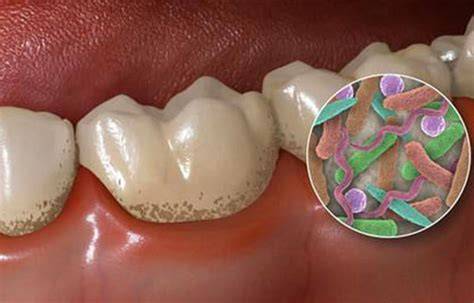


Chlorine Dioxide Therapy (CDT) - Simply the most powerful biooxidative therapy available
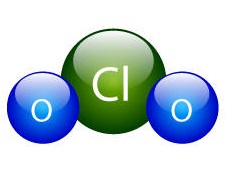

What is chlorine dioxide therapy (CDT)?
Chlorine dioxide is the world's most effective pathogen-killer - period!
CDT is a biooxidative therapy, which applies an appropriately dosed, extremely dilute chlorine dioxide solution (CDS) either TOPICALLY or SYSTEMICALLY . A bioxidative therapy is both oxidating and oxygenating and yields several health benefits.
- CDT deactivates microbes on contact – viruses, protozoa, fungi and bacteria (including endospores and biofilm}, and eliminates toxins and diseased cells and consequently boosts the immune system. The chlorine dioxide molecule provided by CDT selectively targets and oxidizes (removes electrons from) pathogens and toxins, leaving healthy tissue unaffected. By clearing the way, CDT empowers the body’s own healing mechanisms. After completing its oxidation spree, it breaks down into oxygen, salt and other harmless compounds.
- Beneficial for treating most health conditions (most of which involve infection or toxins). E.g. topical application for healing and pain relief for wounds, shingles, arthritis, bursitis, burns, basal cell and squamous cell skin cancers. Systemic application for internal / systemic problems such as cancer, stroke, also brain-related dementia, Parkinson’s disease, Alzheimer’s disease, UTI’s, kidney infection.

CDT was originally developed as the “MMS Protocol” by Jim Humble (died 2023, aged 91) – On a gold-mining expedition into a jungle in Guyana in 1996, a member of his team contracted malaria two days away from civilization. Humble had some stabilized oxygen with him that he used to sterilize water, and being in a dire situation, he gave the man a few drops in water. To everyone’s amazement, the stricken man was well within a few hours. Determined to find out why some “water sterilizer” had cured this man, Humble spent several years in research and experimentation. He learned that stabilized oxygen (also called stabilized chlorine dioxide) is a 3% solution of sodium chlorite that produces a powerful oxidant called chlorine dioxide. By increasing its concentration, adding an acidic “activator”, he reduced the extreme alkalinity of sodium chlorite and increased the amount of chlorine dioxide it produced 100-fold. After determining an effective dose, he claims that he personally treated and cured 2000 people of malaria, getting them back on their feet in just a few hours. As a ploy to avoid FDA involvement, Humble resorted to forming a NON-SPIRITUAL “church”- The Genesis II Church of Health and Healing (Humble as the “archbishop” and its healing ministers called “bishops”) to allow more freedom in communicating information on MMS and to administer the protocols (referred to as sacraments!)
What is chlorine dioxide solution (CDS)?
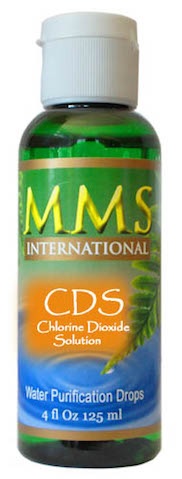
- First, let’s clear up the difference between CDS and MMS (a 22.4% solution of sodium chlorite – NaClO2). CDS is the more recent, easier to use, better tasting evolution of MMS by Andreas Kalker and Roger Rabés. CDS (ClO2) is a stable, fully activated solution containing the active chlorine dioxide molecule dissolved in saline water. Still available, MMS is a 22.4% solution of sodium chlorite (originally called Miracle Mineral Solution, later renamed to Master Mineral Solution). which requires activation with citric or hydrochloric acid just prior to use. There are however a few differences between the CDS from each source:
• Fully activated CDS contains no residual sodium chlorite or acidic activator, which are still present in activated MMS, and are responsible for its offensive taste / smell..
• Jim Humble considers that the residual unactivated sodium chlorite continues to add benefit to the therapy as the residual sodium chlorite and acids continue to react. However, the stability of CDS helps determine its efficacy, and safety, via its more predicatble effects. Dr Andreas Kalcker, who developed CDS, points to extensive research that found only 6% of 1132 patients experienced minor adverse side-effects related to the Herxheimer reaction, which is a major improvement over MMS side-effects. MMS or CDS ? – Dr. Andreas Kalcker
• The presence of the residual acid in MMS lowers the pH of the solution making it more of an irritant compared to CDS, with its neutral pH (no acidity).
• Jim Humble wrote that fully activated CDS can reach a plateau in its beneficial effects after several months, in which case it is better to switch to activated MMS. MMS1 and CDS – the Difference – Jim Humble
- CDS production. CDS is made by bubbling chlorine dioxide gas through slightly saline water to achieve complete saturation.
- CDS does not require additional activation. However, 0.3% CDS requires 8 times more drops than MMS to produce the same strength dose as activated MMS in an identical amount of water. CDS is not made stronger. Typically, 1 ml of CDS is equivalent to 1 drop of MMS (a very alkaline (pH 13) 22.4% solution of sodium chlorite), Undiluted 0.3% CDS contains 3000 PPM chlorine dioxide.
- CDS has a close to neutral pH of about 7. The pH of CDS depends on the ph of the water used for dilution. The residual acid in activated MMS makes the solution have a more acidic pH <7, which can cause irritation in topical applications..
- CDS does not have the awful taste and smell of MMS. CDS is generally better tolerated activated / diluted MMS.
- CDS is more sensitive to heat and light than MMS and has a shorter shelf-life. CDS must be kept in the fridge and out of sunlight. CDS has a shorter shelf-life (~7 mths) than MMS (2-4 years).
Functions of biooxidative CDT in the body
CDT is the most powerful biooxidative therapy available. In general, a biooxidative therapy provides or produces oxygen and oxidants (in strictly controlled amounts) to yield the following health benefits (some of which are obviously only obtained when therapy is applied systemically).
| Immune System | Stimulate immune function | Oxidizes cancer cells (and other weak/abnormal cells) and inhibits tumor metabolism |
| Oxidizes toxins, facilitating their excretion | Oxidizes bacteria, yeast, fungi, parasites, protozoa | |
| Scavenges free radicals | Chelates heavy metals, working well with EDTA | |
| Deactivates viruses | Prevents shock | |
| Circulation / Oxygen | Breaks up red blood cell clumping | Cleans arteries and veins, improving circulation |
| Increases cellular ATP energy production | Increases partial pressure of oxygen in the blood | |
| Prevents stroke damage | Reduces cardiac arrhythmia | |
| Enzymes | Normalizes hormone and enzyme production | Stimulates production of cell-protective antioxidant enzymes |
| Healing | Reduces inflammation | Reduces pain |
| Stops bleeding | Supports / enhances healing process | |
| Brain | Calms the nerves | Improves brain/memory function |
| Disease | Purifies the blood and lymph | Prevents/reverses degenerative disease |
| Prevents/Treats communicable diseases | Prevents/Eliminates auto-immune diseases |
Chlorine dioxide SAFELY destroys bacteria (including biofilm (bacterial colonies) and endospores, a dormant form of some gram-positive bacteria that can survive harsh conditions, most significantly Bacillus and Clostridium genera), viruses, protozoa, fungi, toxins and diseased cells on contact in or on the body
Health benefits of CDT
Topical CDT
Appropriately applied, TOPICAL CDT provides a powerful tool for:
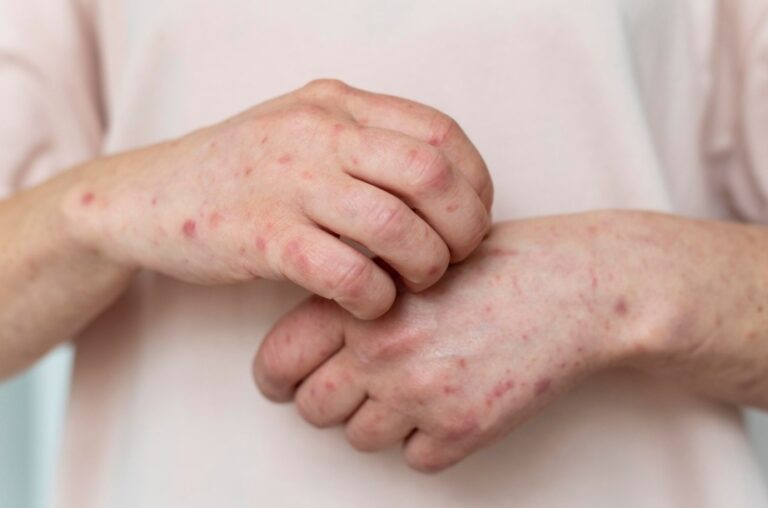
- Skin problems. E.g. acne, abscess / sore, wound, skin eruption, athlete’s foot, shingles, basal cell carcinoma, Bowen’s Disease, infections (incl. resistant MRSA, fungal infections), burns;
- Oral problems. E.g. For dental problems; halitosis; plaque removal; tighter gums; mercury toxicity (amalgam fillings); abscessed tooth (the best cure/control period); mouth / cold sores, including HerpesSImplex Virus (HSV – Type 1)
- External ear infections / skin conditions and inner ear infections
DMSO (Carries chlorine dioxide through skin and into cells) can be added to CDT to enable the chlorine dioxide molecule to penetrate deeper into tissue. E.g. bone and muscle
Internal / Systemic CDT
Includes oral consumption, nebulizing, or topical when combined with DMSO (which enables chlorine dioxide to enter blood stream through the skin).
Diseases for which CDT has had reported successes, include malaria, aids, diabetes, herpes, autism, melanoma, allergies, T.B., shingles, warts and many more. Used internally, the chlorine dioxide detoxifies the blood, muscles, brain, intestines, liver, nerves and more.
How to apply CDT and is it safe? (A hotly debated subject)
CDT is applied by 3 main methods
- Topically – for external conditions. CDS treatment can also be combined with DMSO, which escorts the treatment solution deeper into the skin. Prepared / activated MMS combined with DMSO can enter the body to access the bloodstream and organs. Applications include applying CDS to skin or simply allowing chlorine dioxide gas to contact skin or aural problems.
- Orally. For systemic therapy
- Injected (administered clinically). For systemic therapy. Chlorine dioxide for injection (CDI) is a 0.9% sodium chloride solution with a concentration of 50 ppm pure chlorine dioxide (produced via electrolysis, preferably with microfiltration, to be completely free of acid).
Other applications for CDT. Protocols include applying CDT via enema, rectally, vaginally, highly diluted CDS solution in the nose and eyes, and inhalation at distance as a preventative for respiratory disease.
Authors conclusions on safety and efficacy
CDT has received some negative media attention. ABC news 20/20 Program (2016), in particular, framed CDT in a bad light. Jim Humble’s response to what seemed like a damning presentation is found here
The complexity of reactions in CDT makes it difficult for anyone but those with a reasonable knowledge of chemistry to discuss its merits and shortfalls. Much of the information provided by sellers of CDS and MMS, and those who have only a smattering of understanding of the subject is not very helpful in getting to the truth.
Rebuttal of Merck Group Allegations against Chlorine Dioxide Solution (CDS)
CDT FOR TOPICAL PROBLEMS
Used TOPICALLY, this author has concluded that CDT provides a very powerful and safe therapy for health problems on the skin, and in the mouth, and ears. Both MMS and CDS can be used, but the neutral pH of fully activated CDS and fully activated MMS are less likely to cause irritation.
CDT For systemic health problems
As to SYSTEMIC CDT, after oral consumption of activated / diluted MMS at pretty high doses over several days, this author has no doubt that the therapy goes to work on cleansing the body of toxins, pathogens etc., However, the traumatic adverse reactions and particularly the taste and smell of the prepared MMS solutions did not help promote the therapy! This author prefers the use of fully activated CDS rather than partially activated MMS especially for anyone considering oral consumption, not to just avoid the off-putting taste and smell, but also for more consistent results with less adverse reactions, such as diarrhea and vomiting.
- CDS as used in oral CDT is not toxic. EPA data places CDS toxicity at 292 mg / kg. A 154# adult could consume > 7 liters of concentrated CDS for 14 days to reach this level of toxicity. The usual CDT dose is a few millilitersl.
If you decide to apply CDT internally, CDT must be at appropriate doses, paying attention to the preparation and application details of the specific therapy.
How-to instructions for some common CDT applications
- How to use CDS topically for skin infections and other skin-related problems
- How to use CDS ORALLY for whole body detox or any systemic health problem involving infection or toxins
- How to use CDS topically for ear infections
- How to use CDS as an effective mouthwash
Storage / Shelf-life of CDS
- Do not put CDS in contact with metal containers or lids. CDS should be kept in glass (preferable amber colored) or HDPE containers
- CDS needs to be kept cool (in the fridge) and out of direct UV sunlight. Also, each time the CDS bottle is opened, if not kept below 51° F, some chlorine dioxide gas is released, reducing its original 3000 ppm over time.
- Properly stored, CDS maintains potency for 5-7 months.
Jim Humble’s MMS Protocols
You can find the instructions for these by looking online or in Jim Humbles book.
- Oral CDT for many health issues / problems (MMS PROTOCOL 1000)
- Oral CDT for cancer and other life threatening diseases (MMS PROTOCOL 2000)
- Topical CDT for many health issues / problems utilizing DMSO to penetrate through the skin into the bloodstream for a systemic treatment (MMS PROTOCOL 3000)
- Oral CDT (using capsules) utilizing calcium hypochlorite (instead of sodium chlorite) (MMS PROTOCOL 4000)
Andreas Kalcker CDS Protocols
Protocols for CDS are found at the website of Andreas Kalcker (AK), who developed CDS as an improvement on using MMS for CDT.
- Protocol A – Beginner oral treatment starting at a low CDS dose
- Protocol B – Bath detox
- Protocol C – Most used oral treatment for several conditions and detox
- Protocol D – Topical treatment for skin problems
- Protocol E – Enemas – evacuation and slow absorption for GI and liver diseases, cancer and parasitosis
- Protocol F – Frequent oral doses. For sudden malaise – Fever, acute, viral and bacterial infections
- Protocol G – Exposure of area to released chlorine dioxide gas. Outer ear infections and skin treatments
- Protocol H – Inhalation at 1-2 meters away of released chlorine dioxide gas. Prevent contagions and respiratory infections and treat pulmonary conditions
- Protocol I – Topical treatment. Insect bites, burns, jellyfish stings and other skin conditions
- Protocol J – Mouthwash. Maintain oral hygeine and treat oral infections
- Protocol K – Topical treatment combined with DMSO. For deeper skin diseases, wounds, conditions
- Protocol L – Footbath. For foot problems E.g. fungus, uric acid, athlete’s foot, itching, pain. Also CFS, detox, diabetic neuropathy, plantar fasciitis, varicose veins
- Protocol M – Oral doses. For malaria
- Protocol N – Oral dose. For children
- Protocol O – Opthalamic and nose treatment. For eye infections, sinusitis, flu
- Protocol Q – Topical treatment for quick relief of pain from burns (fire, electrical, chemical or radiation)
- Protocol R – Rectal administration. For prostate or rectal colon cancer, anal fissures, hemorrhoids and other rectal conditions
- Protocol S – Oral doses. For sensitive people
- Protocol T – Oral doses. For severe terminal illness
- Protocol U – For urgent medical situations
- Protocol V – Vaginal irrigation for treating female genital problems – E.g. human papillomavirus (HPV), candiiasis, mycosis, polyps, cervical cancer, myomas (leiomyoma aka. uterine fibroid / benign tumor in muscles), cystitis, and renal or sexually transmitted problems, and as a contraceptive after sexual intercourse to immobilize sperm
- Protocol W – Additional uses of CDS. Ear cleaning, Body odor, dark circles under eyes, teeth cleaning, preserver in fridge, shoe odors
- Protocol X – Avoid pregnancy and contagion
- Protocol Y – For physicians only CDI injection / intravenous
- Protocol Z – Use microcurrent frequency generators PEMF therapy
Where to purchase CDS?
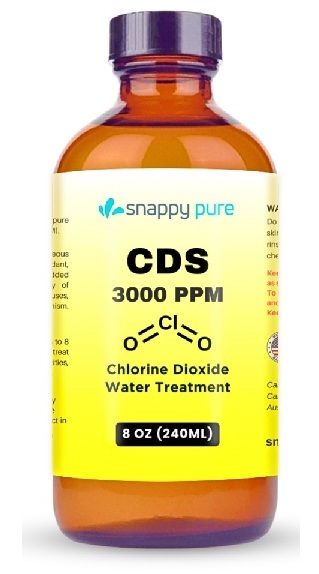
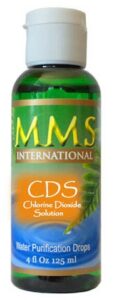
CDS can be purchased from several online retailers for around $23-29 / 4 fl oz bottle . Here are a few websites (without affiliation):
How does CDT work?
As a therapy, quantities of ClO2 produced are small enough not to be harmful, but sufficient to be one of the most effective killers of pathogens, and destroyers of toxins and unhealthy cells
- Chlorine dioxide is able to oxidize and destroy pathogens (e.g. bacteria (including biofilm), viruses, molds, fungus, protozoa) and toxins (including heavy metals, herbicides, pesticides) in the body, responsible for the majority of diseases of mankind. Pathogens and toxins are involved in an estimated 95% of diseases and ill-health, including inflammation / pain, chronically low energy, and problems maintaining healthy weight or a normal blood pressure
- Chlorine dioxide is able to destroy unhealthy cells (e.g. cancer cells) in and on the body.
- Chlorine dioxide can improve immune system function (when used systemically / internally).by giving it a helping hand
CDT increases blood oxygen. According to Andreas Kalcker, (CDS developer) venous blood gas measurements have indicated a 30% increase when taken orally, and 50% when injected, lasting about 2 hours. The body uses increased oxygen levels to promote health by aiding the immune system’s fight against undesireables and increasing cellular energy production.
Amount of chlorine dioxide produced is controlled by certain reaction parameters. In particular, solution concentration and pH. E.g. commercial applications for destroying pathogens range from 500 – 6000 ppm (parts per million), a strength that would prove deadly inside the body. IN CONTRAST, CDT is typically administered internally at a mere 24 ppm. (This is achieved with a dose in 4 oz water of 3 drops MMS (activated) or 24 drops (3 ml) CDS (need 8 times as many drops of CDS than MMS).
“. . . it overcomes colds in an hour or so, overcomes flu in less than 12 hours, overcomes pneumonia in less than 12 hours, cures more cancer than any other treatment by hundreds of times, cures hepatitis A, B, and C. It cures appendicitis, rheumatoid arthritis, and a hundred other diseases.”
– Jim Humble, MMS inventor (talking anecdotally about its systemic use)
Chlorine dioxide is a gas, and is typically used as a gas dissolved in water. Although ClO2 gas can sometimes be used directly on the skin or in the ears or mouth, by exposing these areas to the outgassing of chlorine dioxide gas from the CDS..
Chlorine dioxide can be made at point of use by activating sodium chlorite solution (MMS) with a weak acid or it is available and ready to use as CDS (Chlorine dioxide gas dissolved in slightly saline water, but it must be stored below 11°C (~52°F). to prevent gas leaving liquid;
ClO2 gas cannot be compressed, stored or shipped as a gas because it is unstable / explosive under pressure. Chlorine dioxide is considered explosive at higher concentrations, which exceed 10% by volume in air; its ignition temperature is about 130°C (266°F) at partial pressures. National Safety Council Data Sheet 525 -ClO2, 1967.
Chlorine dioxide as used in CDT is NOT chlorinating bleach (i.e. NOT like household bleach)
Although chlorine dioxide is used in high concentration for commercial non-chlorinating bleaching applications, the solutions used in CDT are extremely dilute.
Household bleach
- Household bleach is typically a 5 to 6% solution of sodium hypochlorite (NaClO). It oxidizes, chlorinates and bleaches by gradual release of chlorine, which is a short-lived bactericide. Chlorination involves attaching a chlorine molecule to anything it comes into contact with.
- Household bleach at concentrations typically used for wiping down surfaces is ineffective against viruses, molds (except on hard, non-porous surfaces), fungi and spore-forming organisms. Wet contact times for chlorine range from 2 to 10 minutes depending on the microbe, and chlorine solutions are inactivated by the presence of organic matter (blood, other proteinaceous material, dirt), heavy metal ions, low temperature, or ultraviolet irradiation (i.e. light). Old CDC reference no longer available
(OSHA is the first federal agency to announce a departure from the use of chlorine bleach in mold remediation. In time, other federal, state and other public safety agencies are expected to follow OSHA’s lead).
Vs. Chlorine dioxide
- Chlorine dioxide (ClO2) is dissolved in fully activated CDS (or produced by acid-activation of sodium chlorite (NaClO2 / MMS)). Although “chlorine is found in the chemical formula for chlorine dioxide (ClO2), it does not chlorinate any more than the chlorine in table salt (NaCl).
- ClO2 is effective against ALL microorganisms. ClO2 disinfects by oxidation only, not chlorination (i.e. electrophilic substitution) and is effective against ALL microorganisms, including the “superbugs” C. difficile, MRSA and Noro virus;
- ClO2 does not generate undesirable organochlorine compounds. Unlike chlorine, ClO2 is unaffected by ammonia and most organic substances.
Typical therapeutic use of chlorine dioxide solution (CDS) or activated/diluted MMS cannot be used to bleach anything. Although chlorine dioxide is used in high concentration for commercial, non-chlorinating bleaching applications, the solutions used in CDT are extremely dilute.
If you pour undiluted MMS (22.4% sodium chlorite) onto a pair of blue jeans (as shown in some media videos), then yes – it will turn them white!
ClO2 has very different chemical properties to chlorine
Although ClO2 shares a few characteristics with chlorine (E.g. green/yellowish gas with chlorine-like odor irritating to eyes, nose and throat), its chemical properties are very different to chlorine.
Chlorine (Cl2) vs. Chlorine Dioxide (ClO2) |
||
Chlorine (Cl2) |
Chlorine Dioxide (ClO2) |
|
| Solubility | Dissociatiates into hydrochloric acid and hypochlorous acid(main biocide in solution), which dissociates with increasing pH to form hypochlorite ion (many times weaker biocide than hypochlorous acid. i.e. chlorine can only be an effective bactericide at low pH (as found in the stomach); | 10 times more soluble than chlorine in water |
| Hydrolization(react with water to form compounds) | ClO2 doesn’t hydrolyze in solution. Remains a “true”dissolved gas retaining its oxidative and biocidal properties across pH range 2-10, | |
| Oxidation | Chlorine reacts with oxidizable substances by substitution (i.e. chlorination) | ClO2 reacts with oxidizable substances by oxidation. It is a neutral compound of chlorine in the +IV oxidation state and disinfects by oxidation, it does not chlorinate |
| Oxidation strength(ORP) | Hypochlorous Acid (ORP 1.49 V) reacts with more compounds than ClO2 | Chlorine Dioxide (ORP 0.95 V) does not react with as many compounds as chlorine. i.e. it is more selective |
| Oxidation Capacity | Hypochlorous acid has a +2 oxidation state. i.e. it can “steal” 2 electrons | 2 ½ times > chlorine: ClO2’s chlorine atom has +4 oxidation state -i.e. it can “steal”4 electrons + one more converting to a chloride ion (Cl-) |
| Reaction with organic substances | Chlorinates organic substances to produce potentially harmful organochlorine products.Reacts with hydrocarbons (C-H) to produce organic toxic organic chloride (C-Cl) byproducts. E.g. THMs (trihalomethanes)Reacts with various amines (C-NH2) to produce chloramines (C-NH-Cl) | |
References
Tom (silverfox) on curezone, who has a wealth of knowledge and experience using MMS for various health benefits
Healthy Alternative Chlorine Dioxide Uses Non-Pharmacological Health Restoration, Book manual by Paris Humble (Jim HUmble’s daughtrer)