

Microbes / Microorganisms / Animalcules
Using a self-designed single-lens microscope, the Dutch merchant / amateur scientist Anton van Leeuwenhoek (1632-1723) first observed microorganisms, which he called "ANIMALCULES"
Microbial characteristics
Structure
These microscopic organisms can be either:
- A single cell
- Cell clusters
- Multicellular, more complex organisms
Where are microbes found?
- Microbes live in all ecosystems (the biosphere).
- Microorganisms can genetically adapt to changing environments. The exchange of DNA is an essential part of the life cycle of higher eukaryotic organisms and occurs throughout the bacterial world, although the amount of DNA transferred is small. Brittanica
Microbes are either prokaryotes or eukaryotes:
Prokaryote microorganisms (Organisms whose cells lack a membrane-bound nucleus)
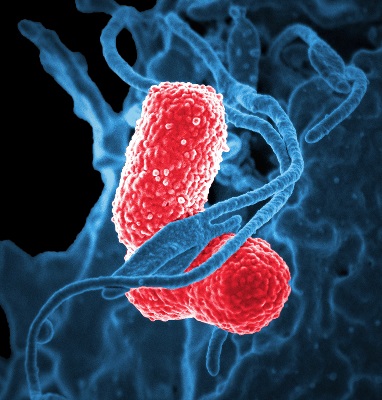
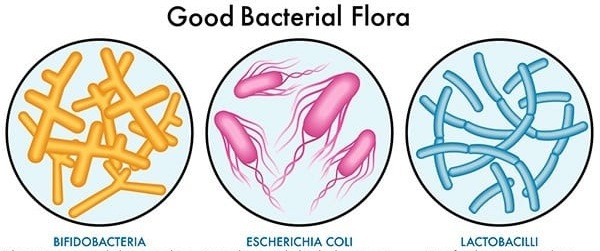
- Bacteria. Single celled
- Archaea (Not considered pathogens or parasites)
Eukaryote microorganisms (Organisms whose cells contain a nucleus and other structures (organelles) such as the Golgi apparatus and mitochondria enclosed within membranes)
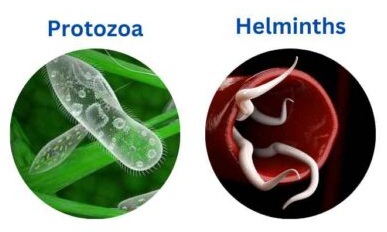
- Protozoa (a type of parasite) e.g. Giarda lamblia, Amoeba proteus, Cryptosporidium spp., helminths
- Fungi. e.g. Candida Albicans, Saccharomyces cerevisiae (baker’s yeast)
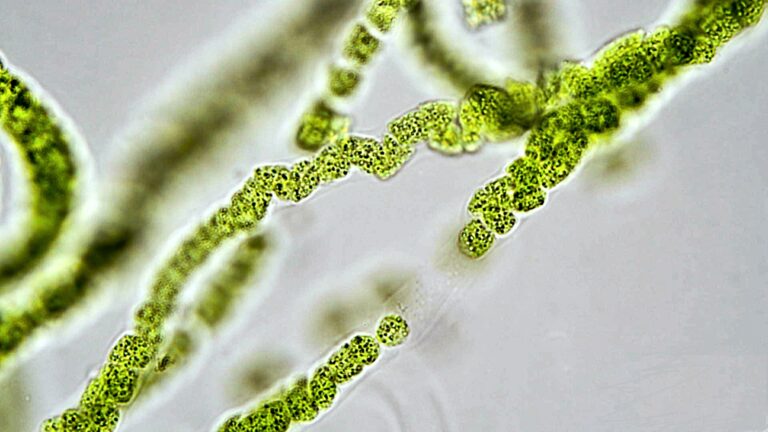
- Microscopic plants (seaweed / green algae) contain chlorophyll, enabling them to make their own food from light and carbon dioxide, e.g. chlorella, spirulina;
- Micro-animals e.g. dust and spider mites, rotifers, planarians

Microbes perform many essential functions
Decomposers
Fix Nitrogen – separate the nitrogen atoms in nitrogen gas, making them available for many life essential processes (E.g. in DNA and proteins)
Fermentation
- Convert sugars into alcohol in beer/wine
- Convert sugar into lactic acid – for food preservation (sauerkraut, yogurt), leavening (produces Carbon dioxide) or food pickling (producing acetic acid), or eliminating antinutrients
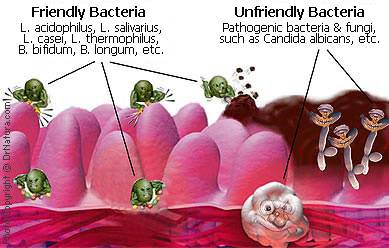
Natural body flora – keeps pathogenic microbes in balance
Biotechnology / Medicine – E.g. antibiotics
Some microorganisms can cause pathogenic disease
Pathogens
Pathogenic disease occurs when a germ / infectious agent, called a pathogen (i.e. Pathogenic Bacteria, Virus, Fungi / Yeast or protozoa) causes disease or illness to its host.
Some bacteria which are a normal part of the body’s flora, can become pathogenic:
- If their numbers get out of control
- Or they move to and multiply in an area where they are not supposed to be.
Pathogens can infect the body by various transmission routes. Affected by the widely varying length of survival of the microorganism outside of the body:
- Droplet contact – coughing or sneezing on another person
- Direct physical contact – touching an infected person, including sexual contact
- Indirect contact – usually by touching contaminated soil or a contaminated surface
- Airborne transmission – if the microorganism can remain in the air for long periods
- Fecal-oral transmission – usually from contaminated food or water sources
- Vector borne transmission – carried by insects or other animals
More on the role of microbes in disease:
Viruses
Fungi
Protozoa
Parasites
Parasites live on or inside a host. They survive and reproduce by eating the host’s food, often with harmful, but not usually fatal consequences. They are classified into 3 main groups (Only protozoa are microorganisms):
- Protozoa (microscopic) – e.g. Entamoeba histolytica (causes dysentery), plasmodium (causes malaria), Giardia duodenalis (common cauause of diarrhea)
- Helminths – e.g. tapeworms, flukes, hookworms, roundworms
- Ectoparasites – e.g. fleas, ticks, lice. that attach or burrow into skin. Can carry bacteria and viruses.