

Raw Honey - Natural Antibiotic
Hey honey!
- Honey is a sweet food made by bees using nectar collected from flowers – the type of honey consumed by people is made by honeybees (Apis genus).
- Used as a sweetener in foods and drinks – has a distinctive flavor. 1 teaspoon of honey contains 22 calories.
- Honey can contain dormant bacterial endospores of Clostridium botulinum, which can be harmful to infants < 1 year old – since the spores can transform into toxin-producing bacteria in an infant’s immature GI tract
- Honey should be used in moderation to prevent its sugar content elevating INSULIN levels -possibly causing:
Overweight, High blood pressure, High blood cholesterol, Diabetes
- There is 4 g fructose / teaspoon. It is advisable to limit overall daily fructose intake to ~ 25g – another reason to consume honey in moderation
Typical raw honey is :
- 79.4% natural sugar (Fructose (38.2%), Dextrose / Glucose (31.3%, Maltose (7.1%), Sucrose (1.3%), Other sugars (1.5%) );
- 17% water;
Other constituents include:
- Minerals – E.g. magnesium, potassium, calcium, sodium, chlorine, sulphur, phosphate and trace minerals copper, iron, chromium, manganese, selenium.
- Vitamins – depending on the quality of the nectar and pollen: B1, B2, C, B6, B5 and B3.
- Pollen – rich in antioxidants, protein and enzymes
- Flavonoid antioxidants – can neutralize oxygen radicals: Pinocembrin (possibly unique to honey) and Pinostrobin (supports enzyme activity)

RAW honey has antibiotic and anti-inflammatory properties
Honey was a conventional therapy for infection up until the early 20th century when penicillin became the mainstream choice
Only RAW honey is useful for medicinal purposes
- Refined / heat-processed, domestic “Grade A” honey may actually increase infection;
- Excessive heat-processing destroys natural enzymes and vitamins
- Filtering removes phytonutrients. Such as pollen and propolis
RAW honey is an antibiotic
Raw honey has several antibiotic properties
- Osmolarity of sugar in honey. This alone prevents microbial growth
- Honey has a low water activity (aw) of ~0.6, which prevents growth of most microorganisms (bacteria with aw > 0.9, or fungi with aw at least 0.7). Higher aw substances tend to support more microorganisms. Water migrates from areas of high wa to low wa. So honey exposed to humid air (aw ~0.7) absorbs its water. Salami (aw ~0.87) exposed to dry air (aw ~ 0.5) dries out the salami. Wikipedia
- Most of the water molecules in honey are associated with the sugars, leaving few available for microorganisms and making a poor environment for microbial growth. However, if water is mixed with honey it loses this antimicrobial growth property. (Lansing, 1999)
Acidity of honey. Honey has a relatively acidic pH usually 3.2 – 4.5 which prevents the growth of many bacteria. Honey as an Antimicrobial Agent
In wounds, slow release of hydrogen peroxide (catalyzed by the enzyme glucose oxidase present in honey). Glucose oxidase is only activated when acidity of honey is diluted by body fluids in the presence of oxygen and can be destroyed by the protein-digesting enzymes present in wound fluids and when honey is exposed to heat and light. Waikato Honey Research
C6H126 (glucose) + H2O + O2 → C6H12O7 + H2O2 (glucose oxidase reaction)
Antibacterial activity in Manuka honey is more powerful than other raw honeys.
- Made by bees from pollen gathered from flowers of the manuka bush in New Zealand;
- Higher antibacterial activity of manuka honey is due to its much higher levels of methylglyoxal (MGO) plus an unidentified synergistic component called Unique Manuka Factor (UMF).Each batch has varying amounts of UMF, with higher concentrations increasing thickness, shade of darkness and price. The presence of the synergist UMF in manuka honey more than doubles MGO antibacterial activity. Waikato Honey Research; Kwakman, 2011)
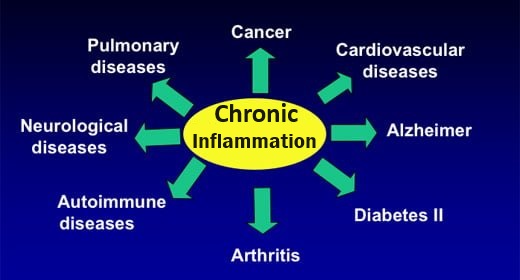
RAW honey is anti-inflammatory
Honey chelates and deactivates free iron, averting radical formation with consequential inflammation. Iron is otherwise able to catalyse the formation of oxygen radicals from hydrogen peroxide, leading to inflammation
Flavonoid antioxidant constituents in honey can neutralize, inflammatory oxygen radicals
- Pinocembrin (possibly unique to honey)
- Pinostrobin. Supports enzyme acitivity Honey as a topical antibacterial agent for treatment of infected wounds
Raw honey health benefits
Eating raw honey can help in situations where it is not overly diluted (or it is very potent, such as Manuka honey) to fight:
- Diarrhea, gastritis, enteritis (sometimes used in an electrolyte solution)
- Insomnia
- Gingivitis
- Ophthalmological infections
- Bronchial infections, coughs and sore throats – in particular, honey is used together with instant coffee as avery effective cure for persistent, post-infective cough (PPC)
Honey / Coffee Cure for Persistent post-infective cough
Topical application in wound care. E.g. For a wound or herpes outbreak to cut infection
Draws fluid away from a wound
High sugar content suppresses microorganism growth via osmolarity -however, high exudate from a wound dilutes the sugar and stops this effect
Worker bees secrete an enzyme (glucose oxidase) into the nectar, which slowly catalyzes the production of low levels of antiseptic hydrogen peroxide when the honey makes contact with wound -occurring as the body fluids dilute the acidity of honey; reaction also requires oxygen and therefore may not occur under dressings or in wound cavities
Manuka honey sports additional healing benefits – Clinical trials determined that Manuka honey can eradicate > 250 bacterial strains – including resistant varieties such as:
- MRSA (methicillin resistant Staphylococcus aureus)
- MSSA (methicillin sensitive Staphylococcus aureus)
- VRE (vancomycin-resistant enterococci)
- Helicobacter Pylori (a root cause of stomach ulcers)
GreenMedInfo.com lists numerous clinical studies of Manuka honey’s effectiveness several diseases / conditions – including:
- Wound healing
- Bacterial infections – including MRSA and H. Pylori
- Leg Ulcer
- Dental Caries and Plaque/ Periodontal Infection and Gingivitis
- Ulcerative colitis and Inflammatory Bowel Disease
References
Honey as an Antimicrobial Agent. Waikato Honey Research Unit. November 16, 2006.
Kwakman PHS, te Velde AA, de Boer L, Vandenbroucke-Grauls CMJE, Zaat SAJ (2011). “Two major medicinal honeys have different mechanisms of bactericidal activity”. PLoS ONE pdf PubMed
Lansing Prescott, John P. Harley, Donald A. Klein (1999) Microbiology. Boston: WCB/McGraw-Hill.ISBN0-697-35439-3.
“Waikato Honey Research Unit:What’s special about Active Manuka Honey?”. The University of Waikato. Retrieved 05-02-2011.
Honey as a topical antibacterial agent for treatment of infected wounds
“Health Benefits Of Honey”. Bees-Online:An Educational web site about Honeybees and Beekeping.