

Attend to diet, lifestyle & emotional state:

Nutrition  

Exercise

 Water

Sun

Thoughts  

     Air

Rest

Trust

Sex

Leaf logo

Health Happening    

‘No-brainers’ 💡 for Physical / Mental Health: Magnesium, Omega-3 , C, D, Iodine in “Make-it-Happen” smoothie
Red apple clipart

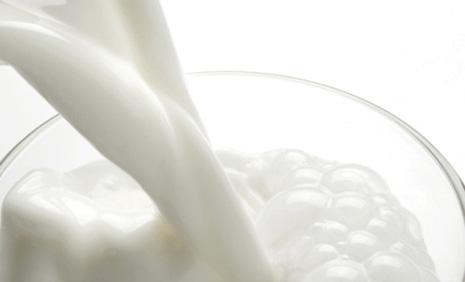
Dairy - "Got Good Milk?"

"He brought us to this place and gave us this land, a land flowing with MILK and honey" - Deut 26:9

Overview

Milk regulations

Grade A milk is produced under specific sanitary conditions both on the dairy farm and in the dairy plant. These conditions are established and regulated by the Food and Drug Administration (FDA).  All fluid milk sold for human consumption in the U.S. is Grade A.  Grade B milk, which does not meet these standards, is regulated by the U.S. Department of Agriculture (USDA), and can be used in products such as cheese, butter, and non- fat dry milk.

Main considerations when buying milk and milk products

ChoicesComments
(1) Raw or Processed?Raw (Unprocessed), pasteurized (low-heat, HTST, Ultrapasteurized),  homogenized, high or low fat?      Choices of pasteurized milk
(2) Organic or not?Animals’ food should be non-GMO and uncontaminated by pesticides or herbicides;
Animals should not be routinely treated to increase milk production with antibiotics or synthetic hormones (E.g. rBGH );
NON-organic butter is particularly high in pesticides – because it is highly concentrated milk.
How to avoid Genetically Modified Foods
(3) From grass (or hay)-fed or grain-fed animals?Choose dairy products from cows / goats / sheep or buffalo which are mainly fed grass or hay, not grain
(4) Whole, Low-fat, skimmedChoose whole milk with its inherently natural fat content
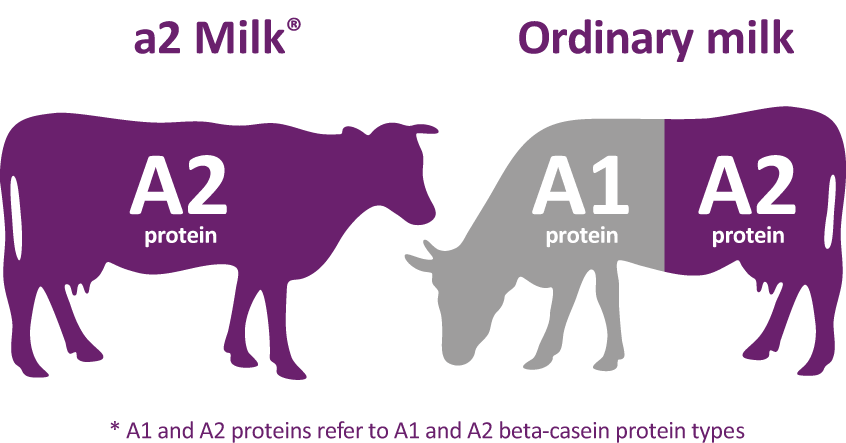
(5) From A1 or A2 beta-casein milk-producing animals?Some people have serious inflammatory problems consuming milk from cows that produce A1 beta-casein in their milk (mainly Holstein-Fresians cows, 90% of U.S. milk) and should drink A2-betacasein milk from most Jersey/Guernsey cows, goats or buffalo. Milk – A1 vs. A2 beta-casein

Good choices for health-giving milk

Choose raw milk over pasturized if you can find it

The Best Choice is Whole, RAW Milk (or its products) from animals eating ORGANICALLY-grown GRASS, not given synthetic growth hormones or regular antibiotic treatments to increase milk production

Raw milk is the natural form of milk retaining inherent protective mechanisms against pathogens. Provided the farm and delivery methods are monitored for sanitary practices there is no reason to further process milk other than to extend its shelf life.

Is raw milk safe?

Locate a raw milk source near you at Campaign for Real Milk.

Alternatively, use a low-heat processed pasteurized milk source (ideally organic, grass-fed and non-homogenized)

Pasteurization methods

Raw cheeses are sold in some U.S. stores –  but you have to look for them (many are imported E.g. French Comte cheese is currently sold at Costco’s (11/2018)

Choose dairy products from grass-fed cows

Grass fed cows produce milk that is nutritionally superior to grain-fed cows:

  • Contains an impressive amino acid and immuno-supportive nutrient profile;
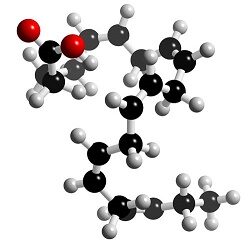
  • Rich in healthy fats lipolic acid and CLA (conjugated linoleic acid). Grassfed dairy products contain nearly 6 times more CLA than non-grassfed.

What does “Grass-fed” mean?  Only that the cows have had SOME grass or hay and not necessarily that they have been outside or grazing. Milk companies usually disclose on their website how many days / year their milk-producing cows were grazing on pasture.  Labeling is overseen by the FDA and currently (2022) is not very definitve regarding terms used. The American Grassfed Association (AGA) came up with a more informative, labeling standard for sellers of grassfed milk in December 2017, but still in voluntary use, since the FDA are slow to fix the labeling abuse.

Brands of ORGANIC Milk claiming to be pasture-raised or grassfed:

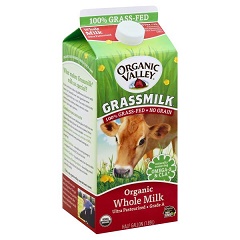
  • ORGANIC VALLEY® Organic “GRASSMILK”.   Cows have been 100% GRASS-FED (which can include organic pasture or hay, and a small amount of nutritional molasses, but NO GRAIN). From their website organicvalley.coop: “Pasture-raised dairy is a philosophy of farming practiced on all Organic Valley dairy farms, based on the core principle that cows should spend as much time outside as possible. This means farmers give their cows access to pasture every day they can during their grazing season, which is region- and weather-dependent but ranges from 120 days (the National Organic Program minimum) to 200 days a year. The only exceptions are during bad weather, excessive heat, or if a cow is breeding or not feeling well.”  On the down-side, this milk is ultra-pasteurized and relatively expensive.
  • ORGANIC VALLEY® Organic “Pasture-Raised”. Cows have received an average 55% fresh organic pasture grasses – eaten outdoors, plus organic dried forages and a small amount of grains. Cows spend an average 191 days / year (minimum 120 days) on pasture.
  • HORIZON® Organic ” Grassfed”.  Graze on organic pasture for at least 150 days / year. The rest of the year they eat organic dried forages, grain and feed.
  • Horizon® Organic.  Graze on organic pasture for at least 120 days / year. The rest of the year they eat organic dried forages, grain and feed.
  • Aurora® Organic. At least 30% of cow feed is from organic pasture during grazing
  • Natural by Nature® Organic GRASS-BASED.  7 of their farms are 100% grassfed, but the others feed some grain. Their suppliers are required to make pasture the main source of the cows’diet.

Choose dairy products from rBGH-free cows

rBGH (Recombinant Bovine Growth Hormone) is injected into dairy cows to artificially force a >10% increase in milk production.   rBGH, also called rBST (Recombinant Bovine SomatoTropin), sold as Posilac® (Monsanto sold this product to the pharmaceutical giant Eli Lilly in 2008) is a synthetic, genetically modifed version of natural BGH / BST (a growth hormone, primarily released by a cow’s pituitary gland; BGH regulates somatic growth and influences a cow’s milk production). Cows treated with Posilac can produce an average of 10 more pounds of milk per day!

  • rBGH causes health problems / pain in cows.   The E.U. Scientific Committee on Animal Health and Animal Welfare stated that rBST used in dairy cows produces reproductive disorders and substantially increases foot problems, mastitis and injection site reactions, painful and debilitating to the cows.
  •  rBGH is significantly correlated with increased cancer risk.    rBGH milk contains higher levels of PUS, bacteria, and antibiotics, and substantially higher amounts of a potent cancer tumor promoter, called IGF-1.

The sale of Posilac® (rBGH) is illegal in virtually every developed country, except the U.S.!

Milk - A1 vs. A2 beta-casein?

Milk proteins.  Milk contains 3.3.% protein, of which there are 2 main types in milk:

  • Whey protein.   ~20% of cow’s milk protein;
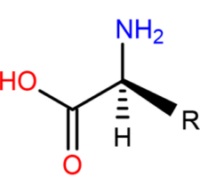
  • Casein.  ~80% of cow’s milk protein, of which the major casein protein is beta-casein (30% of total milk protein) – a chain of 209 amino acids which has 2 major genetic variants: A1 and A2 beta-casein;  In most commercially available milk containing A1 or A1/A2 β-CN variants, the β-casomorphin-7 peptide (BCM-7) is released upon digestion and during cheese manufacturing / ripening, while this does not happen with A2 milk. 

A1 or A2 milk producing cows?  Today there are  two genetically different milk producing cows. All cows used to produce milk with only A2 beta-casein, but a naturally-occurring genetic mutation in European cows 5,000-10,000 years ago introduced cows that now produce milk that has A1 beta-casein, in addition to A2 beta-casein. Cows that produce A1 beta-casein now provide most of the milk we consume, including infant formula, which is associated with significant inflammatory health problems in some babies.

What’s the difference between A1 and A2 beta-casein?

  • Glad you asked 😁 There is a proline in A2 beta-casein and a histidine in A1 beta-casein at position #67 chain of amino acids
  • A1 beta-casein is mostly found in milk  from Holstein cows (called Holsteins in U.S. or Friesians in the UK) and Ayrshire cows. 
  • A2 beta-casein, but not A1, is found in most milk from Jersey and Guernsey cows. Also, goats, water buffalo, sheep and humans produce A2 beta-casein milk.

Casein content is negligible in the highest fat dairy products.   E.g butter (80:1 ratio of fat to protein), heavy cream, high-fat cheeses (E.g. parmesan, ricotta; also, the chese-making process may deacivate the “milk gremlin” – see below), or full-fat sour cream and full-fat cream cheese, which can be healthily consumed in moderation;

Health Problems associated with bovine A1 casein in milk from Holstein (Fresian in UK) cows

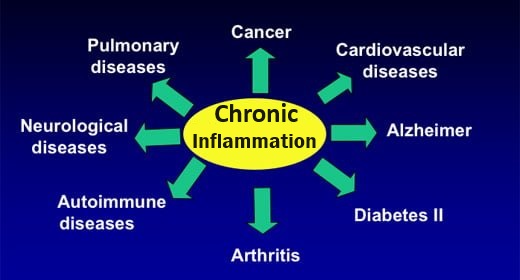
Bovine A1 milk  contains a “Milk Gremlin”(potentially inflammatory BCM-7).  Digestive enzymes in the gut break down A1 beta-casein in milk and release high levels of a potentially inflammation-causing peptide, called beta-casomorphin-7 (BCM-7).  González-Rodríguez (2025)

  • BCM-7 is a strong opioid: This morphine-related, bioactive opioid peptide stimulates a significant release of histamine and other inflammatory cytokines in some people, which can lead to several problems. A2 beta-casein does not release BCM-7.
  • BCM-7 is a strong oxidant: the stability of BCM-7 combined with the tyrosine molecule at the end of BCM-7 make it a strong oxidant. In vitro BCM-7 shown to oxidize LDL cholesterol, a forerunner to atherosclerosis and ischaemic heart diseaseSteinerova et al(2004); Torreilles & Guerin (1995)
  • BCM-7 doesn’t affect everyone.

The inflammation from BCM-7 occurs in those people who:

  • Lack the digestive enzyme (called DPP-4) to deactivate BCM-7;
  • And possibly have a “leaky” gut.   An intestinal permeability which allows the large BCM-7 molecule to enter the bloodstream and cause inflammation in different areas of the body. This is a condition which is likely to involve an insufficiency of intestinal probiotic bacteria. BCM-7 in the urine is strongly associated with symptoms of autism.  Cade et al (1999) . 

If you had chronic tonsillitus, ear and/or chest infections as a child, you may well have inflammatory issues when drinking A1 casein milk.  An easy way to test for this possibility is to eliminate A1 casein milk from your diet for 3 months and see if your problems improve.

Conditions associated with consumption of A1 casein in bovine milk

  • Painful or heavy periods
  • Intestinal inflammation/discomfort PubMed
  • Endometriosis.    Lara Briden, naturopathic doctor and author of “Period Repair Manual”, states that she has not seen one case that did not improve by avoiding A1 milk
  • Fibroids
  • Acne, eczema
  • PMS
  • Autoimmune disease
  • Autism / schizophrenia.  BCM-7 in the brain exhibits autistic / schizophrenic behaviors. BCM-7 was injected into rats where it was found that BCM-7 in the bloodstream readily passes the blood brain barrier and attaches to opioid receptors. The rats exhibited behavioral tendencies similar to autism and schizophrenia, which could be reversed with a morphine antagonist (naloxone).   Kost et al (2009); Cieslinska et al (2015)
  • Upper respiratory infection.   E.g. asthma,
  • Allergies
  • Type 1 Diabetes / Blood sugar issues.   BCM-7 can attach to pancreatic cells and cause autoimmune damage to the pancreas.

Differences between human and bovine BCM-7 in infants

  • Human breast milk contains only A2 beta-casein, and no A1 beta-casein.   However, A1 beta-casein may be passed into breast milk from the mother’s consumption of A1 milk.  Some BCM-7 is likely released in the gut during digestion of human milk
  • Overall opioid effect of human milk is about one thousandth the potential potency of A1 cows mik.   Human BCM-7 has a quite different biochemical structure to BCM-7 in bovine milk, its opioid properties are about 10 times weaker, and BCM-7 is released in quantities < 1% of that released from bovine milk.
  • “Elevated circulating human BCM-7 has been correlated with beneficial developmental outcomes in breastfed infants, while the opposite has been observed in their formula fed counterparts with elevated bovine BCM-7 levels”  Kost (2009), A2Milk (2016)
  • Bovine milk beta-casomorphins shown to have at least ten times more opioid activity than human beta-casomorphins Brantl (1984), Koch (1985),   Herrera (1989)
  • BCM-7 is found in the blood of infants fed high-casein infant formulas. 
  • Higher blood levels of bovine BCM-7 found in some infants was correlated with delays in psychomotor development.   Some babies can rapidly remove BCM-7 from their systems, others retain it in their bloodstream Kost (2009)
  • Blood BCM-7 levels in “at risk” apnea infants were on average three times higher compared with normal infants – also, “At risk” infants have low blood levels of DPP-4, the enzyme that metabolises BCM-7- In the “at risk” infants, DPP-4 levels were 58% of those found in healthy babies. Conversely, BCM-7 was positively associated with DPP-4 levels in the normal infants (which leads to faster BCM-7 elimination). Wasilewska (2011)
  • Bovine BCM-7 is found in the blood of breast-fed 1-4 month old babies – researchers suggest that bovine BCM-7 from milk ingested by lactating mothers can be transferred directly to the mothers’milk.  A2Milk (2016),  Kost et al (2009)

Prefer WHOLE Milk to the tasteless, low-fat or skim milk

Fat-reduced Milk

  • The fat in whole milk is needed to help body digest / absorb its nutrients.   Aids calcium absorption and the digestion of milk’s protein and lactose (sugar). The higher the butterfat content, the lower the lactose content.
  • The natural vitamin A is also removed with the milk fat.   A chemically synthesized form of vitamin A (retinyl palmitate) is added back in.
  • Dried milk (containing oxidized cholesterol) is usually added to the low fat, 1% and 2% milks.   A poor attempt to improve their taste.

Skim Milk

  • Skim milk contains more calcium than whole milk.  Calcium is found in the water content of the milk and not in the butterfat. Since there is little butterfat in skim milk, a cup of skim milk therefore contains more calcium than a cup of whole milk, however . . .
“Here’s the rub” – the calcium is not as well utilized without its fat component

Other "moo-velous" milk-related information

Cultured / Fermented milk products.   Skimmed or partially skimmed milk is soured by introducing a culture of lactic acid-producing bacteria and/or yeast. Dating back to around 10,000 B.C., this process extends the short “shelf-life” of milk, adds nutrients, especially probiotics, and enhances digestibility. In addition to cow and goat milk, non-dairy milks can also be cultured, including coconut, soy, and almond milk.

  • Yogurt.   Primarily cultured from cow’s milk, and by definition must contain Lactobacillus bulgaricus and Streptococcus thermophilus
  • Kefir.   Described as “drinkable yogurt”, it is made by introducing so-called kefir grains (small, spongy, symbiotic colonies of ~20% beneficial yeast and ~80% bacteria) into milk. Kefir has a high probiotic content (E.g. 10-20 billion CFU / 8 oz in Lifeway brand, but has high sugar content);
  • Buttermilk / clabbered milk.    Traditional buttermilk is the liquid left after churning butter or is the result of leaving fresh, unrefrigerated milk to be fermented naturally by its inherent wild-bacteria (called clabbered milk). Today buttermilk is typically cultured milk. Buttermilk tastes tart and is thicker than plain milk. Its acidity is utilized to make soda bread and marinate/tenderize meat. Naturally contains some probiotics.

How to obtain probiotics

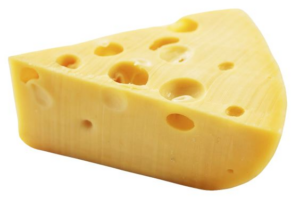
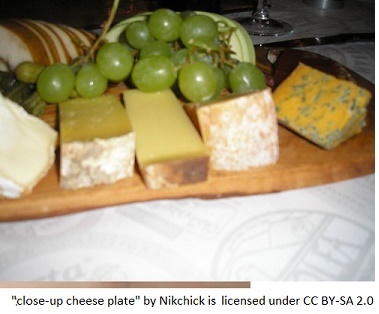
Cheese.  To have probiotic benefits, cheese must be AGED or made from RAW (unpasteurized) milk. A variety of over 2,000 hard and soft cheese are made using different levels and steps in the fermentation process, often named by their original place of production. Best choice is naturally fermented cheese (E.g. made by simply straining the moisture from sour cream or yogurt).

  • Raw milk cheese is still made in France, England, Switzerland and Greece from whole milk from pasture-fed cows. Look for words “milk” or “fresh milk” rather than “pasteurized milk” on the label.
  • Some probiotic-rich cheeses include: Cheddar, provolone, Edam, feta, Gouda, cream cheese, blue,  Gruyere, Wensleydale, and goat.

Sour Cream / Craime fraiche.  Cream soured with a bacterial culture. Compared to sour cream, craime fraîche is less tangy and has a higher fat content  (30% compared to 20% – curdles less in simmering soups or sauces) and being naturally thick, it does not contain added thickeners.

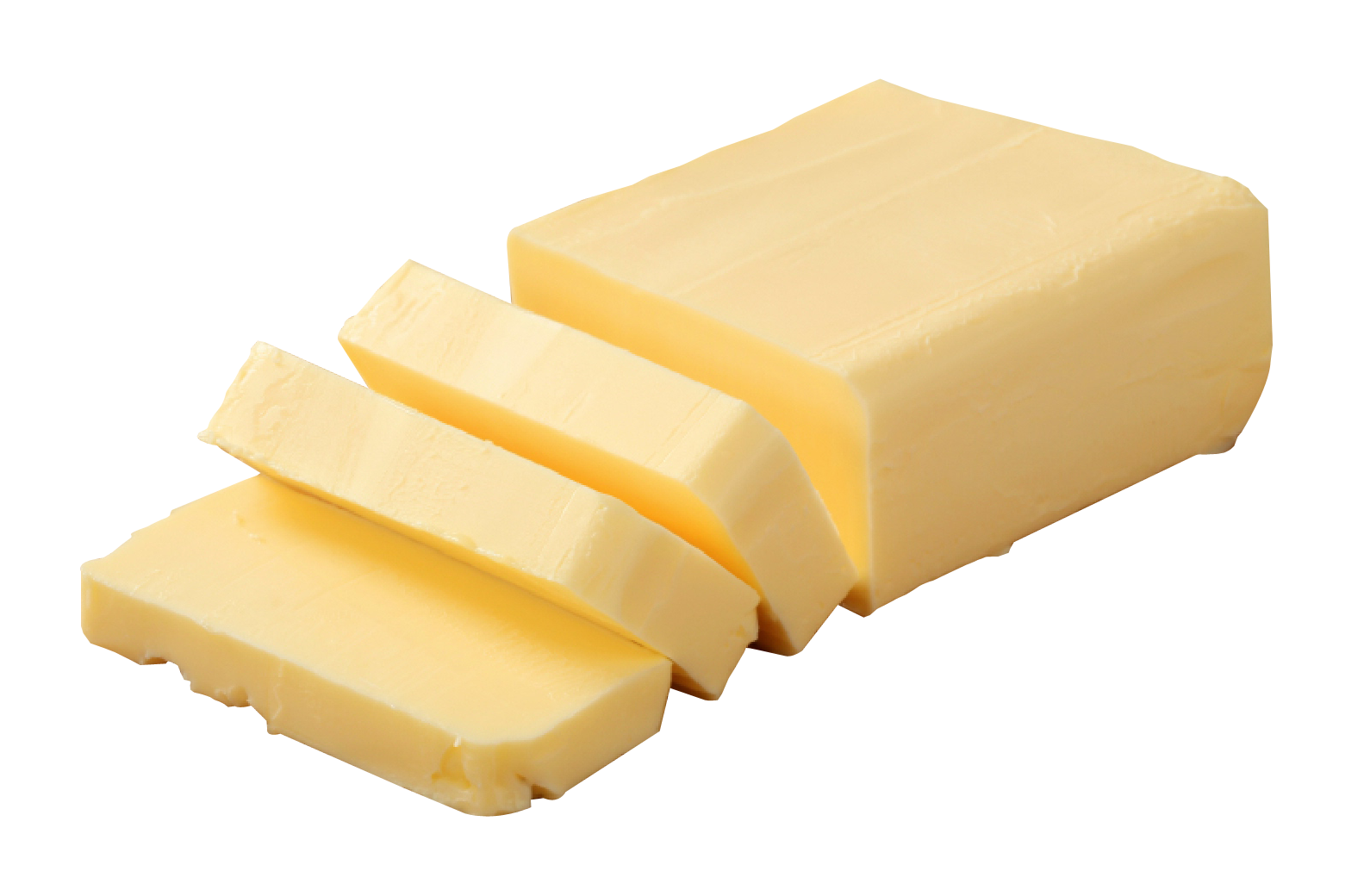
Butter.  Churned from cream; raw is preferred, otherwise choose organic butter from cows fed fast-growing grass. E.g. from Ireland (Kerrygold®), Denmark (Lurpak®) or New Zealand (Anchor®):

Cream.  Raw is preferred, otherwise pasteurized (e.g. Butterworks®). Add cream liberally to soups, drinks, desserts to enhance body’s utilization of water-soluble vitamins;

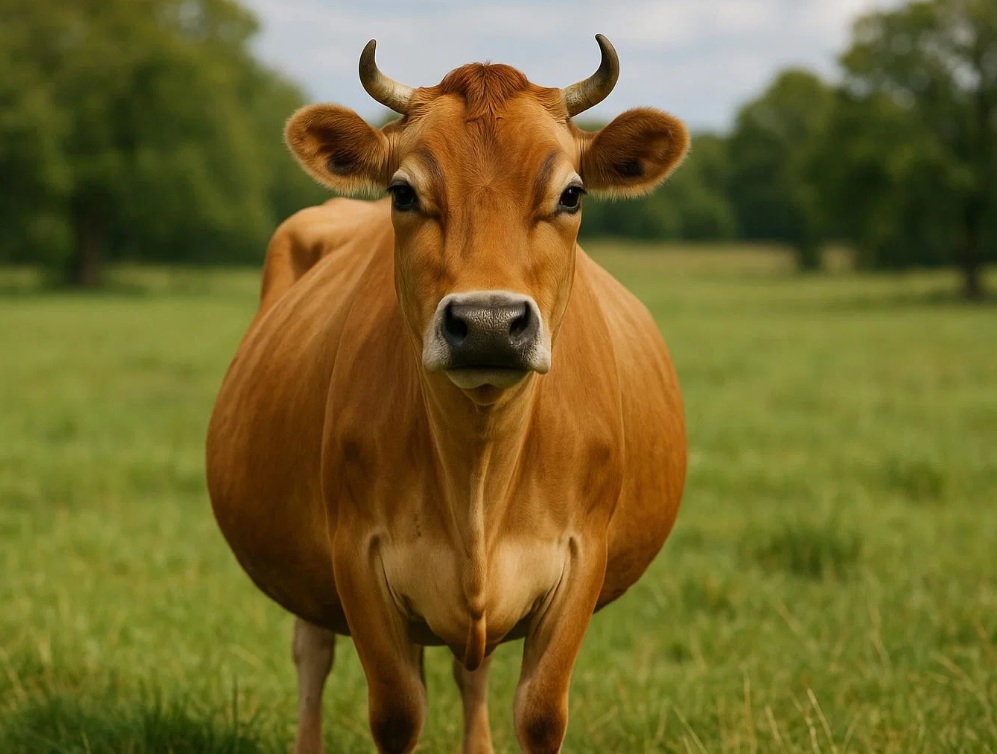
  • Creamiest Milk.   Guernsey and Jersey cow milk is the creamiest and these breeds produce milk without inflammatory A1 beta-casein.

Add sulfurated protein (E.g. cottage cheese, ricotta, yogurt) to fresh flax seed oil.   Sulfurated protein mixed with flax oil makes the oil water-soluble and enhances utilization of its Omega-3 fat content.  Choose Full or Low-fat (not no-fat) Cottage Cheese, Ricotta Cheese or Yogurt (Plain,without added sugar, with active cultures)

Dried Milk – “A recipe for heart disease”.    Dried milk contains artery-damaging oxidized (i.e. damaged) cholesterol. It is an ingredient in many products, such as low-fat cheese, cake mixes, cocoa mixes, candy bars, some baked goods.

Dried milk is sometimes added to low fat, 1% and 2% milk to improve flavor

Freezing Milk does not affect its nutritional value short-term.   It does affect its consistency.

Use milk within 2 days once opened.   Once opened, bacteria accumulate quickly in plastic bottles, so drink the entire bottle within a day or two.

Ghee keeps without refrigeration AND has less pesticides
Made by gently heating butter to cause the water to boil off and the protein milk solids to settle to the bottom. The cooked and clarified butter fat is then strained from the milk solids.
DIRECTIONS:

(1) Use 1/2-1 pound of unsalted butter
(2) Simmer on low for a minimum of 20 minutes, allowing the water to evaporate and the fat to separate.
(3) Allow unsalted butter to cool for 5-30 minutes.
(4) Strain mixture through cheese cloth, or a mesh screen.
(5) Place strained butter (ghee) in a glass jar.

References

A1 / A2 casein related studies:

A2Milk (2016) Beta-casomorphin-7 and infants  Link

Brantl V (1984). Novel opioid peptides derived from human beta-casein: human beta-casomorphins. Eur J Pharmacol. 106(1), 213-4.

Cade et al (1999) UF Researchers Cite Possible Link Between Autism, Schizophrenia And Diet, UF News Journal,  University of Florida.  Link

Cieslinska et al, Influence of candidate polymorphisms on the dipeptidyl peptidase IV and μ-opioid receptor genes expression in aspect of the β-casomorphin-7 modulation functions in autism. Peptides (Mar 2005) 65:6-11 PubMed

González-Rodríguez, N.; Vázquez-Liz, N.; Rodríguez-Sampedro, A.; Regal, P.; Fente, C.; Lamas, A. The Impact of A1- and A2 β-Casein on Health Outcomes: A Comprehensive Review of Evidence from Human Studies. Appl. Sci. 2025,  15, 7278. https://doi.org/10.3390/app15137278

Herrera-Marschitz M, Terenius L, Grehn L, Ungerstedt U (1989). Rotational behaviour produced by intranigral injections of bovine and human betacasomorphins in rats. Psychopharmacology. 99(3), 357-61.

Koch G, Wiedemann K, Teschemacher H (1985). Opioid activities of human beta-casomorphins. Naunyn Schmiedebergs Arch Pharmacol. 331(4), 351-4.

Kost N.V, Sokolov O.Y, Kurasova O.B, et al. (2009). Beta-casomorphins-7 in infants on different type of feeding and different levels of psychomotor development. Peptides. 30(10), 1854-60. Link

Steinerova A, et al (2004) Letter to the Editor: Significant increase in antibodies against oxidized LDL particles (IgoxLDL) in three-month old infants who received milk formulae. Atherosclerosis 173(1):147-148)

Sun, Cade (1999)

Electrotherapy

The Medical Kit of the Future

  • Detoxifies
  • Boosts immune system / cellular energy
  • Anti-inflammatory / Pain-relief
  • Aids sleep / Reduces stress
  • Accelerates healing of tissue, bone, muscles, scars
  • Improves circulation +++

Successful electrotherapies

Dairy-related