

Postnasal Drip (renamed Upper airway cough syndrome (UACS))
What is postnasal drip?
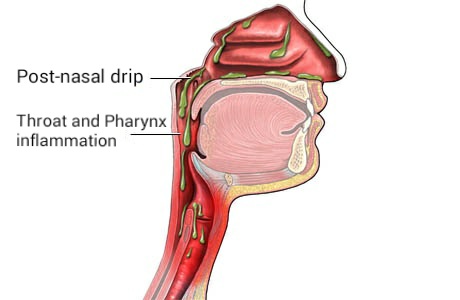
One of the most common causes of a cough, postnasal drip is an accumulation or thickening of the mucus. This occurs due to a mucus production over the normal daily amount of 1-2 quarts or an inability to clear produced mucus, which gives one the sensation of dripping down the back of the throat with its inherent irritations.
Mucus glands in the nose and throat produce mucus to:
- Keep the nasal membranes moist and clean
- Trap and clear inhaled foreign matter
- Humidify inhaled air
- Fight infection
Usually – thin mucus is swallowed unconsciously. However, when mucus thickens, it causes irritation and swallowing problems.

Symptoms of postnasal drip
Postnasal drip symptoms are similar to that of a cold or sinus congestion:
- Bad breath
- Mucus in the back of the throat
- Itching, tingling, or sore throat
- Coughing
- Nasal congestion
- A runny nose
- Sinus congestion
- The sensation that something is dripping or accumulating in the back of your throat
- The ability to feel the mucus at the top of the throat when you swallow
- Feeling nauseous (can come from too much mucus in the stomach)
- Can cause painful /irritating ear infection when the mucus clogs up the tube that connects the middle ear to the back of the nose (Eustachian tube)
Possible causes of Postnasal Drip | |
Infection /Disease /Condition /Factor | Comment |
| Allergic Rhinitis (Hay fever / Indoor allergies) | Common chronic respiratory condition and most likely cause of post nasal drip. Not an infection, the immune system overreacts to air-borne allergens to expel the allergen (sneezing, watery/itchy eyes, and runny nose) and to prevent more of the allergen from entering the body (increase mucus production and swelling of the nasal passages). Typical allergens include: Hay fever (pollens), Mold spores, dust mite/cockroach debris, pet dander, mildew, foods, medicines, insect venom; |
| Runny Nose (Rhinitis) | Can be caused from infections, low humidity or by airborne irritations. |
| Cold | An upper respiratory viral infection that includes the nose and throat. |
| Sinus Infection(Sinusitis) | Infection/inflammation of the air-filled spaces that are in the bones in and around the nose. |
| Streptococcus Infection | Group A streptococcus causes a variety of streptococcal infections including acute pharyngitis, impetigo, toxic shock syndrome, invasive fasciitis, pyoderma, scarlet fever, and pneumonia. |
| Adenoiditis | Inflammation of the adenoids caused from a viral/bacterial infection and allergies. |
| GERD (Reflux)/Heartburn | Muscles around the lower esophageal sphincter, the entrance to the stomach, become relaxed and prevent involuntary swallowing of mucus. |
| Deviated Septum/ enlarged turbinates or adenoids | A deviated nasal septum is not in the normal position. |
| Nasal polyp | A polyp that is found in the nasal passage. |
| Rhinitis | Inflammation of nasal lining that leads to a runny or blocked passage. |
| Nasal congestion | |
| Rhinitis Medicamentosa | Inflammation of nasal mucous membranes secondary to excessive or improper topical medication |
| Nasal congestion | Congestion of the nasal passages. |
| Nasal swelling | Swelling of nasal passages |
| Inhaled irritants | Pollen, smoke, dust mites, chemicals, pet dander are the most common causes of post nasal drip, promoting an allergic reaction and the release of histamine, which causes inflammation and mucus production, stopping the flow of cilia. |
| Low humidity | |
| Type A Personalities | Type A’s naturally produce copious amounts of mucus – further increased when they eat mucus-producing food (E.g. dairy) |
| Inability to clear the mucus buildup in the throat | Due to age, gastroesophageal reflux disease (GERD) and blockage in the throat. |
Treatment for postnasal drip
Treatment depends on what is causing postnasal drip. Whether by sinuses, the nasal passage or an allergic reaction. It may be necessary to see a physician to determine the cause. Treatment goal is to reduce mucus production and restore normal cilia function
- See Causes and address relevant cause.
- A deviated septum, enlarged turbinate or other structural abnormality in the sinuses / nose may require corrective surgery by an ENT specialist
- Address inflammation if mucus membranes are inflamed:
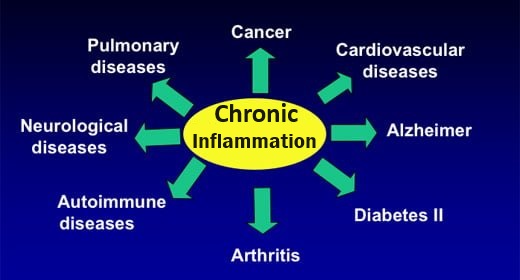
How to treat CHRONIC (long-term) inflammation
- Type A Personalities especially should try to avoid eating mucus-producing foods (E.g. dairy)
- Gargle with 1 cup of water mixed with ½ teaspoon salt. Helps relieve the irritation
- Drink plenty of water every day. Keeps your body and nasal passages hydrated. Sufficient water helps thin the mucus.
- Use a vaporizer (especially in the bedroom). Also, if infection is present, add Hydrogen peroxide, Grapefruit Seed Extract (GSE), or Ionic Colloidal Silver (ICS) to the water (an ultrasonic humidifer works best for dispersing these anti-microbial substances)
- If infection present, use a nebulizer containing natural antimicrobials. E.g. Iodine, Hydrogen peroxide, Grapefruit Seed Extract (GSE) (1 drop GSE in 1 oz saline water in nebulizer), Ionic Colloidal Silver (ICS), Magnesium Chloride, or Sodium bicarbonate
- Identify and avoid what triggers your allergy. E.g. If dust is the culprit, then keep your house clean and stay away from dusty places.
- Avoid smog and smoke. With their inherent nasal irritants. Second-hand smoke affects sinuses, throat and sinuses the same as for a smoker.
- Steam inhalation. Place boiling water in a small basin and inhale the steam to help thin the mucus and widen your nasal passages. Add a few drops of eucalyptus essential oil to reduce inflammation in the sinuses.