

Sjogrens syndrome treatments
Overview
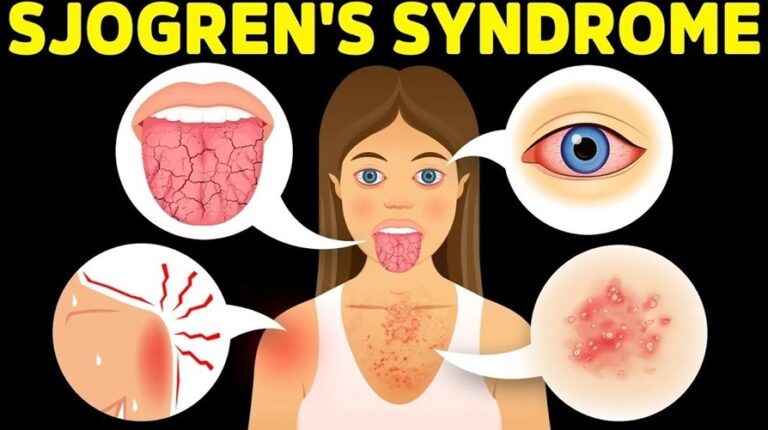
This autoimmune disorder has two main symptoms:
- Dry / itchy eyes
- Dry mouth
Decreased tears and saliva are the direct result of the overactivity of the immune system, which damages mucus membranes and moisture-secreting glands and causes their dysfunction. This may have been triggered by some kind of bacterial or viral infection. Other areas of the body may also be affected with associated symptoms including joint pain / swelling / stiffness, rashes, swollen salivary glands, vaginal dryness, dry cough and chronic fatigue.
Typically occurs in those over 40 and is more prevalent in women. Also, it is more common in those with other autoimmune diseases, such as rheumatoid arthritis or Lupus.
Gamma linolenic acid (GLA) is an effective treatment
GLA is an omega-6 fatty acid found to have beneficial effects for dry eye in multiple controlled trials. Macri et al, 2003; Kokke et al, 2008.
- GLA has been shown to increase tear production in Sjogren’s syndrome. GLA increases levels of PGE1, a potent anti-inflammatory eicosanoid present in tears, the lacrimal glands and the conjunctiva. Aragona et al, 2005
- For beneficial effect, it is necessary to supplement an appropriate balancing amount of omega-3 EPA concurrently with omega-6 GLA. GLA is the precursor to DGLA, which produces anti-inflammatory PGE1. The presence of EPA in cell membranes inhibits the Δ5d enzyme that would otherwise convert DGLA into AA into the predominately inflammatory Series 2 prostaglandins and thromboxane. Pilkington et al, 2014
How to obtain omega-6 GLA fatty acids
References
Aragona P, Bucolo C, Spinella R, et al. (2005) Systemic Omega-6 essential fatty acid treatment and PGE1 tear content in Sjogren’ssyndrome patients. Investigative Ophthalmology and Visual Science;46:4474- 4479.
Macri A, Giuffrida S, Amico V, Lester M, Traverso CE. (2003) Effect of linoleic acid and gamma-linolenic acid on tear production, tear clearance and on the ocular surface after photorefractive keratectomy.Graefes Arch Clin Exp Ophthalmol. 241:561-566.
Kokke KH, et al. (2008) Oral omega-6 essential fatty acid treatment in contact lens associated dry eye.”Contact Lens and Anterior Eye. 31:141-146.
Pilkington, S. M., Rhodes, L. E., Al-Aasswad, N. M., Massey, K. A., & Nicolaou, A. (2014). Impact of EPA ingestion on COX- and LOX-mediated eicosanoid synthesis in skin with and without a pro-inflammatory UVR challenge–report of a randomised controlled study in humans. Molecular nutrition & food research, 58(3), 580-590.