




The Rath-Pauling therapy - A simple way to prevent / cure CVD related to atherosclerosis (Also used for rheumatoid arthritis, osteoarthritis and skin tone/elasticity)


♪ "How can you mend a broken heart?" ♪♫
.A chronic (long-term) deficiency of vitamin C is essentially low-level scurvy. This deficiency reduces collagen synthesis for healing connective tissue damage in the body that occurs in such as:
- Cardiovascular Disease (CVD) involving atherosclerosis i.e. Ischemic CVD: Includes coronary heart disease (CHD), arrhythmia, angina, carotid artery disease / stroke, hypertension, thrombosis (clot formation causing blockage) hemorrhagic burst (blood vessel rupture) and peripheral artery disease (PAD – can cut off circulation to arms / legs);
- Rheumatoid arthritis
- Osteoarthritis
- Skin tone / elasticity
The Rath-Pauling therapy is an inexpensive, nutrient-based, oral therapy to fix health problems by strengthening the body’s connective tissue / gently healing blood vessels, removing plaque from arteries, while normalizing cholesterol and blood pressure. The therapy also provides a faster recovery path for stroke victims. Proposed by Dr. Matthias Rath and the brilliant two-time Nobel prize winner, biochemist, physicist, molecular biologist – Dr. Linus Pauling, the therapy provides high dose vitamin C with therapeutically proportional amounts of two amino acids, namely L-Lysine and L-Proline, at a much higher-than-normal daily dose requirement (sufficient to saturate body’s tissues and supply ample raw material) for the following tasks:
- Vitamin C, lysine and proline ensure production of sufficient collagen – to strengthen structural tissue in such as arterial walls, skin, muscle, nervous tissue, bones, intervertebral discs, cartilage, ligaments, tendons, gut, corneas, gums and teeth dentin. The collagen fiber is like a 3-stranded rope, consisting of amino acids L-glycine, proline and lysine strands twisted around each other to form a triple helix. An injury causes the collagen fiber to break, and just like a cut rope, frayed ends are left dangling. The frayed ends of lysine and proline require vitamin C as a cofactor for the enzymes that splice them back together (chemically changing them to L-hydroxylysine and L-hydroxyproline, the hydroxylase enzymes consume one ascorbic acid molecule per hydroxylation). L-glycine is amply supplied in the body, lysine and proline are not always available for making or repairing collagen. Also, lysine promotes pituitary gland secretion of hGH (human growth hormone), the master hormone that will indirectly promote fibroblasts to produce more collagen throughout the body.
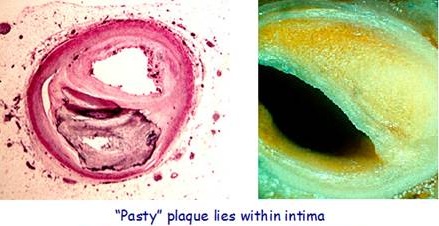
- Lysine, proline and vitamin C repair arterial walls and prevent, resolve, and dissolve existing atherosclerotic plaque build-up – a fact supported by 3 U.S. patents. These three ingredients not only work to inhibit the binding of Lp(a) cholesterol they also release it from arterial walls, disabling its ability to form plaque, regardless of the precipitating cause.
A sufficiency of Vitamin C binds to and aids hydroxylation of lysine and proline strands exposed in damaged arterial walls – repairing the damage. Hydroxylation heals the damage by repairing collagen and also prevents these strands from “docking” onto Lp(a) receptor sites – with the result that some of the Lp(a) and plaque repairs leave the vessel walls, as confirmed by above-mentioned studies; - As an antioxidant, vitamin C relieves oxidative stress from injuries – by neutralizing reactive oxygen species (ROS). Phillipo et al, 2018
The Rath-Pauling therapy is so simple you may not believe it. Why is it that when a solution sounds too simple, we think that it could not possibly work? Instead, we are persuaded by the various arms of the medical system to put stock in their lucrative invasive medical procedures and expensive prescription drugs.
Early Pauling Lecture on Heart Disease, Lp(a) and Vitamin C at Stanford
Finding the cure for CVD
The details of how the cure was found
In 1991, having determined that ischaemic CVD is simply a result of chronic, low-level scurvy (i.e. a vitamin C deficiency), Drs. Pauling and Rath published their groundbreaking paper:
“Solution to the Puzzle of Human Cardiovascular Disease: Its Primary Cause is Ascorbate Deficiency Leading to the Deposition of Lipoprotein(a) and Fibrinogen/Fibrin in the Vascular Wall”.
Next, they asked themselves the question of how life-saving plaques formed as a consequence of insufficient vitamin C could be reversed. Your body intended the plaque to be a temporary repair patch over arterial damage to prevent you bleeding-out.
Plaques are made from a “sticky” variant of LDL cholesterol called lipoprotein(a) – the “a” stands for adhesive.
Lp(a) – “The Cholesterol Repairman”
They found that Lp(a) cholesterol-binding sites are really just residues of collagen amino acids lysine and proline that become exposed when blood vessel walls “crack” (as in a lesion). These exposed residues attract the “sticky” Lp(a) molecules creating the plaque.
Pauling hypothesized that if there were sufficient vitamin C and more-than-normal amounts of lysine in the bloodstream, then the Lp(a) might be attracted away from the lesion and that normal collagen would take its place, restoring the artery wall to a healthy state and relieving the need for the repair plaque.
– Matthias Rath M.D. and Linus Pauling Ph.D. 1992
An associate of Pauling with a serious heart insufficiency tested the hypothesis – It worked! This associate had already been taking large doses of vitamin C but was not getting any relief. Pauling suggested taking large amounts of supplemental lysine per day, and it worked. Within a few months he was able to function normally and there was strong evidence that his plaques were being reversed, and the arteries healed. He increased the dosage and recovered completely. The same happened with other of Pauling’s associates, friends, and acquaintances.
Within a few years, hundreds of people had reported that their cardiovascular disease had been totally reversed.
Rath and Pauling have two patents using their findings to remove plaque from arteries and also from organs during transplant surgery
According to the Rath / Pauling 1994 U.S. patent, a binding inhibitor (E.g. lysine or lysine analogs) together with vitamin C can stop and even reverse plaque formations – the amino acid lysine (lysine analogs), along with vitamin C and other antioxidants (E.g. CoQ10, vitamin E and vitamin A) in sufficient concentration, can inhibit Lp(a) from binding to exposed lysine residues.
US Patent No. 5,278,189, Pauling/Rath (1994). Prevention and treatment of occlusive cardiovascular disease with ascorbate and substances that inhibit the binding of lipoprotein (A)
Another patent concerns stripping plaque from transplant organs (actually filed first) – in later experiments Pauling and Rath showed that proline residues are also exposed by lesions in blood vessels; they filed a U.S. patent for using proline as well as lysine, vitamin C other amino acids and antioxidants (in oral amounts well past what is needed for prevention) to inhibit Lp(a) binding and so “melt away” atherosclerotic plaques in human organs dipped in these solvents during organ transplants
US Patent No. 5230996: Pauling/Rath (1993). A Procedure for the Cleansing / Removal of Atherosclerotic Plaque from Human Organs During Transplant Surgery.
In summation
Drs. Rath and Pauling found a cure for ischemic cardiovascular disease
Damaged arterial walls are repaired with a sufficiency of vitamin C, which binds to (aids hydroxylation of) lysine and proline strands exposed in the damaged walls. The hydroxylation of these strands repairs collagen and also prevents them from “docking” onto “sticky” cholesterol Lp(a) receptor sites to create plaque – the result is that some of the Lp(a) cholesterol plaque repairs leave the vessel walls.
The amino acid proline was found to improve the results by binding to additional Lp(a) receptors. Lp(a) is a combination of water-loving protein (apo a) and oil-loving cholesterol, and in contrast to lysine, the unique amino acid proline prefers oil to water (because of its five-member ring structure containing the amine portion of the molecule); Pauling and Rath correctly hypothesized that proline would dock onto the oily receptor sites not covered by lysine – and astonishingly, adding proline to their solution completely cleared plaque blockages;
Therapy mechanism doesn't depend on the cause of plaque formation
It doesn’t matter what caused the arterial lesions. Whether caused by mechanical stress, a vitamin deficiency, dietary oxidized cholesterol, elevated homocysteine or sugars, fat or toxic fats, or even . . . Little green men!

Cure means cure
End-stage CVD patients report an end to angina pain, color returns, blood pressure drops, blood flow increases, blockages disappear, heart rates drop, lipid profiles normalize, energy increases. Patients can pass treadmill stress tests without surgery or any other medical intervention. Patients, previously struggling to walk, report that within months they can handle even strenuous work. Eventually, elevated Lp(a) levels are reduced.
The therapy doses of Vitamin C, Lysine, Proline
How much vitamin C do you need?
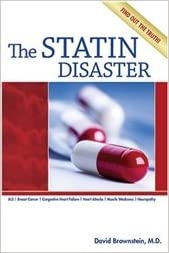
The amount of daily vitamin C a person needs varies according to their age, health condition and toxicity levels (e.g. smokers and older people have extra needs). The dosage guidelines in the following chart provide a good starting point., but the best way to determine if a vitamin C dose is greater than needed for vitamin C plasma and blood saturation, is if one’s stools become too soft. Your body knows best about how much you need and will excrete any overdose via the bowel, as well as in the urine. Obviously – one should not have to run for the bathroom, but also the dose should not affect your normal day-to-day activities and comfort. If either of these situations occur, you need to reduce your dose. Note that the prophylactic doses, originally recommended by Rath and Pauling in the 1970’s / 80’s have been updated / reduced in light of the abundance of more recent research, and their therapeutic doses may also need to be adjusted downwards in response to bowel tolerance. Antioxidant supplementation may or may not affect the efficacy of some medications, including cholesterol-lowering statin drugs, however, logic says that these antioxidants, including vitamin C, alleviate the oxidant damage, which originally led you to taking that medication! As to cholesterol-lowering statin drugs – the cholesterol explanation for CVD is a scam and $tatins – Don’t save lives
The form of vitamin C recommended by Dr. Linus Pauling is PURE (pharmaceutical) grade ascorbic acid:
- Not combined as a mineral complex (i.e. buffered) E.g. calcium ascorbate. Less vitamin C is absorbed through the stomach wall and the high dosage levels of this therapy could result in an overdose of the complexed mineral.
- Non-GMO
Also recommended:
- Not manufactured in China
Vitamin C is better taken in smaller separated doses. About 80-90% of ingested ascorbic acid is absorbed into the blood from the small intestines. The body uses it in ~2 hours, and it has usually gone from the blood in 3-4 hours.
Take Vitamin C consistently. Once you start taking more vitamin C than usual, it is important to take it consistently, and not stop, even for a day. If you want to significant;y reduce your consumption of vitamin C, do so gradually over a period of several days. Consuming high doses of vitamin C causes the body to create large quantities of enzymes that utilize the vitamin C. If vitamin C consumption is stopped suddenly, then these enzymes will go to work on the small quantity of vitamin C remaining in the body, with possible scurvy resulting.
Powdered Ascorbic Acid, L-Lysine and L-Proline
- Add powders to a 12-14 oz glass of water or juice. Powders have a mild, zingy taste. The best way to consume them is in the daily ‘No-brainer’ “Make-it-Happen” smoothie
- Do not PRE-mix powders. It causes the vitamin C to oxidize, turning the mixture pink.
IMPORTANT REMINDER to adjust dose to bowel tolerance / diarrhea. The onset of diarrhea indicates when the body’s true requirement of vitamin C has been reached. Vitamin C is absorbed into the blood stream before it reaches the colon – when your bloodstream is full, it will not absorb anymore and reaching the colon it causes diarrhea.
After utilizing this therapy, only you, can decide how, when and if you should wean off any drugs you are taking. The information provided on this website is intended to enlighten you to information, which hopefully will help you take responsibility for your own health.
| Who / Dose Type | Daily Dose |
Vitamin C POWDER (1g = ~ ¼ tsp.) |
When | Daily Dose |
Lysine POWDER (1g = 0.57 tsp. |
When | Daily Dose | Proline 500 mg CAPS or POWDER (1g = ½ tsp.) |
When |
|---|---|---|---|---|---|---|---|---|---|
Updated Prophylactic / Prevention doses in light of new research |
|||||||||
| ADULT < 30y HEALTHY / NON_SMOKER |
400mg | ~ 1/8 tsp | ONCE / day | 400mg | ~ 1/3 tsp. | ONCE / day | ~70mg | ~ 1/16 tsp | Once / day |
| ADULT < 30 y (UNnhealthy, smoker) ADULT >= 30y (healthy, non-smoker) |
1g | ¼ tsp. | ONCE / day | 1g | ~ 2/3 tsp. | ONCE / day | ~170mg | scant 1/8 tsp | Once / day |
| ADULT DOSE ADULT >= 30 y (UNhealthy, smoker) |
1.5g | ~1/3 tsp. | ONCE / day | 1.5g | ~ 7/8 tsp. | ONCE / day | 250mg | 1/8 tsp | Once / day |
ORIGINALLY RECOMMENDED RATH-PAULING DOSES |
|||||||||
| Prophylactic / Prevention (ORIGINAL DOSES) |
3g | 1.5 g = ~1/3 tsp. | AM / PM | 3g | 1.5g = 7/8 tsp. | AM and PM | 0.5g | 1 – 500 mg capsule = 1/4 tsp. | AM |
|
If you have a known health problem related to collagen deficiency. E.g. cardiovascular disease, rheumatoid arthritis, cartilage or bone deterioration, Pauling recommended a minimum dosage level as in the High-Risk Therapeutic level of therapy. How long to take therapeutic dose? It is suggested that you take the therapeutic dose until you have confirmation that your health problem has been resolved – or you have some other reason for stopping. After weaning off the therapeutic dose level, it is advisable to continue the therapy at the UPDATED Prophylactic / Prevention dose level. |
|||||||||
| High-Risk Therapeutic (ORIGINAL DOSES) |
6g | 2g (½ tsp.) | AM / Noon / PM | 6g | 2g (Heaping tsp.) | AM / Noon /PM | 1g | 1 -500 mg capsule = 1/4 tsp. | AM / PM |
| Serious Therapeutic (ORIGINAL DOSES) |
9g | 2g+ (½ tsp.+) | AM / Noon / 5PM / 9PM | 9g | 2.25g (1 ¼ tsp) | AM / Noon / 5PM / 9PM | 1.5g | 1 – 500 mg capsule = 1/4 tsp. | AM /Noon / PM |
Other nutrients and dietary recommendations help ensure the therapy's success
Important
- Vitamin E (as mixed tocopherols) – 400 IU
- Vitamin A – 20,000 to 40,000 IU
- B-Complex – preferably sublingual
- Drink plenty of water
Additional Enhancements
- Eliminate trans fatty acids from the diet
- Introduce unprocessed Omega-3 and Omega-6 oils
- Eat salt, but only unrefined salt
- Reduce manganese intake
- Eliminate / minimize ordinary sugar and refined carbohydrates
- Supplement with vitamin K
- Avoid supplemental calcium
- Supplement with the amino acids taurine, arginine and carnitine (1 to 3 grams)
- Supplement with vitamin D3 (2,000 IU), especially in the winter months or take a daily sunbath
Studies connecting Vitamin C deficiency with CVD
1950’s – Canadian physician, Dr. G. C. Willis demonstrated that an ascorbate deficiency increased cholesterol synthesis in animals
- Increased dietary cholesterol reduced vitamin C levels – and, conversely, vitamin C supplementation decreased cholesterol levels.
- Willis found that Vitamin C reversed atherosclerosis in guinea pigs – like humans, they do not produce their own ascorbate. Willis GC et al, 1950’s studies.
1971 – British physician, Dr. Constance Spittle, demonstrated that vitamin C therapy could lower or raise cholesterol depending on presence of plaque
- Patients exhibited a transitory rise in blood cholesterol when given vitamin C therapy – explained by cholesterol released from plaques as vitamin C healed the blood vessel walls;
- Patients with no CVD showed lower blood cholesterol levels. Spittle CR. 1971
Why is the medical profession not utilizing the Rath/Pauling therapy for ischaemic CVD?
The medical profession and the National Institutes of Health (NIH) were not interested or impressed with the Rath/Pauling findings. The idea that cardiovascular disease was due to a simple nutritional deficiency and that a simple regimen of inexpensive nutrients and low-level exercise to get those nutrients to circulate, was very threatening to a medical system geared to and economically dependent on invasive medical procedures and expensive prescription drugs. Drug companies and for-profit hospitals have hundreds of billions of dollars at stake in investment and future revenues in conventional heart and vascular therapy. If they were to become common knowledge, the Rath/Pauling findings and therapy would eradicate cardiovascular disease in humans.
Twice the NIH flatly refused to fund studies of the regimen, citing extraneous “technicalities” for not proceeding. The National Academy of Sciences first accepted, then without reason canceled publication of Pauling and Rath’s definitive paper on the cause of cardiovascular disease, despite Pauling being an honored member of the Academy, one of the founders of modern chemistry and molecular biology, and the only recipient of two unshared Nobel Prizes.
The Pauling/Rath Unified Theory Paper (PDF) not published by the National Academy of Sciences:
http://orthomolecular.org/library/jom/1992/pdf/1992-v07n01-p005.pdf
Testimonies
Orthomolecular physicians have reported much success in treating heart disease with synergistic combinations of ascorbate, lysine and proline
Here’s just a couple of testimonies:
- Linus Pauling Case History: a National Science Medalist who had undergone several coronary artery bypass grafts (CABGs), each of which had re-clogged, and who had been prescribed statin drugs for high cholesterol as well as calcium channel blockers and beta-blockers for high blood pressure. After discussing his history with Pauling, this patient began a supplement program, including 6g of vitamin C; however, his condition continued to worsen. Pauling then suggested adding L-lysine (peaking at 6g/day) to his cocktail. The patient described the results as bordering on miraculous: his walking distance suddenly recovered, and he was again able to do his own yard work (including the cutting up of a tree with his chainsaw and the painting of his house).
- Dr. Kathie Dalessandri, MD: reported her own dramatic improvement in the Archives of Internal Medicine after using vitamin C and lysine. “I am a 53-year-old woman with a significantly elevated level of Lp(a) (27 mg/dL). . . I began to follow the advice of Linus Pauling. For individuals who have an Lp(a) level higher than 25 mg/dL and a family history of heart disease, the recommendation is to take 3 g/d of both ascorbic acid and L-lysine monohydrochloride.After 6 months of this regimen, with no adverse effects, my Lp(a) level decreased to 14 mg/dL, a reduction of 48%.”
References
Phillipo NN, Aman ZS, Kennedy M, Begley JP, Moatshe G, Laprade RF (2018) Efficacy of Vitamin C Supplementation on Collagen Synthesis and Oxidative Stress After Musculoskeletal Injuries: A Systematic Review. Orthop J Sports Med Oct 25; 6(10):2325967118804544 PubMed
Spittle CR. 1971. Atherosclerosis and Vitamin C, The Lancet, Dec 11;(18):pp.1280-1.
Willis GC. 1953. An Experimental Study of the Intimal Hemorrhages and in the Precipitation of Coronary Thrombi. Canadian Medical Association Journal, vol.69:pp.17-22.
Willis GC et al, 1954. Serial Arteriography in Atherosclerosis. Canadian Medical Association Journal, vol.71: pp.562-568.
Willis GC, Fishman S. 1955. Ascorbic Acid Content of Human Arterial Tissue. Canadian Medical Association Journal, vol.72:pp.500-503.
Willis GC. 1957. The Influence of Ascorbic Acid upon the Liver. Canadian Medical Association Journal, vol.76:pp.1044-1048.
Willis GC. 1957. The Reversibility of Atherosclerosis. Canadian Medical Association Journal of Nutrition, vol.77:pp.106-109.