- NUTRITION: Live to eat or eat to live?”
- Food Types
-
-
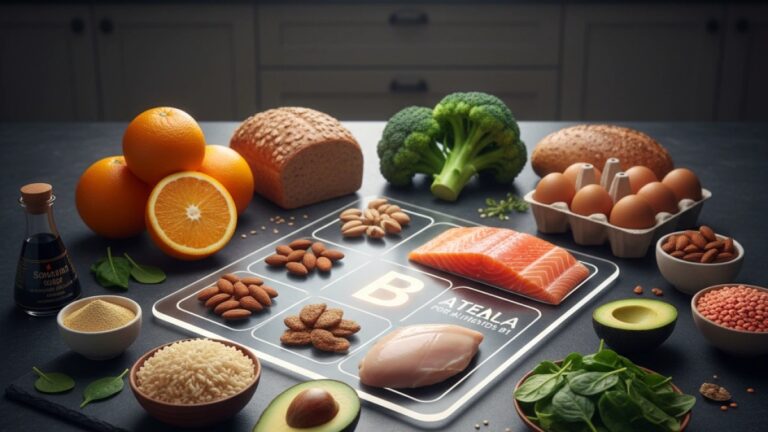
Food types we eat:
When choosing foods from each food type - the details matter
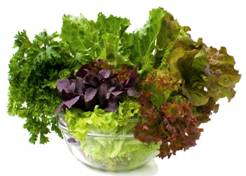
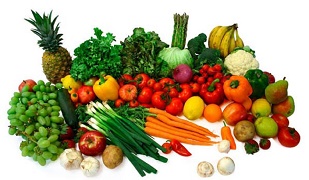
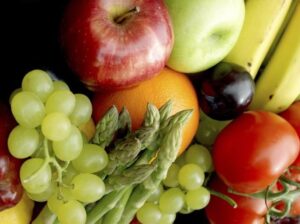
Fruits / Veggies 
Legumes 
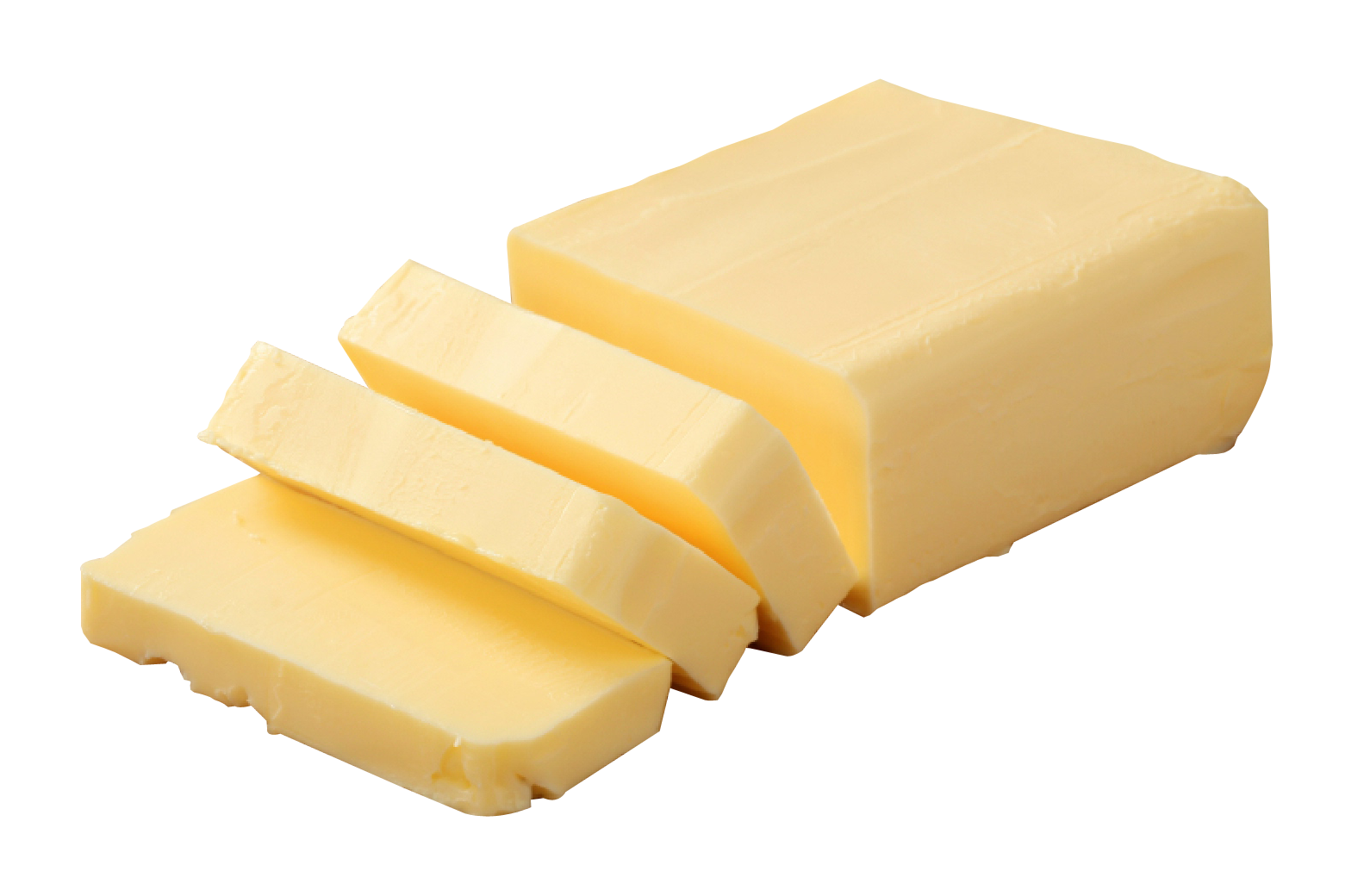
Fats / Oils 
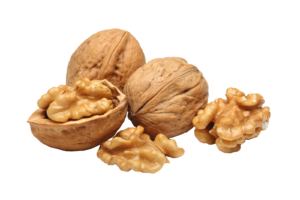
Nuts / Seeds 
Meat 
Grains 
Fish 
Beverages 
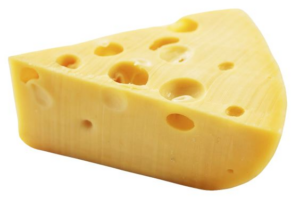
Dairy 
Sweeteners 
Eggs 
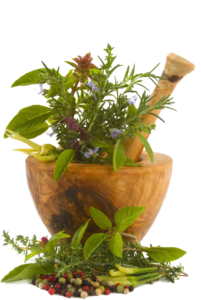
Herbs, spices, salt
-
-
- Nutrients
-
-
Nutrients we need:

Glucose Provided by carbohydrates; needed to produce cellular energy 
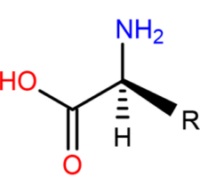
Amino acids Protein building blocks 
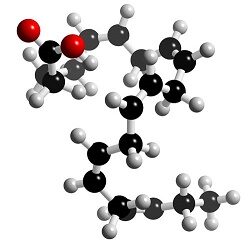
Fatty Acids Fat building blocks 
Fiber Stool softener and intestinal sweeping brush 
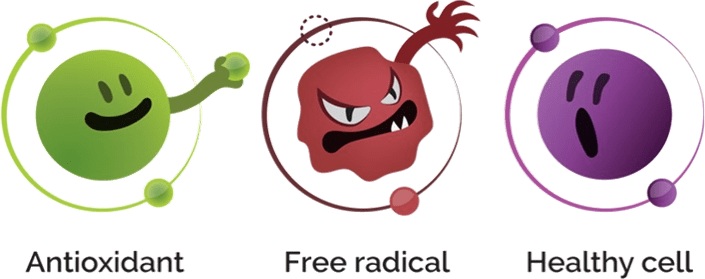
Antioxidants
/ VitaminsNeutralize oxidants. Vitamins (A, B, C, D, E ), phytonutrients(carotenoids, polyphenols), others (CoQ10) 
Minerals ~ 25 of the 92 naturally occurring major and trace mineral elements are essential for life. Magnesium, sulfur, selenium, zinc, manganese may not be sufficiently present in diet and may need to be supplemented. 
Enzymes Make things happen! Composed of amino acid chains, enzymes act as catalysts to speed up biochemical reactions in our body. 
Probiotics – “For Life!”
More than 2/3 of your immune system is in your gut, dependent on a healthy presence of microflora. 
Food electrons Needed for cellular energy production Harmful Foods / Practices

Genetically modified foods
/ GMOsGM plant or animal foods having adverse health-effects. DNA molecules from bacteria, viruses, insects, plants, animals, humans are combined to form new genes to transfer to plants for herbal tolerance of weed-killer and / or insect-resistance, or animals / fish for selective breeding of desirable traits 
Monosodium glutamate (MSG) 
Aspartame This sugar-free sweetener is a neurotoxin 
Sucralose 0 calorie sweetener is a harmful organochlorine 
Chlorination Disease-causing disinfectant in your water 
Fluoridation Mega health fraud 
Microwaved food - Not so convenient for your health Harmful when eaten to excess

High Fructose
Corn Syrup (HFCS)
Too much fructose 
Too much sugar 
Too much caffeine 

Antinutrients Particularly lectins (e.g. prolamins, agglutinins) and phytate in IMPROPERLY prepared WHOLE grains, seeds, nuts and legumes. Lectins can cause a “leaky gut” inflammation leading to IBS, allergies, asthma, arthritis, anemia, obesity, +++ ; Phytate can cause malabsorption of magnesium, calcium, iron, copper, and zinc; 
Alcohol Moderation is the key Good general food choices

Daily 'No-brainer'
💡
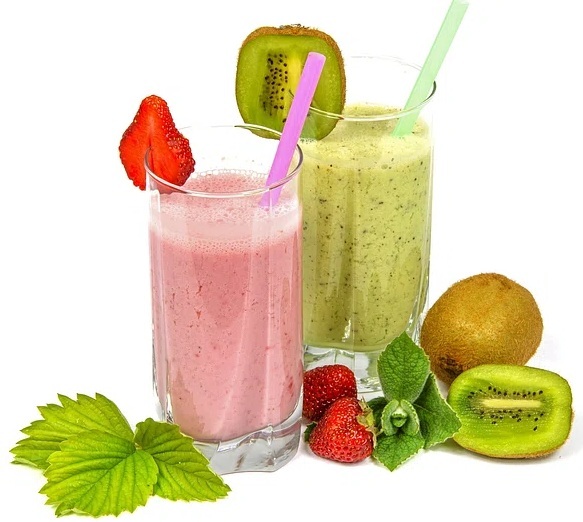
"Make-it-Happen" smoothie:This daily drink with supporting supplements contains nutrients typically missing from our diet to restore / maintain physical and mental health. It includes the Rath-Pauling therapy at maintenance level providing important antioxidant vitamin C and amino acids for building collagen, also Omega-3 fats, magnesium, iodine, and vitamin D 
RECOMMENDED DAILY SUPPLEMENTS CHART 
Grown in your native environment i.e. locally grown and in season 
Organic – What does that mean? Natural, unprocessed and organic (chemical/GMO-free). 
Glycemic Index (GI) vs. Glycemic Load (GL) A food's glycemic index indicates how much it raises blood sugar, but its glycemic load (GL) gives a gives a truer comparison between foods, since it accounts for typical serving size. 
What foods does the bible
say are good to eat or not?
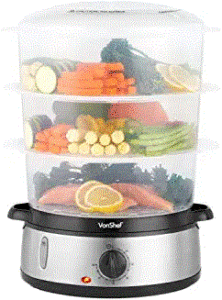
Cooking to preserve nutrients Aim for at least 1/3 raw. Raw food contains enzymes, which are destroyed by heat. Some nutrients are made more bioavailable by heating, some are destroyed. 
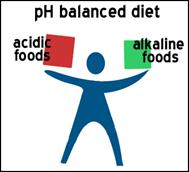
ACID / ALKALINE BALANCE

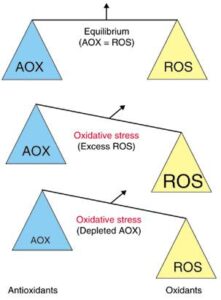
ANTIOXIDANT / OXIDANT BALANCE
-
-
- Harmful foods / practices
-
-
Harmful Foods / Practices

Genetically modified foods / GMOs GM plant or animal foods having adverse health-effects. DNA molecules from bacteria, viruses, insects, plants, animals, humans are combined to form new genes to transfer to plants for herbal tolerance of weed-killer and / or insect-resistance, or animals / fish for selective breeding of desirable traits 
Monosodium glutamate (MSG) 
Aspartame This sugar-free sweetener is a neurotoxin 
Sucralose 0 calorie sweetener is a harmful organochlorine 
Chlorination Disease-causing disinfectant in your water 
Fluoridation Mega health fraud 
Microwaved food - Not so convenient for your health Harmful when eaten to excess

High Fructose
Corn Syrup (HFCS)
Too much fructose 
Too much sugar 
Too much caffeine 

Antinutrients Particularly lectins (e.g. prolamins, agglutinins) and phytate in IMPROPERLY prepared WHOLE grains, seeds, nuts and legumes. Lectins can cause a “leaky gut” inflammation leading to IBS, allergies, asthma, arthritis, anemia, obesity, +++ ; Phytate can cause malabsorption of magnesium, calcium, iron, copper, and zinc; 
Alcohol Moderation is the key
-
-
- Good choices
-
-
Good nutritional choices

Daily 'No-brainer' 💡
"Make-it-Happen" smoothie:This daily drink with supporting supplements contains nutrients typically missing from our diet to restore / maintain physical and mental health. It includes the Rath-Pauling therapy at maintenance level providing important antioxidant vitamin C and amino acids for building collagen, also Omega-3 fats, magnesium, iodine, and vitamin D 
RECOMMENDED DAILY SUPPLEMENTS CHART 
Grown in your native environment i.e. locally grown and in season 
Organic – What does that mean? Natural, unprocessed and organic (chemical/GMO-free). 
Glycemic Index (GI) vs. Glycemic Load (GL) A food's glycemic index indicates how much it raises blood sugar, but its glycemic load (GL) gives a gives a truer comparison between foods, since it accounts for typical serving size. 
What foods does the bible
say are good to eat or not?
Cooking to preserve nutrients Aim for at least 1/3 raw. Raw food contains enzymes, which are destroyed by heat. Some nutrients are made more bioavailable by heating, some are destroyed. 
ACID / ALKALINE BALANCE

ANTIOXIDANT / OXIDANT BALANCE
-
-
"Vitamin C Fix" 💡- How to obtain the all-important vitamin C?
How much vitamin C do we need?
The RDA for vitamin C for an adult is 75 – 90 mg / day. Vitamin C has many protective functions against today’s numerous oxidative assaults on our bodies preventing us from experiencing health problems / diseases related to its deficiency, so is this RDA enough?
According to brilliant scientist Dr. Linus Pauling (the only person to receive two unshared Nobel prizes), who studied vitamin C for many years, we need a sufficiency of vitamin C to repair and rebuild connective tissue, including arteries, joints, bones, cartilage, ligaments and skin, and also to counter oxidative sources of cell damage. The amount Dr. Pauling recommended for health maintenance was 2000 mg / day. (In his 1986 book “How to live longer and feel better”).
In a 1974 radio interview, Dr. Pauling noted: “the first 250 mg is more important than any later 250 mg. The first 250 mg leads you up to the level where the blood is saturated. You can achieve a higher volume [concentration] in the blood by a larger intake, but you get much better improvement for the first 250 mg than for additional grams.”
However, in light of the current much-increased body of scientific evidence (which was not available to Pauling), the Linus Pauling Institute (LPI) has updated the recommended daily dose of vitamin C, having determined that a dose of 400 mg is sufficient for a healthy, non-smoking young person. The National Institute of Health (NIH) found that circulating and plasma levels of vitamin C became saturated at around 400 mg /day, consistent with the amount associated with reduced risk of heart disease.
The LPI also acknowledges that saturation amounts are unknown for children, older adults and the elderly. A meta-analysis of 36 studies found that the elderly require a substantially higher vitamin C intake to acquire plasma concentrations of young people at lower doses. Indeed, LPI research has shown that vitamin C uptake declines with age. The LPI also states that people with certain diseases may require substantially larger amounts than 400 mg / day to reach therapeutic benefits, whilst acknowledging the extremely low toxicity of vitamin C. (up to 10 g / day). The Rath / Pauling Therapy – To strengthen connective tissue is a high-dose, powdered vitamin C therapy (together with a couple of collagen-building amino acids), with dosages tailored to your specific health need and condition.
The take-home guidelines from current available data:
- The body can absorb vitamin C equally well from either food or a supplement. Oregon State study. Any supplemental vitamin C should be combined with eating natural vitamin C from food sources, since these contain synergistic nutrients required for its metabolism. Also, food sources contain needed minerals, fiber and other powerful antioxidants, such as polyphenols (including the bioflavonoids – especially in fruit and vegetable peels / skins).
- The absorption rate decreases with amount of vitamin C taken. The NIH reports that only 50% of doses / day > 1000 mg are absorbed, whereas 70-90% of a daily dose < 180 mg is absorbed.
- You can’t overdose on vitamin C. The body excretes what it doesn’t need – mainly in the urine. Although >2000 mg can have a laxative effect – a good indication that you are taking too much at one sitting!
- A couple of studies found vitamin C more bioavailable when taken as a liquid. Mijoo Choi et al, Nutrients; 2025 Comparative bioavailability of vitamin C after short-term consumption of raw fruits and vegetables and their juices: A randomized cross-over study; Kiet Tan Vu et al, 2022, A pilot study on the effect of formulation and individual muscle mass on vitamin C absorption in randomized study, PubMed (Subjects with higher muscle mass also had better absorption)
- Adult < 30 y (Young, healthy, non-smoking) – 400 mg vitamin C / day ;
- Adult (Young smoking or unhealthy adult / adult over 30y – 1g vitamin C / day ;
- Unhealthy or smoking adult 30-65 y or adult over 65y – 2g

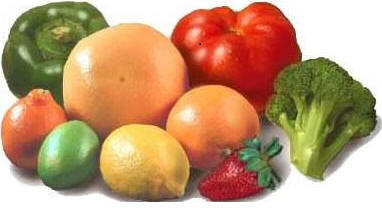
Good food sources of vitamin C? (by serving size)
Food | Serving size | Mg per serving |
|---|---|---|
| Fruit | ||
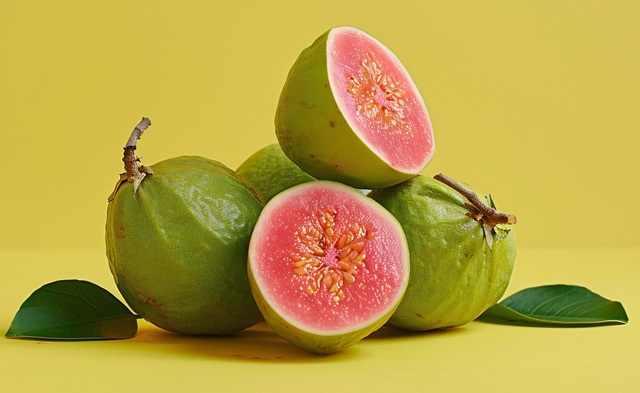
| Guava | 1 | 126 |
| Orange | 1 medium | 70 |
| Kiwi | 1 medium | 64 |
| Strawberries, sliced | 1/2 C | 49 |
| Pineapple chunks, raw | 1/2 C | 40 |
| Grapefruit | 1/2 medium | 39 |
| Mango | 1/2 C | 30 |
| Cantaloupe | 1/2 C | 29 |
| Mandarin | 1 | 23 |
| Lemon | 1/2 | 17 |
| Apple | 1 medium | 7 |
| Vegetables | ||
| Red Bell Pepper | 1/4 C | 48 |
| Brussels Sprouts | 1/2 C | 48 |
| Broccoli, Raw | 1/2 C | 39 |
| Green Bell Pepper | 1/4 C | 30 |
| Cabbage, cooked | 1/2 C | 28 |
| Tomato | 1 medium | 17 |
| Potato | 1medium | 17 |
| Spinach, cooked | 1/.2 C | 9 |
| Green peas, frozen, cooked | 1/2 C | 8 |
| Sweet potato | 1 medium | 3 |
U.S.National Institutes of Health
How you cook your vegetables affects C content
- Raw vegetables have highest C.
- Cooked vegetables: if not eating raw, then to retain C, steaming is best, microwaved next and lastly boiling (however the C ends up in the water – so C is retained if consuming the liquid as in soup or sauces. Nutrition & Food Science.
How to supplement vitamin C
With a significant health problem, it is of immediate importance that you supplement vitamin C
If dealing with a health problem: since you cannot obtain the therapeutic amounts of vitamin C you need quickly enough from dietary sources, this simple, cheap, oral therapy developed by the brilliant scientist and two-time Nobel prize winner Dr. Linus Pauling and Dr. Matthias Rath involves taking easily obtainable ingredients and is your pathway back to health!: It is advisable for everyone to add the Rath / Pauling therapy to their daily schedule at prophylactic / preventative doses by drinking the daily, home-made:
How to use vitamin C topically as an anti-aging tool
A 10-20% (maximum) solution of topically applied vitamin C can improve collagen synthesis in the skin. This is achieved by increasing vitamin C presence in the epidermis and dermis, which increases collagen production to revive some skin elasticity and prevent / treat UV damage from sun or tanning beds, or pollutants.
How to mix 20% vitamin C solution for topical use. Dissolve 1 g vitamin C powder (or tablets) in 100 mL (~3.5 ounces) of distilled water. However, you may want to start with a 10% solution, using only 500 mg vitamin C in 100 mL, then build up to the maximum 20% whilst observing for any adverse effects. A solution >20% is not absorbed into the skin as well as weaker solutions.
- Apply to skin with cotton ball or other applicator twice per day. No need to wash off. Visible positive results can take at least 12 weeks. Not everyone sees dramatic changes.
- Supplementing vitamin E and zinc improves results.