

Vitamin E - Cell membrane protectant
HealthE benefit
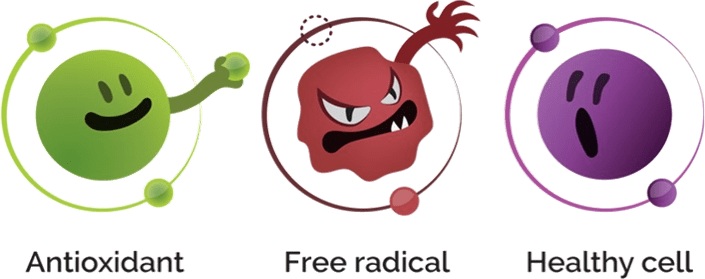
This fat-soluble antioxidant is renowned for its ability to counter lipid peroxidation in fatty tissues in the body. This is of particular importance in cell membranes, where it protects the beneficial, active nature of EFAs, which when sitting in the cell membrane attract oxygen to the cell but also makes them vulnerable to free radical-producing oxidation. Also, the membrane EFAs AA, DGLA and EPA are converted as needed to eicosanoids – local hormones that control “goings-on” in the cell locale, such as pain /inflammation, blood clotting, vasodilation/ vasoconstriction, bronchoconstriction / bronchodilation, immune system reactions and much more.
Clinical trials have largely used the synthetic dl-alpha isomer form of vitamin E, and have NOT shown positive results in:
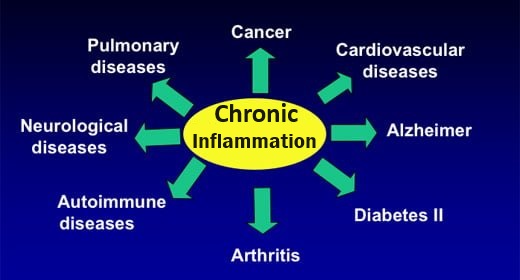
- Alzheimer’s disease
- Cancer
- Cataracts
- Cardiovascular diseases
- Pregnancy issues
- Topical use

Which typE to supplement?
α-Tocopherol is the main source found in supplements and in the European diet – where the main dietary sources are olive and sunflower oils
γ-tocopherol is the most common form in the American diet – due to a higher intake of soybean and corn oil. Wikipedia
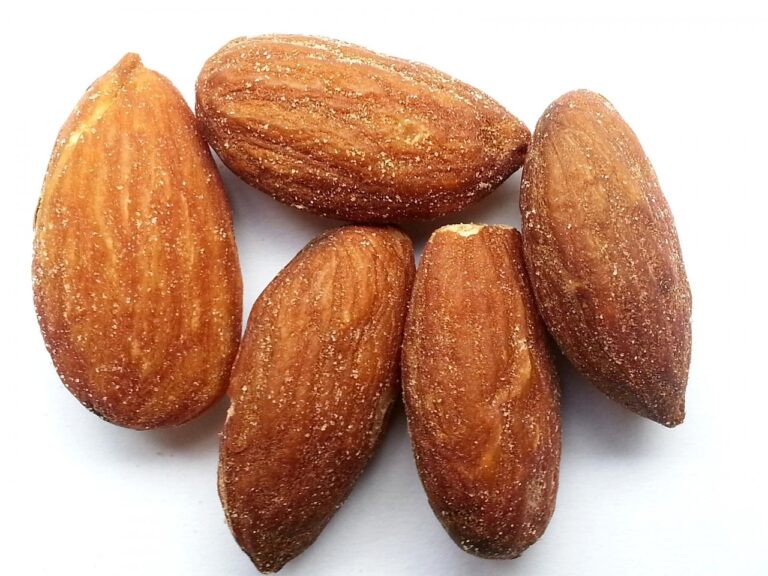
- Abundant in nuts, such as almonds, walnuts and pecans.
The best choice of Vitamin E supplement is MIXED TOCOPHEROLS in their natural (plant-extracted) form. If you buy the cheaper just alpha-tochopherol form, choose the d-alpha tocopherol (extracted from plant oils), not the synthetic dl-alpha alpha-tocopherol (extracted from petroleum products).