




- NUTRITION: Live to eat or eat to live?”
- Food Types
-
-
Food types we eat:
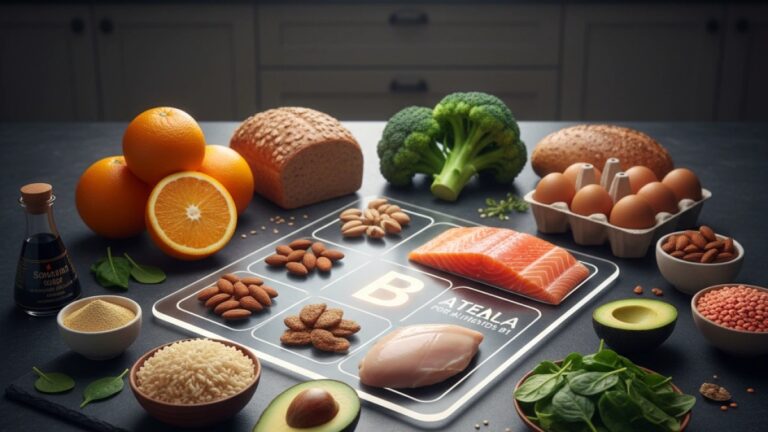
When choosing foods from each food type - the details matter
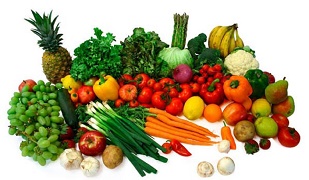
Fruits / Veggies 
Legumes 
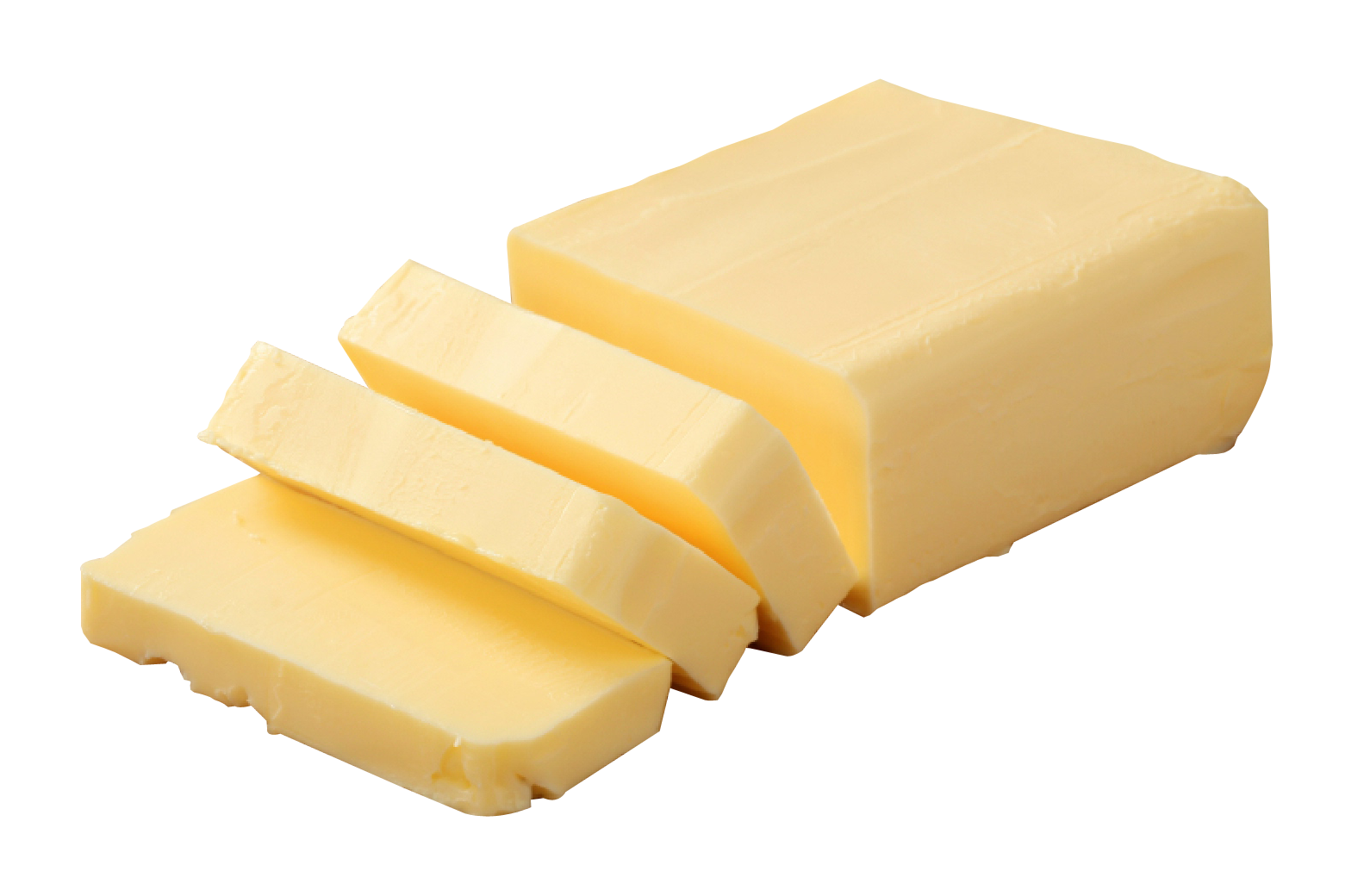
Fats / Oils 
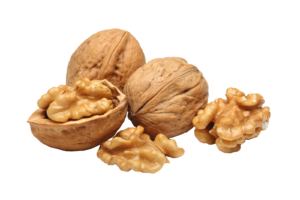
Nuts / Seeds 
Meat 
Grains 
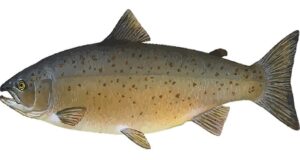
Fish 
Beverages 
Dairy 
Sweeteners 
Eggs 
Herbs, spices, salt
-
-
- Nutrients
-
-
Nutrients we need:
Glucose Provided by carbohydrates; needed to produce cellular energy 
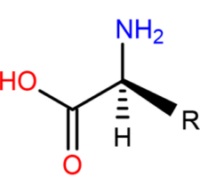
Amino acids Protein building blocks 
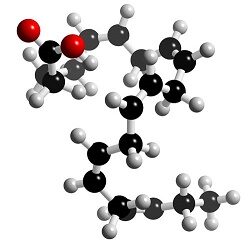
Fatty Acids Fat building blocks 
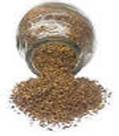
Fiber Stool softener and intestinal sweeping brush 

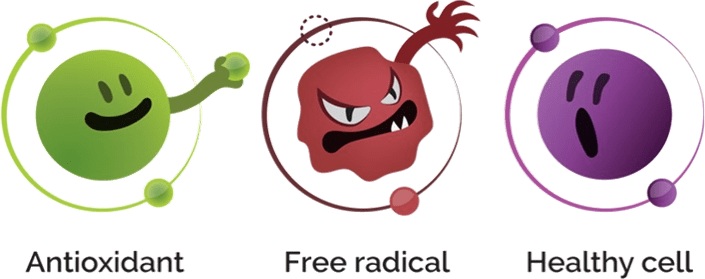
Antioxidants
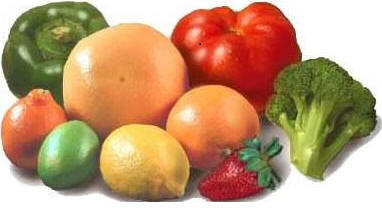
/ VitaminsNeutralize oxidants. Vitamins (A, B, C, D, E ), phytonutrients(carotenoids, polyphenols), others (CoQ10) 
Minerals ~ 25 of the 92 naturally occurring major and trace mineral elements are essential for life. Magnesium, sulfur, selenium, zinc, manganese may not be sufficiently present in diet and may need to be supplemented. 
Enzymes Make things happen! Composed of amino acid chains, enzymes act as catalysts to speed up biochemical reactions in our body. 
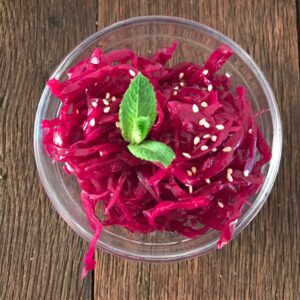
Probiotics – “For Life!”
More than 2/3 of your immune system is in your gut, dependent on a healthy presence of microflora. 

Food electrons Needed for cellular energy production Harmful Foods / Practices

Genetically modified foods
/ GMOsGM plant or animal foods having adverse health-effects. DNA molecules from bacteria, viruses, insects, plants, animals, humans are combined to form new genes to transfer to plants for herbal tolerance of weed-killer and / or insect-resistance, or animals / fish for selective breeding of desirable traits 
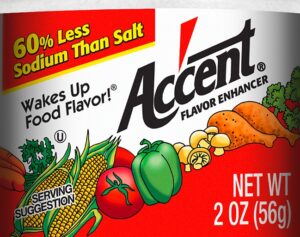
Monosodium glutamate (MSG) 
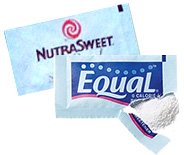
Aspartame This sugar-free sweetener is a neurotoxin 
Sucralose 0 calorie sweetener is a harmful organochlorine 
Chlorination Disease-causing disinfectant in your water 
Fluoridation Mega health fraud 

Microwaved food - Not so convenient for your health Harmful when eaten to excess

High Fructose
Corn Syrup (HFCS)
Too much fructose 
Too much sugar 

Too much caffeine 
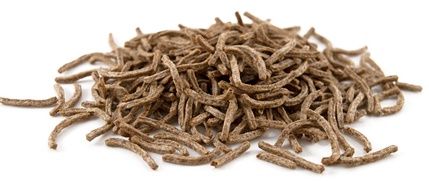
Antinutrients Particularly lectins (e.g. prolamins, agglutinins) and phytate in IMPROPERLY prepared WHOLE grains, seeds, nuts and legumes. Lectins can cause a “leaky gut” inflammation leading to IBS, allergies, asthma, arthritis, anemia, obesity, +++ ; Phytate can cause malabsorption of magnesium, calcium, iron, copper, and zinc; 

Alcohol Moderation is the key Good general food choices
Daily 'No-brainer'
💡
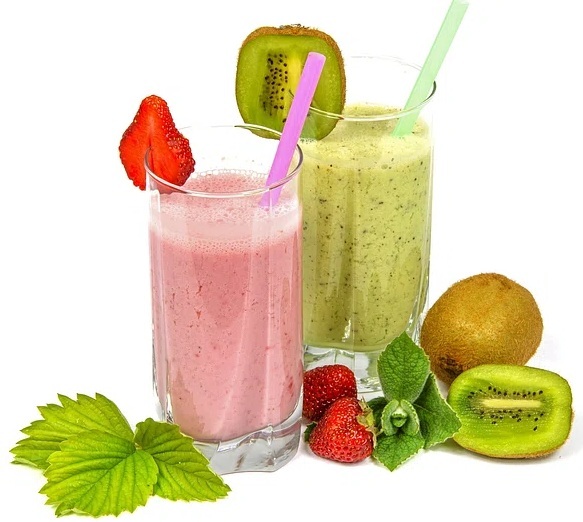
"Make-it-Happen" smoothie:This daily drink with supporting supplements contains nutrients typically missing from our diet to restore / maintain physical and mental health. It includes the Rath-Pauling therapy at maintenance level providing important antioxidant vitamin C and amino acids for building collagen, also Omega-3 fats, magnesium, iodine, and vitamin D 
RECOMMENDED DAILY SUPPLEMENTS CHART 

Grown in your native environment i.e. locally grown and in season 
Organic – What does that mean? Natural, unprocessed and organic (chemical/GMO-free). 
Glycemic Index (GI) vs. Glycemic Load (GL) A food's glycemic index indicates how much it raises blood sugar, but its glycemic load (GL) gives a gives a truer comparison between foods, since it accounts for typical serving size. 

What foods does the bible
say are good to eat or not?
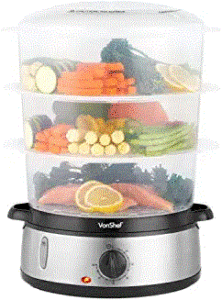
Cooking to preserve nutrients Aim for at least 1/3 raw. Raw food contains enzymes, which are destroyed by heat. Some nutrients are made more bioavailable by heating, some are destroyed. 
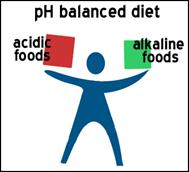
ACID / ALKALINE BALANCE
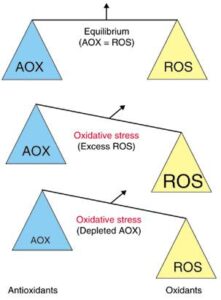
ANTIOXIDANT / OXIDANT BALANCE
-
-
- Harmful foods / practices
-
-
Harmful Foods / Practices
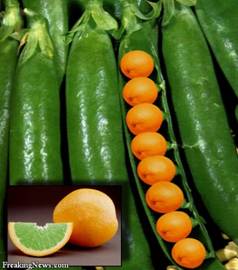
Genetically modified foods / GMOs GM plant or animal foods having adverse health-effects. DNA molecules from bacteria, viruses, insects, plants, animals, humans are combined to form new genes to transfer to plants for herbal tolerance of weed-killer and / or insect-resistance, or animals / fish for selective breeding of desirable traits 
Monosodium glutamate (MSG) 
Aspartame This sugar-free sweetener is a neurotoxin 
Sucralose 0 calorie sweetener is a harmful organochlorine 
Chlorination Disease-causing disinfectant in your water 
Fluoridation Mega health fraud 
Microwaved food - Not so convenient for your health Harmful when eaten to excess

High Fructose
Corn Syrup (HFCS)
Too much fructose 
Too much sugar 
Too much caffeine 
Antinutrients Particularly lectins (e.g. prolamins, agglutinins) and phytate in IMPROPERLY prepared WHOLE grains, seeds, nuts and legumes. Lectins can cause a “leaky gut” inflammation leading to IBS, allergies, asthma, arthritis, anemia, obesity, +++ ; Phytate can cause malabsorption of magnesium, calcium, iron, copper, and zinc; 
Alcohol Moderation is the key
-
-
- Good choices
-
-
Good nutritional choices

Daily 'No-brainer' 💡
"Make-it-Happen" smoothie:This daily drink with supporting supplements contains nutrients typically missing from our diet to restore / maintain physical and mental health. It includes the Rath-Pauling therapy at maintenance level providing important antioxidant vitamin C and amino acids for building collagen, also Omega-3 fats, magnesium, iodine, and vitamin D 
RECOMMENDED DAILY SUPPLEMENTS CHART 
Grown in your native environment i.e. locally grown and in season 
Organic – What does that mean? Natural, unprocessed and organic (chemical/GMO-free). 
Glycemic Index (GI) vs. Glycemic Load (GL) A food's glycemic index indicates how much it raises blood sugar, but its glycemic load (GL) gives a gives a truer comparison between foods, since it accounts for typical serving size. 
What foods does the bible
say are good to eat or not?
Cooking to preserve nutrients Aim for at least 1/3 raw. Raw food contains enzymes, which are destroyed by heat. Some nutrients are made more bioavailable by heating, some are destroyed. 
ACID / ALKALINE BALANCE

ANTIOXIDANT / OXIDANT BALANCE
-
-
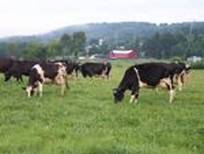
Vitamin A - "The Grass vitamin" - This important vitamin is disappearing from today's mainstream diet
What are our food sources of vitamin A?
We can obtain vitamin A from the fat of animals, birds and fish
But. . . only in significant amounts if their diet includes vitamin A or carotenes – as found in diets of livestock/birds/fish consuming green pasture, insects, fish meal and plankton. Retinol (converted by the body to retinal, retinoic acid, + others) is the most usable form of vitamin A and is found in the following sources of animal, bird or fish fat:
- Oily fish
- Liver and other organ meat (e.g. kidney)
- Whole milk and products (e.g. butterfat, cream, cheese) from grass-fed animals – Low fat milk has synthetic vitamin A added (because it doesn’t contain much fat).
- Egg yolks and chicken from pastured hens, i.e. grass-fed, insect-eating hens
- Shellfish (not recommended because of their possible toxicity).
And. . . current mass farming methods mostly eliminate vitamin A from the livestock diet
The current farming practice of keeping livestock in confinement results in an absence of vitamin A in their fat. If present however, the fat-soluble vitamins A, D, E and K are relatively stable and essentially will survive the pasteurization process.
| CAFO (Confined Animal Farming Operations) |
|---|
USDA 2018 data reveals that ~ 85% of the 33 million grain-fed beef cattle slaughtered annually in the U.S. for consumption as meat cuts are in the hands of four huge corporations (U.S Cargill and Tyson Foods Inc, and Brazil-based / controlled JBS SA, and National packing company) RRef
Cattle, with their multi-chambered stomachs, are designed to “chew the cud”, and eat a grass-based, high fiber diet Compared with grass-fed cattle beef and milk products, CAFO raised animal products have:
Bougnoux et al, Inform 10:S43, 1999 Beef from grass-fed cattle contains about twice the amount of beta-carotene as grain-fed beef. Pasture-raised cows produce only a third of the milk of CAFO animals. Consequently, their milk is more nutrient dense because it has not been “watered down” by greater production quantities (The cow has eaten only so many nutrients to transfer to her milk). The butter made using milk from a cow fed on 100% pasture will be bright yellow and taste delicious! The creamiest milk comes from pastured Jersey or Guernsey cows. Hope for the future. In the last few years, the number of U.S. farms raising pure pasture-fed beef has increased from 50 to >1,000 and climbing, but still represents only about 1% of the nation’s supply. |
And anyway. . . processors prefer to utilize vegetable oils (containingß-carotene), instead of animal fats
We can obtain vitamin A by converting dietary carotenes
But. . . optimal conversion NEEDS FAT and is influenced by other factors. We are taught that we may obtain vitamin A by eating and converting provitamin A carotenes (such as ß-carotene) in brightly colored fruits and vegetables. The problem is that this conversion only takes place when fat is present, and then inefficiently without optimal conversion conditions. (An estimate of the absorption rate for carotene is 20%-50% of that of retinol, which itself is estimated at 70%-90% Olson JA, 1993, Molecular actions of carotenoids Carotenes are converted in the upper intestines by the action of bile, which reaches this area only when its production is stimulated by fat in the meal. Here lies the wisdom of putting butter on your vegetables and adding cream to the soup!
- Other concurrent dietary factors influencing carotenoid bioavailability and absorption. Include the amount of dietary carotenes, interactions with other carotenes, presence of dietary fiber, nutritional deficiencies of zinc and/or protein, and disease states. Erdman J. The physiologic chemistry of carotenes in man.
Absorption efficiency of β-Carotene is estimated to be between 9-22%. The absorption and conversion of carotenoids may depend on the form that the β-Carotene is in (e.g. cooked vs. raw vegetables, or in a supplement), the intake of fats and oils at the same time, and the current stores of vitamin A and β-Carotene in the body. WIkipedia
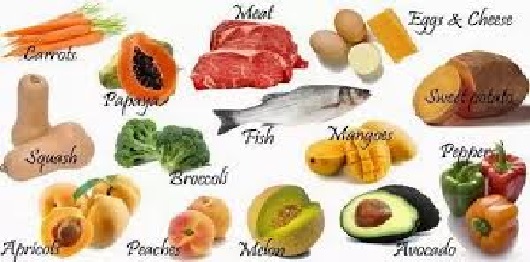
- Carotenes are found in: dark leafy vegetables, algae, red and yellow vegetables /tubers (E.g. carrots), red and orange fruits/flowers /juices, and is especially high in red palm oil (a common, strong-flavored cooking oil used in W. Africa), and is even up to 10 times higher in buriti palm oil.
Thoughts on the Edenic diet. Before the Great Flood, people had a vegetarian diet, however, there were certainly shepherds at this time, since Abel, son of Adam and Eve was one. In addition to sacrificing meat, we assume that people used the other sheep products, such as wool, milk and skins (we know God clothed Adam and Eve in animal skins in the garden of Eden). We surmise that man also availed himself of other animal products, such as cows’and goats’milk, butter, cream, cheese. These animal fats would therefore have provided the needed fat catalyst to effect carotene conversion.
Other carotene tidbits
- Both vitamin A and carotene content are reduced by cooking
- Carotenes do not convert to retinol when the body already contains sufficiently high levels
- FDA regulations currently allow product labels to list carotenes as vitamin A
- Approximately one third of the retinol in the American diet is derived from provitamin A carotenes
We can obtain vitamin A from fortified foods
Dietary vitamin A intake in the U.S. is an estimated 25% ß-carotene and 75% vitamin A (mainly from dairy products and synthetically fortified foods)
A synthetic vitamin A is usually added to low-fat/skim milk but not usually to whole milk – since vitamin A is naturally present in milk fat, more so from pastured cows, and survives pasteurization
Functions of vitamin A (retinol) in the body
- Sufficient vitamin A needed for mineral uptake / utilization of water-soluble vitamins;
- Antioxidant. Controls free radicals in body fats, and its presence in cod liver oil protects against lipid peroxide damage;
- Essential for good eyesight (retinal component). Vitamin A is called “retinol” because of its presence in the retina;
- Builds muscle
- Utilizes protein. Initiates gastric juice secretion; (High-protein diet depletes vitamin A. E.g. heavy meat-eating);
- “Beauty” Vitamin. Keeps the skin smooth and soft
- Improves growth in nutrient-deprived children
- Powerful inhibitor of prostate cancer
- Growth/repair of body tissues – used in cell division;
- Helps build strong bones/teeth, rich blood
- Protects mucous membranes of mouth / nose / throat / lungs / entire digestive tract / bladder / kidneys
- Immune system builder
- Vitamin A protects against possible dioxins and pesticides. A useful ingredient in cod liver oil;
- Reproduction. Necessary for sperm production. Used in cell division and differentiation (i.e. cell decides what it will be), and prenatal development (Aids RNA production); Prevents spontaneous abortion;
Vitamins A and D work together and must be present in BALANCED amounts
Vitamins A and D work hand-in-hand. Both protecting and supporting one another. Human studies not taking this into account produce skewed results, and animal studies show that evenmoderate amounts of vitamin D (from any source) increases the body’s need for vitamin A.
Signs of vitamin A (Retinol) deficiency
Vitamin A stores are rapidly DEPLETED by EXERCISE, FEVER and STRESS
Tell-tale signs of vitamin A deficiency
- Goose bumps on skin (mostly at back of upper arm);
- Night blindness;
Consequences of vitamin A deficiency
- Keratomalacia (severe nutritional deficiency, corneal ulceration, extreme eye dryness);
- Increased rate of infection
- Increase in mortality
- Advanced deficiency affects mucous membranes of respiratory /gastro-intestinal /genito-urinary tracts
- Deficiency in pregnancy causes malformations in baby – eye-defects, displaced kidneys, harelip, cleft palate, heart abnormalities, larger blood vessels.
How much vitamin A to take each day?
| Daily Dosages of Vitamin A | |
|---|---|
Children 3 months – 12 years -5000 IU Children over 12 years and adults -10,000 IU Pregnant/Nursing Women – 20,000 IU Under stress or treating disease condition -Up to 90,000 IU for several weeks | |
| Example Food Amounts of Vitamin A | |
| 3oz. Cooked beef liver – 30,325 IU | 3oz. Cooked chicken liver -13,920 IU |
| 1 tsp. Green Pastures®Cod Liver Oil -11,500 IU | 1 tsp. Radiant Life®Cod Liver Oil -10,000 IU |
| 3oz. Cooked kidneys (veal 569 IU, Beef = 0 IU) | 2 Tbsp. Heavy Cream -440 IU |
| 1 Tbsp. Butter -355 IU | 1 Cup Whole milk (3.25% fat) -249 IU |
| 1 oz. Cheddar cheese -300 IU | 1 large, fried egg -~335 IU |
| 2 oz. cottage cheese -184 IU | 1 Tbsp. low fat cream cheese -56 IU |
| 4 oz. low fat yogurt -58 IU | |
(as recommended by Weston A. Price Foundation)
Vitamin A toxicity reports have been distorted
Various studies seem to support the idea that dietary vitamin A contributes to an increased risk of bone fracture and birth defects, even at low doses.
These alarming study results did not:
- Take into account the need for concurrent balanced vitamin D intake. The evidence suggests that the negative effects of excess vitamin A are actually the consequence of a vitamin D deficiency. When a basic level of vitamin D is provided to balance adequate vitamin A intake (as found in high-vitamin cod liver oil), as well as other nutrients, we exhibit optimum skeletal health, including improved bone mineral density.
Differentiate between using natural or synthesized vitamin A. To promote healthy development of her baby, it used to be that a pregnant mother was generally advised to eat a portion of cooked beef liver once a week, which contains ~35,000 IU vitamin A.And yet, a moderate dose of 10,000 IU or more of a synthetic version, such as water-soluble, solidified, emulsified retinyl palmitate, seems to negatively affect embryonic development.It should be emphasized that research shows that an appropriate, smaller dose of even synthetic vitamin A supplementation prevents birth defects, blindness and protein deficiency disease (since the body can not utilize dietary protein without vitamin A).
Dr. Weston Price discovered that butterfat from grass-eating animals protects against vitamin A toxicity.
For more information on vitamin A studies, please read article by Chris Masterjohn of Weston A. Price Foundation at: Link