
Attend to diet, lifestyle & emotional state:

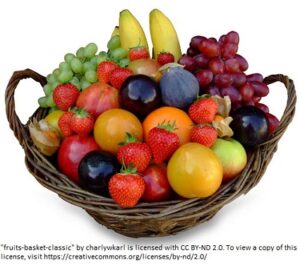
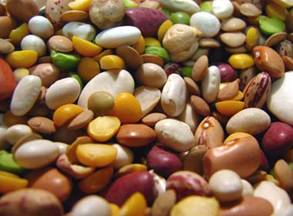
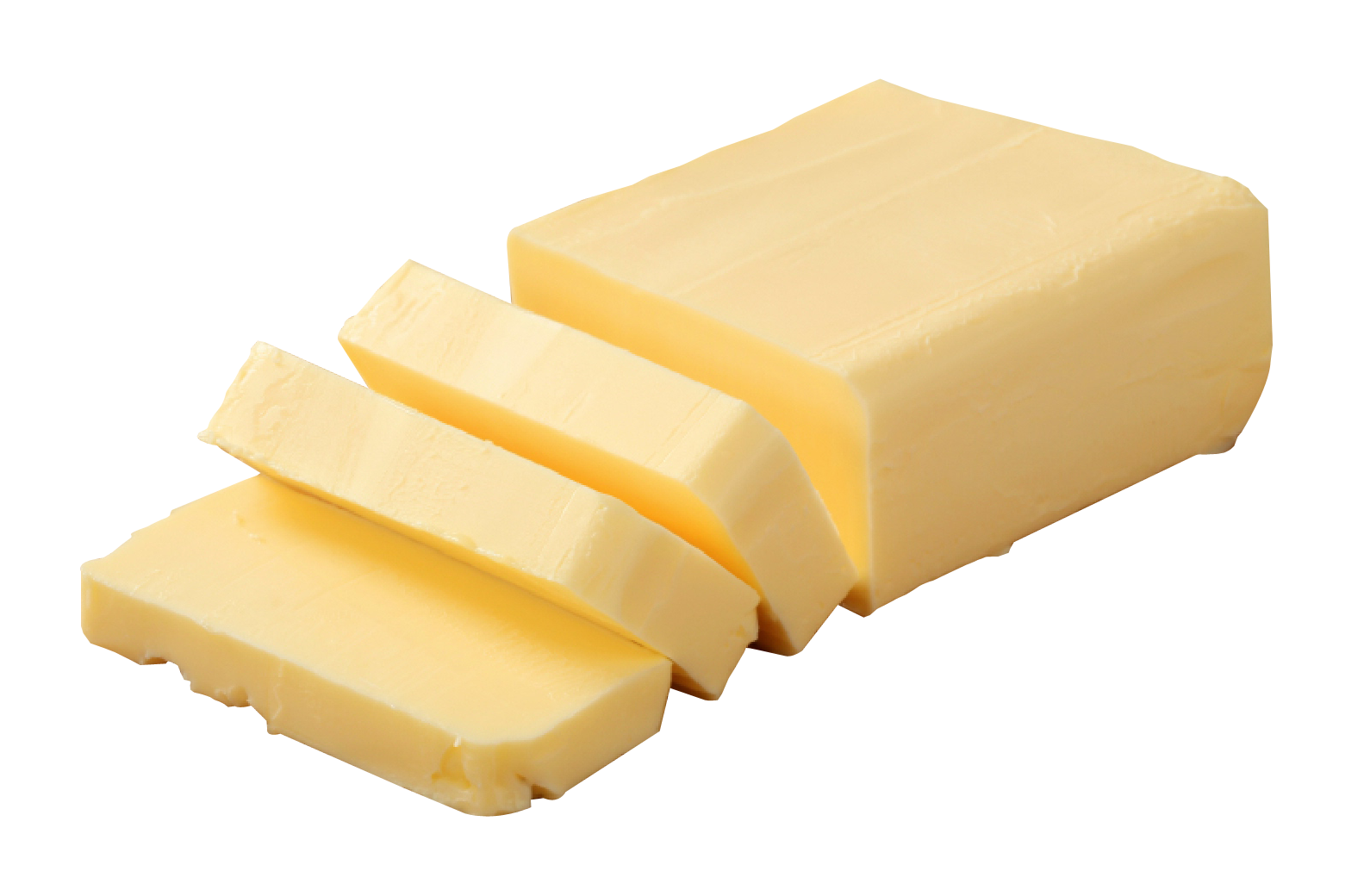
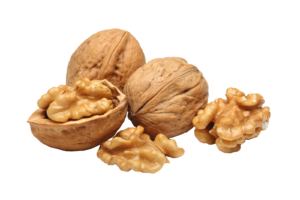
Nutrition  

Exercise

 Water

Sun

Thoughts  

     Air

Rest

Trust

Sex

Leaf logo

Health Happening    

‘No-brainers’ 💡 for Physical / Mental Health: Magnesium, Omega-3 , C, D, Iodine in “Make-it-Happen” smoothie
Red apple clipart

Milk processing methods - Pasteurization and homogenization

Pasteurization

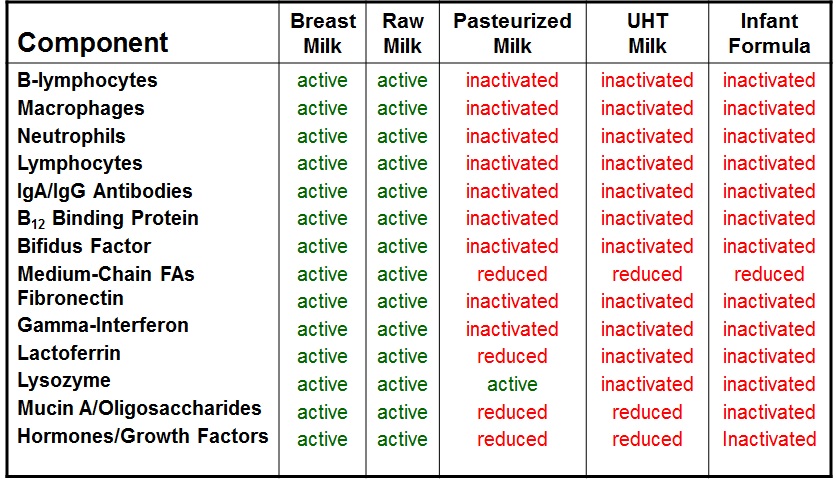
Unfortunately, standard HTST and UHT pasteurization destroys enzymes, denatures proteins, kills beneficial bacteria, reduces some vitamins (viz: B2, B12, C and E) and inactivates immune factors that naturally protect the milk from spoilage

Pasteurization is unnecessary

With today’s modern milking machines, temperature-controlled, stainless-steel holding tanks, efficient distribution, sanitary packaging and government inspected production, pasteurization is simply not necessary.

Try to find good raw milk in preference to even low-heat pasteurized milk

There are differences between pasteurization methods

All methods of pasteurization heat the milk, but at different temperatures for different amounts of times and the type and degree of packaging sterilization used affect spoilage / shelf life / sell-by-dates and consumption safety by reducing or eliminating bacterial activity.

MILK
PASTEURIZATION
PROCESS
LABELTEMPTIMEEXPIRATION BEFORE OPENING
(All 5 days after opening)
COMMENTSEXAMPLE PRODUCTS
Vat PasteurizationVat or Batch Pasteurized145°F30 mins~2-2½ weeksBest choice if you can’t obtain raw milk.
All milk was orignally pasteurized by this method; proteins stay intact; retains most of the beneficial enzymes. 
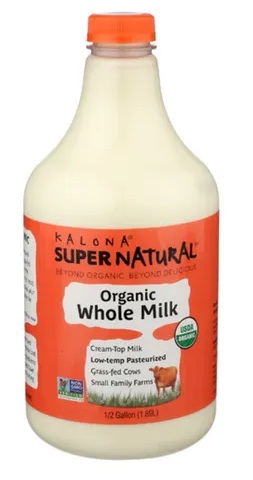
Kalona Supernatural ™ (also organic, grass-fed, NON-HOMOGENIZED)
High Temp Short Time HTST)Pasteurized
Most milk in the grocery store.
161°F15 secs16-21 daysMilk flows continuously through a series of thin metal plates that are heated by hot water. Removes microorganisms; destroys enzymes;  some vitamins remain*; denatures proteins, difficult to digest, but better protein utilization than UHT**Natural by Nature® (also from grass-fed cows)
Ultra High Temperature (UHT)Ultrapasteurized280°Fminimum
2 secs
~70 daysSterilized  / cooled rapidly. Damages vitamins; Denatures proteins (difficult to digest);  Targets relatively benign microorganisms left by lower pasteurization temperatures, which can sour improperly stored milk. Cornell University, Dept of Food Science. Some say it tastes “burnt”. Organic Valley Grassmilk®
Ultra High Temperature (UHT)Aseptic
“Long lasting”
280°Fminimum
2 secs
Unrefrigerated up to 6 months (not exactly “fresh”)Basically same as UHT above, but with sterile processing environment and packaging (treated with hydrogen peroxide to prevent contamination); 

*HTST has been confirmed to preserve vitamin C, thiamin and riboflavin.  Holmes AD et al, Effect of HTST Pasteurization on the ascorbic acid, riboflavin and thiamin content of milk, 1944

**Humans can better utilize postmeal proteins from HTST milk than higher-temp-processed ultra-pasteurized (UHT) milk. Journal of Nutrition 2008;


Unfortunately, standard HTST and UHT pasteurization destroys enzymes, denatures proteins, kills beneficial bacteria, reduces some vitamins insulin(viz: B2, B12, C and E) and inactivates immune factors that naturally protect the milk from spoilage

Standard HTST pasteurization destroys or significantly reduces nutrients in milk

Food for thought . . . a calf cannot thrive on just pasteurized cow’s milk

  • Immune factors inherently present in the milk.  An important loss that is often overlooked; e.g. pasteurization reduces SIgA, an immunoglobulin that naturally binds potentially inflammatory lectins.  Biol Neonate 1991;59(3):121-5 Davin JC et al
  • Immunoglobulin antibodies. The high lectin-binding capacity of human secretory IgA  nonspecifically protects mucosae against environmental antigens.
1. Scientific American,December 1995.    2. The Lancet, 17 Nov 1984; 2(8412):1111-1113
  • Beneficial enzymes. Needed to digest milk ingredients, such as phosphatase to metabolize calcium, lipase to digest and utilize butterfat,and lactase to break down lactose (milk sugar). Many people with a lactose intolerance, do not have this problem drinking raw milk. An extra stress is put on the pancreas in an attempt to replace the destroyed digestive enzymes. With insufficient enzymes, weak or incomplete digestion results, which can manifest itself in various degenerative diseases seen today;
  • Proteins – Pasteurization denatures milk’s fragile amino acids, making lysine and tyrosine less available; destroys amino acid precursors for body’s “in-house” production of glutathione -the primary antioxidant inside all cells;
  • Good Bacteria – thereby promoting the growth of pathogens – not all bacteria are bad, some such as lactobacillus and acidophilus, will actually fight off any bad bacteria present in the milk, and promote healthy bacteria in your intestine. Pasteurization kills both good and bad bacteria.

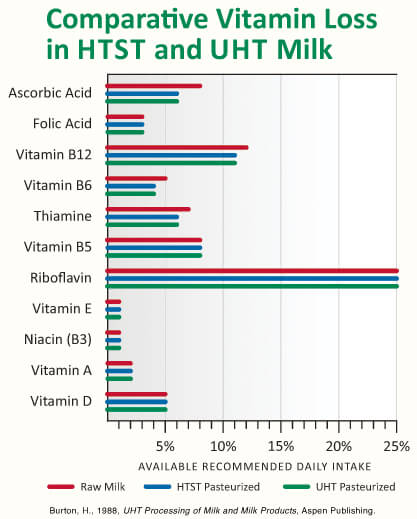
Vitamin losses due to pasteurization are not that significant (according to the following chart):

Several early 1900’s studies realized higher vitamin losses in milk after pasteurization – here’s just a few:

  • Loss of Vitamin C.   Loss of ~19% vitamin C was found when milk was pasteurized for 30 mins @ 55°F;  However, “. . .The pasteurization of milk has been found to destroy 20-50% (of the vitamin C ), the fraction that has undergone irreversible oxidation) . . .”    Bastedo WA (1938)
  • Children develop scurvy after only 6 months of drinking pasteurized milk, if not supplemented with vitamin C.    Hess AF (1917)
  • Loss of B-Complex vitamins: B1 (thiamine), B2 (riboflavin), B3 (niacin), B6 (pyridoxine), B12 (cobalamin), folic acid, pantothenic acid, and biotinHolmes AD et al, “A study of breed and seasonal variations. . .”, 1939

Synthetic Vitamin D  is added to milk – as synthesized vitamin D2 (Toxic to the liver) or D3 (Preferred form produced in sun-exposed skin of humans and most non-feathered or non-furry animals) to supplement low levels, consequential to indoor farming methods.

The history of milk pasteurization

in 1864, French scientist Louis Pasteur invented a heat treatment process to kill microbes.  Pasteur discovered that microbes were responsible for souring wine and beer.

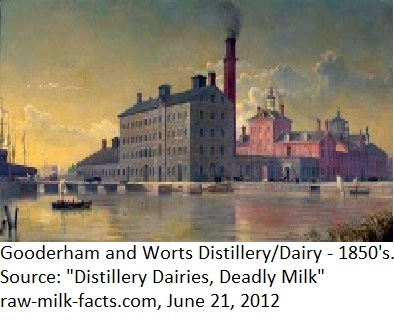
U.S. Distillery Dairies produced contaminated milk (1840-1920’s).  In the U.S., the early 19th century saw the growth of whiskey and other alcohol distilleries producing large amounts of spent-grains, called swill.  To dispose of this by-product, many distilleries opened dairies and fed their cows with this low nutritional content, waste swill, leading to sickness in the cows and the humans who drank their milk. 

 “Confined to filthy, manure-filled pens, the unfortunate cows gave a pale, bluish milk so poor in quality, it couldn’t even be used for making butter or cheese.” Raw-milk-facts.com

Milk pasteurization was promoted in developed countries in the early 20th century.    In the 1940’s, the U’S  government mandated that milk sold for human consumption must be pasteurized. However, individual states can adopt their own laws allowing the sale of raw milk and its products, but it can not be sold across state lines.

Milk from dairy farms is transported to processing plants to be pasteurized within a few days of milking.  The purpose of pasteurization is to reduce/remove harmful bacterial presence. This prevents spoilage/extends shelf life and reduces bacterial contamination related to certain diseases, including tuberculosis, brucellosis, diptheria, typhoid fever, scarlet fever and food poisoning from pathogenic bacteria such as Salmonella, E. coli, Campylobacter and Listeria.

In the U.S., the standard high temperature/short time (HTST) pasteurization method heats milk to at least 161°F for 15 seconds or more.    Milk is heated high enough and long enough to destroy a specific enzyme in the milk (phosphatase), at which point it is determined that many of the pathogenic bacteria are also dead.

Milk pasteurization was introduced into Western civilizations to reduce bacterial contamination of milk due to poor conditions in some farms and dairies.   Instead of setting up a system to inspect the cleanliness of the production environment, it was decided that the milk should be sterilized.

Unfortunately, standard HTST and UHT pasteurization destroys enzymes, denatures proteins, kills beneficial bacteria, reduces some vitamins (viz: B2, B12, C and E) and inactivates immune factors that naturally protect the milk from spoilage

Homogenized Milk

Best explained by Kalona Supernatural™ products, which are not homogenized

 After it sits for 12- 24 hours, fresh NON-HOMOGENIZED milk separates into a layer of light, high- fat cream (sometimes called the “cream top”) and a much larger, more dense layer of low- fat milk.  Homogenization is a mechanical process that transforms the two, separate components of whole fresh milk- cream and low- fat milk- into one smooth beverage.  To accomplish this, fresh milk is heated and pumped through tiny nozzles at high pressure.  The pressure tears the fat globules of the cream into tiny particles, which then disperse evenly throughout the low- fat milk.  These tiny fat particles are extremely susceptible to rancidity, but pasteurization prevents homogenized milk from spoiling.

Homogenization is not necessary for any food safety reason and destroys the sweet, creamy taste of fresh milk and alters its molecular structure. When non- homogenized the cream in milk naturally floats to the top and thickens and can be skimmedt off or shakent into the milk.

When homogenized milk was introduced in the early 20th century, consumers did not buy it because it was missing the chief sign of high quality milk: a thick layer of cream on top.  One historian notes that it was not until after World War II, when opaque milk cartons were introduced to the market (and home delivery of glass bottles dwindled) that homogenized milk became the dominant form of milk consumed in the U.S.

Prior to homogenization, the cream content in whole milk was random, and varied from 3% to 8% or more.  But homogenization introduced a definition of whole milk that established the minimum cream content (which soon became the standard cream content) at 3.25%.  This allowed milk processors to use the “extra” cream in other products, such as butter.

Non- homogenized milk also has a naturally sweeter flavor than homogenized milk because whole cream has a silky texture that is lost when the fat globules are broken apart.

Organic Kalona Supernatural™ products are among the most natural and nutritious dairy products on the market. 

  • Their milk comes from small, sustainable farms with average herds of 35 cows. They process their milk at the lowest temperature possible to retain a fresh taste
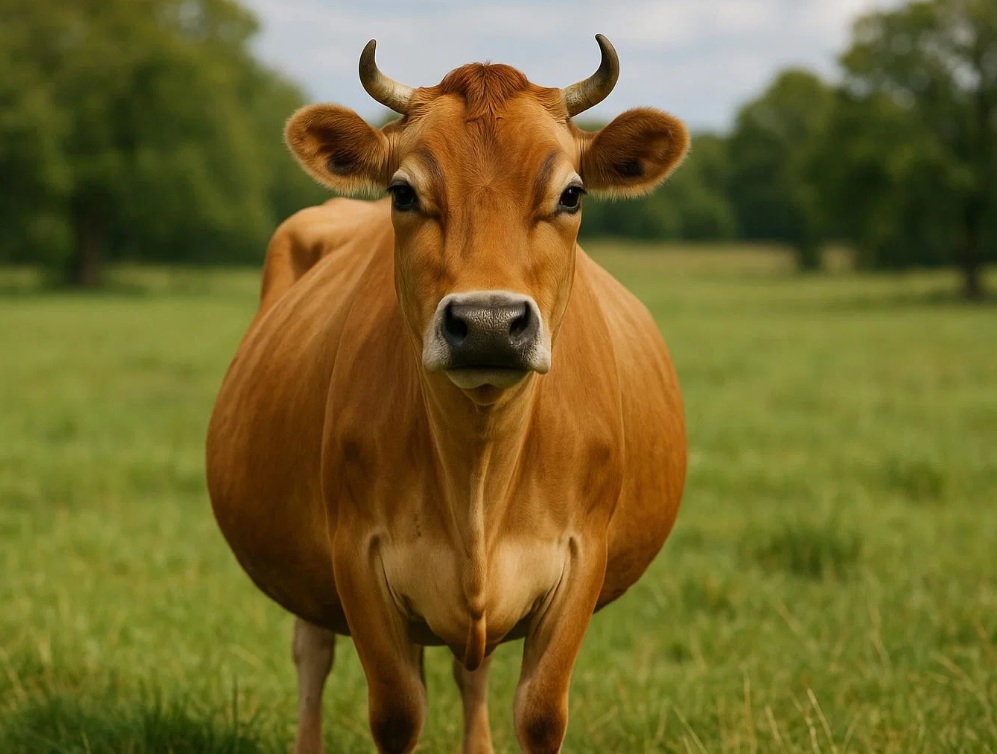
  • Cows fed organic food – mostly grass.  Their cows eat a complex diet of native and managed plants and grasses that changes throughout the seasons.  Much of the year, the herds harvest their own feed from the farms’ pastures, choosing different feed depending on the weather, the cow’shealth, the land on the farm, how close the cow is to giving birth, and the time of year. Pastures may contain just one or two, or up to dozens of species of plants and grasses.  Thus, the cows’ diets range from fresh pasture grasses such as indiangrass or switchgrass in early summer, to orchardgrass, ryegrass, or clover in mid- summer.  Most surprising cow food choice in fall?  Turnips! During the winter months when the ground is frozen solid in the Midwest, cows are fed with stored forage, typically grown on the farm or purchased from nearby farms.  Depending on the farmer and the situation, winter feed may include one, some, or all of the following organic foods:  roasted soybeans (for protein); corn (for energy); barley, hay, haylage, baleage, silage, or wheat.
  • No added horomones

References

Bastedo WA,  Materia, medica, Pharmacology, Therapeutics and Prescription Writing, Fourth edition, Reset, Page 78, WB Saunders Co, Philadelphia1938 Hess AF, Infantile Scurvy, V.A. study of its Pathogenesis, Am J. Dis. Child, Nov. 1917

Electrotherapy

The Medical Kit of the Future

  • Detoxifies
  • Boosts immune system / cellular energy
  • Anti-inflammatory / Pain-relief
  • Aids sleep / Reduces stress
  • Accelerates healing of tissue, bone, muscles, scars
  • Improves circulation +++

Successful electrotherapies

Dairy-related