
Attend to diet, lifestyle & emotional state:

Nutrition  

Exercise

 Water

Sun

Thoughts  

     Air

Rest

Trust

Sex

Leaf logo

Health Happening    

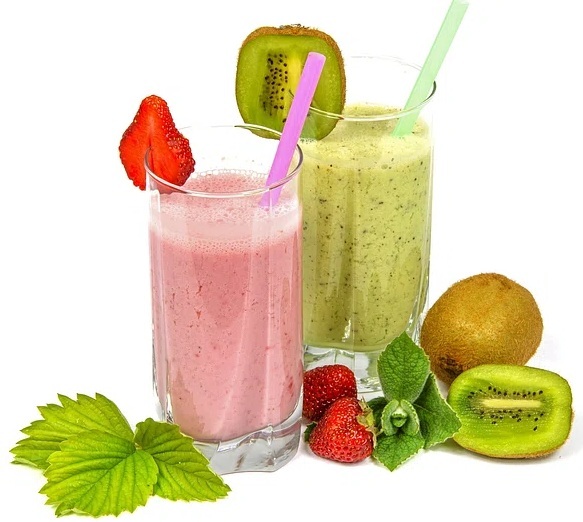
‘No-brainers’ 💡 for Physical / Mental Health: Magnesium, Omega-3 , C, D, Iodine in “Make-it-Happen” smoothie
Red apple clipart

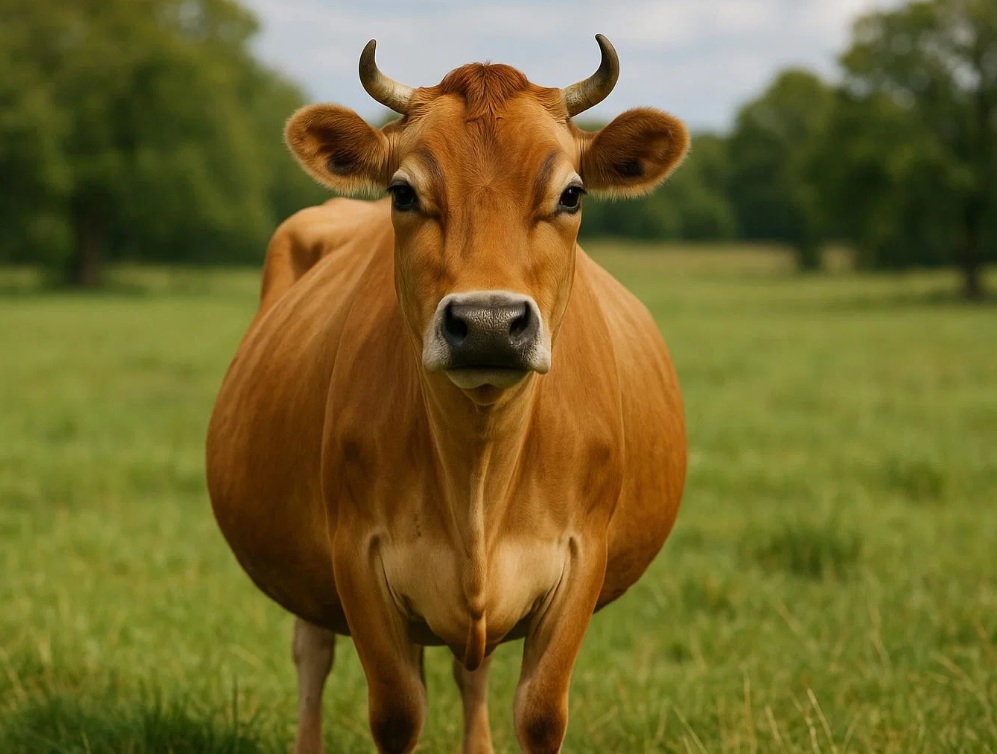
Raw / natural milk - is it safe to drink? . . .  Simply the best choice if obtained from healthy, grass-fed cows monitored for a reasonably clean environment

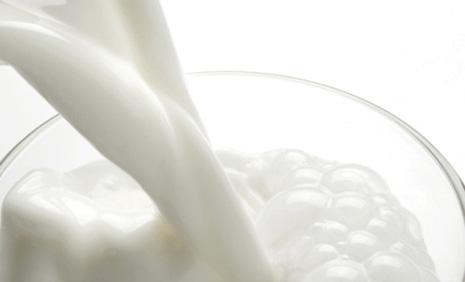
RAW milk (i.e. natural milk) is a COMPLETE food.

Raw milk is rich in protein, vitamins / minerals, and enzymes necessary to digest milk. One could live exclusively on clean, raw milk, if necessary, since it contains:
  • More than 60 digestive enzymes – essential for a healthy digestive system, including those required to digest the milk itself, and which are destroyed by pasteurization – making the milk harder to digest; pasteurization also destroys phosphatase, an enzyme that helps your bones absorb calcium. Do you see the irony here?
  • Growth factors and immunoglobulins (i.e. antibodies)
  • Beneficial raw fats – Amino acids / proteins – in bioavailable / 100% digestible form in raw milk are denatured by pasteurization.   Even more so when milk is ultrapasteurized compared to standard HTST method;
  • Vitamins A, B, C, D, E and K – in highly bioavailable form
  • MInerals.    Balanced content, including calcium, magnesium, phosphorus and iron; and their absorption is enhanced by the live lactobacilli in the raw milk;
  • Good bacteria –  Raw milk contains beneficial lactic acid-producing bacteria that protect against pathogens (such as harmful bacteria).  Unfortunately, the inherently protective organisms are destroyed by pasteurization, as are the beneficial bacteria which naturally sour the milk. These organisms produce a clabbered milk typically consumed by most of the world’s population. Without these bacteria, pasteurized milk simply putrefies as it ages.  Disease-causing bacteria in milk are largely a result of industrial farming practices.  These may lead to disease-riddled animals and contaminated milk. The milk from clean, healthy cows does not need pasteurizing. Factory farmed animals are raised in concentrated feedlots rife with dangerous bacteria and viruses. They are also fed an unnatural grain diet, which creates a much higher level of acidity in the animal’s stomach needed for E. coli bacteria to survive
Health- food advocate, Dr. Joseph Mercola, reported in 2010 that:  “Mark McAfee, owner of Organic Pastures, the largest raw dairy in the United States, performed the following test: He inoculated pathogenic contaminants such as E. coli, Listeria and Salmonella into his raw milk, and into pasteurized milk. In the raw milk, none of the pathogens survived because the natural bacteria were able to protect the milk. In the pasteurized milk, however – – in which the bacteria and enzymes have been destroyed – – the pathogens were able to take over. In the raw milk, none of the pathogens survived because the natural bacteria were able to protect the milk. In the pasteurized milk, however – – in which the bacteria and enzymes have been destroyed – – the pathogens were able to take over.  To think that pasteurized milk is safer (even if you don’t believe it’s healthier) than raw milk from a healthy, grass- fed cow is simply not true.”
 
  • Raw milk boosts body’s “in- house” production of the antioxidant glutathione.    Raw milk, and also whey, raw eggs, and uncooked meat, contain the pre-cursor amino acids for production of glutathione, one of the body’s most powerful antioxidants protecting every one of your cells and their mitochondria from oxidative and peroxidative damageThese amino acids are almost entirely absent in pasteurized dairy products. Different to other antioxidants, glutathione is actually inside the cells. It also maximizes the activity of all the other antioxidants, including vitamins and E, CoQ10, alpha lipoic acid, and those in fresh fruits and veggies. The aging process reduces your body’s ability to produce glutathione.

Is raw milk safe to drink?

A calf thrives suckling on its mother’s manure-covered teat.    Raw milk inherently contains protective systems that can reduce or eliminate populations of pathogenic bacteria.

Yes, raw milk is safe under the following conditions:

  • From pasture-fed cows (not CAFOs).  Under extreme, unhygienic conditions in confined animal farming operations, the multiple anti-microbial components of raw milk may be overwhelmed.
  • Full fat
  • Cows free of TB and undulant fever
  • Produced under sanitary conditions
  • Immediately placed in cold storage
  • Regularly tested for somatic cell count and pathogens

Fivefold protective system in raw milk

  1. Raw milk kills pathogens in milk
  2. Stimulates the Immune system.
  3. Builds healthy gut wall.
  4. Prevents absorption of pathogens and toxins in the gut.
  5. Ensures assimilation of all the nutrients.

In 1938, researchers noted that heating milk supports the growth of harmful bacteria by inactivating factors that inhibit bacterial growth.  Reference    Dold H et al (1938)

Specific built-in protective systems in raw milk

Lactoperoxidase

  • Uses small amounts of H2O2 and free radicals to seek out and destroy bad bacteria1
  • Found in all mammalian secretions.    Breast milk, tears, saliva, etc.
  • Levels are 10 times higher in goat milk than in breast milk3
  • Other countries are looking into using lactoperoxidase instead of pasteurization.    Both to ensure safety of commercial milk as well as for preserving other foods

1. Indian J Exp Biology, 1998;36: 808-810,   2. British J Nutrition, 2000;84(Suppl. 1.): S19-S25,    3. J Dairy Sci, 1991;74:783-787.    4. Life Sciences, 2000;66(25):2433-2439      5. Trends in Food Science & Technology 16 (2005) 137-154

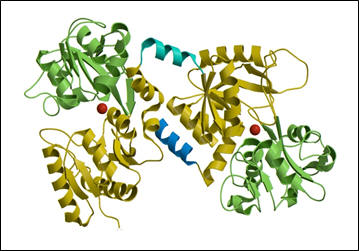
Lactoferrin (sold as a supplement)

  • Plentiful in raw milk.   Effectiveness greatly reduced by pasteurization1
  • Steals iron away from pathogens.   Carries it through the gut wall into the blood stream;
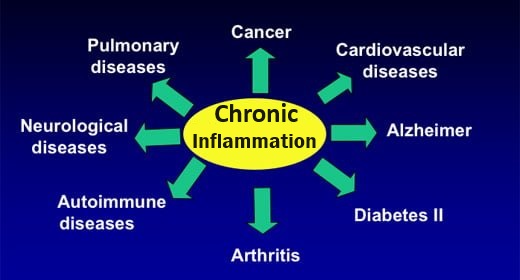
  • Has anti-inflammatory properties;
  • Stimulates the immune system   British J Nutrition, 2000;84(Suppl. 1):S11-S17; JACN 2001 20(5):389S-395S.
  • Kills wide range of pathogens including viruses.    However, it does not kill beneficial bacteria.  Zimecki and Kruzel. J Exp Ther Oncol. 2007;6(2):89-106; International Dairy Journal 2006 16:1252-1261
  • Treatment with lactoferrin significantly reduced the burden of tuberculosis organisms – In a study involving mice bred to be susceptible to tuberculosis,   J Experimental Med, 2002 DEC 02;196(11):1507-1513.
  •  Mice injected with Candida albicans, another iron-loving organism, had increased survival time when treated with lactoferrin.  Infection and Immunity, 2001 JUN;69(6):3883-3890.
  • Believed to cut visceral fat levels by as much as 40%.   MSN-Mainichi Daily News, 2007 APR 11.
  • FDA approved for use in anti-microbial spray.    To combat E. coli O157:H7 contamination in meat industry! FDA News, August 22, 2004
  • Many other health benefits. 

Blood Components

  • Leukocytes.    Eat all foreign bacteria, yeast and molds (phagocytosis). Destroyed at 56C and by pumping milk. Produce H2O2to activate the lacto-peroxidase system. Produce anaerobic CO2 that blocks all aerobic microbes. Basis of immunity.
  • B-lymphocytes.   Kill foreign bacteria; call in other parts of the immune system1,2
  • Macrophages.   Engulf foreign proteins and bacteria2
  • Neutrophils.   Kill infected cells; mobilize other parts of the immune system1
  • T-lymphocytes.   Multiply if bad bacteria are present; produce immune-strengthening compounds1
  • Immunoglobulins (IgM, IgA, IgG1, IgG2).   Transfer of immunity from cow to calf/person in milk and especially colostrum; provides “passive immunization”2
  • Antibodies.    Bind to foreign microbes and prevent them from migrating outside the gut; initiate immune response.

1. Scientific American, December 1995.      2. British J of Nutrition, 2000:84(Suppl. 1):S3-S10, S75-S80, S81-S89, S135-136.

Fats and Carbohydrates

  • Polysaccharides.    Encourage the growth of good bacteria in the gut; protect the gut wall
  • Oligosaccharides.   Protect other components from being destroyed by stomach acids and enzymes; bind to bacteria and prevent them from attaching to the gut lining; other functions just being discovered.  British J Nutrition, 2000:84(Suppl. 1):S3-S10.   Scientific American, December 1995.
  • Medium-Chain Fatty Acids.    Disrupt cell walls of bad bacteria; levels so high in goat milk that the test for the presence of antibiotics had to be changed; may reduce intestinal injury and protect the liver. International Dairy Journal 2006 16:1374-1382 and 1362-1373
  • Phospholipids and Spingolipids.   Bind to intestinal cells, prevent absorption of pathogens and toxins.  Koopman, J S, et al (1984) & Spingolipids are important components in cell membranes, protect cells against toxins, support digestion and protect against cancer.

Other Bioactive Components

  • Enzymes.   e.g. Complement & Lysozyme—Disrupt bacterial cell walls. Complement destroyed at 56C; Lysozyme at 90C.1,2
  • Hormones & Growth Factors.   Stimulate maturation of gut cells; prevent “leaky” gut.2
  • Mucins.   Adhere to bacteria and viruses, preventing those organisms from attaching to the mucosa and causing disease.1,2
  • Fibronectin.   Increases anti-microbial activity of macrophages and helps to repair damaged tissues.1
  • Glycomacropeptide.     Inhibits bacterial/viral adhesion, suppresses gastric secretion, and promotes bifido-bacterial growth; supports immune system. 3
  • Beneficial Bacteria.   Lactobacilli and bifidus bacteria, crowd out bad bacteria, product lactic acid that kills bad bacteria.
  • Bifidus Factor.    Promotes growth of Lactobacillus bifidus, a helpful bacteria in a baby’sgut, which helps crowd out dangerous germs4,5
  • B12 Binding Protein.  Reduces Vitamin B12 in the colon, which harmful bacteria need for growth4
  • Lactoglobulins.    Carry vitamins A and D and possibly other nutrients.5

1. British J Nutrition, 2000:84(Suppl. 1):S3-S10.   2. Scientific American, December 1995   3. British J Nutrition, 2000:84(Suppl. 1):S3-S10, S39-S46   4. Scientific American, December 1995   5. FEBS Journal 2009 276:2251-2265.

Tests show that raw milk kills pathogens in milk

The healthy human body lives in symbiotic relationship with microorganisms.

The following tests revealed that raw milk reduces pathogenic bacteria in or added to the milk:

Raw Milk Challenge Test I   Applied and Environmental Microbiology, 1982;44(5):1154-58

  • Large amounts of Campylobacter (an amount found in 20,000 grams manure) added to chilled raw milk (4°C):
  • Most strains showed a dramatic decline
  • Day 0 = 13,000,000/ml
  • Day 9 = less than 10/ml
  • The only stain that did not decline was a non-human strain.

Raw Milk Challenge Test II   Mikrobiyolji Bul ,1987:21(3):200-5

  • Campylobacter in raw milk at body temperature (37°C):
  • Bovine strains decreased by 100 cells/ml in 48 hrs.
  • Poultry strains decreased by 10,000 cells/ml in 48 hrs.
  • The protective components worked more quickly to reduce levels of pathogens in warm milk than in chilled milk.

Raw Milk Challenge Test III

  • Lactoperoxidase in raw milk kills added fungal and bacterial agents  Life Sciences, 2000;66(25):2433-9.  Indian J Experimental Biology, 1998;36:808-10.
  • Raw goat milk kills Campylobacter jejuni in a challenge test    J. Food Protection,63: 916-920.

Raw Milk Challenge Test IV

  • Seven strains of E. coli O157:H7 in amounts of 1 million/ml added to raw milk. The pathogen failed to grow and died off gradually.1
  • L. mono added to raw milk at 98.6°F. After 56 hours, no viable cells of L. mono were detectible.2
  • “The growth of Staph. Aureus, S. Enteritidis and L. monocytogenes in raw milk at 99°C was reduced markedly compared to the growth of these organisms in pasteurized milk.”3
  • Five strains of E. coli O157:H7 did not grow at 41°F and decreased over days.4

Raw Milk Challenge Test V   McAffee, M. Unpublished data.

  • BSK Food & Dairy Laboratories (2002) inoculated raw colostrum and raw milk samples at 40°F from Organic Pastures Dairy (Fresno, California) with a cocktail containing 2.4 million Salmonella, 9.2 million E. coli O157:H7 and 8.1 million Listeria monocytogenes (these huge amounts are a very unlikely occurrence in a real-life situation).
  • Yet even with these huge amounts, pathogen counts declined over time and in some cases were undetectable within a week.
  • E.coli O157:H7 did increase slightly after a seven-days decline, possibly due to exhaustion of anti-microbial components in the milk.
  • The laboratory concluded: “Raw colostrum and raw milk do not appear to support the growth of SalmonellaE. coli O157:H7 or Listeria monocytogenes.”

Coliforms in raw milk inhibit pathogen growth

Coliform bacteria ferment lactose into lactic-acid.   Coliforms are not necessarily pathogens

With few exceptions, coliforms are not considered to be a health risk.  “. . . these rod-shaped bacteria are found everywhere in the environment, including the gut, the feces, soil, water and plants. However, ” . . . they can be considered normal inhabitants of many soil and water environments that have not been impacted by fecal pollution”

“. . . Research results have shown that total coliforms may not be an appropriate bacterial indicator of fecal pollution.”

“. . . Significant concentrations of coliforms in distribution systems do not represent a health risk to water consumers.”

Stevens and others. Review of Coliforms, Australian Government, 10-11 April 2003

Four main groups: E.coli, Kiebsiella, Enterobacter, Citrobacter.

  • Enterococci (considered “virulent” and/or “antibiotic resistant” in hospitals) inhibit pathogens such as Listeria in raw feta cheese. eurekalert.org, April, 2008
  • Lactobacillus and staphylococcus produce bacteriocins against L. Monocytogenes and are sold as commercial starters to control Listeria.  Hull. Australian Journal of Dairy Technology Aug 2007;62(2):100-102
  • Staphylococci Streptococci Lactobacillis and Ent. faecalis in raw human milk inhibit pathogenic Staph aureus .  Heikkila and Saris. J Appl Microbiology 2003,95, 471-478

How to obtain raw milk?

Some states allow the purchase of raw milk at the farm.    However, be sure to check out the hygiene protocol in the farm’s milking parlor. By executive order, it is forbidden to transport raw milk across state lines. In Florida, raw milk can only be bought when labeled “For Pet Consumption Only”  – – – meowwww! 🙂 In reality, raw milk is hard to come by, unless you know a farmer, who pastures his animals, uses good milking hygiene, and who is willing to sell you raw milk, or you can join a co- op and own part of a cow (hopefully the milk- producing part!). Raw milk can even be shipped frozen from California if you can afford the delivery costs (de- thawing affects milk consistency a little). Health food stores usually have more organic and grass- fed offerings, and sometimes even raw milk for your “pets”

Locate a raw milk source near you at Campaign for Real Milk.

Find out the legal status of raw milk in the U.S. state or other country where you live.

References

H. Dold, E.Wizaman, C. Kleiner, Antiseptic in Milk, The Drug and Cosmetic Industry , July 1938:43:1.-109

Koopman, J S, et al, Spingolipids and Cancer, scitopics.com; AJPH, 1984, 74:12:1371-1373

Electrotherapy

The Medical Kit of the Future

  • Detoxifies
  • Boosts immune system / cellular energy
  • Anti-inflammatory / Pain-relief
  • Aids sleep / Reduces stress
  • Accelerates healing of tissue, bone, muscles, scars
  • Improves circulation +++

Successful electrotherapies

Dairy-related