






Attend to diet, lifestyle & emotional state:

Nutrition  

Exercise

 Water

Sun

Thoughts  

     Air

Rest

Trust

Sex

Leaf logo

Health Happening    

‘No-brainers’ 💡 for Physical / Mental Health: Magnesium, Omega-3 , C, D, Iodine in “Make-it-Happen” smoothie

Cardiovascular Disease (CVD)

"Cardiovascular DIY Fix" -♪"How can you mend a broken heart?"♪♫

Types of ischaemic CVD (consequence of a reduced blood supply) include:  Coronary heart disease (CHD), high blood pressure, high cholesterol, heart attack, thrombosis / embolism and angina, stroke and hemorrhagic burst

WARNING: DO NOT REMOVE ATHEROSCLEROTIC PLAQUE UNTIL YOU HAVE DEALT WITH THE CAUSE OF DAMAGE AND STRENGTHENED YOUR ARTERIES

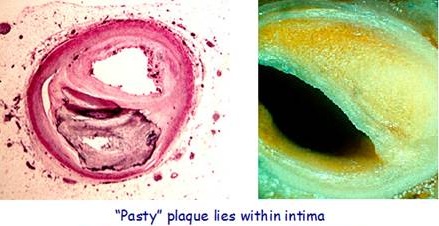
Using cholesterol-lowering drugs (or any other mechanism) to remove cholesterol content from arterial plaque before rebuilding the arterial walls is acting against your body’s own survival tactic. If you are not getting enough vitamin C to produce sufficient collagen to maintain the integrity of your arteries, then the atherosclerotic plaque “repair patch” (containing Lp(a) and LDL cholesterol) is saving your life! Lowering cholesterol will somewhat reduce plaque build-up, but simply removing plaque without first restoring the artery to health is like tearing a scab off a wound.Your body first needs sufficient vitamin C to heal and strengthen your arterial walls.

An holistic plan

The overall concept of this DIY plan to cure ischaemic cardiovascular disease is simple enough:

  1. Stop damaging your artery walls
  2. Repair and strengthen your artery walls

Achieving these 2 goals will allow your body to remove the plaque build-up reducing blood-flow inside your artery walls, that it laid down as an inflammatory response to damage caused by various offending mechanisms, as a temporary repair measure to prevent you from bleeding out.

1. Stop damaging your arterial walls

This requires a dedicated, all-around approach to attend to factors contributing to the chronic damage / inflammation of your arterial walls.

And FYI:- Cholesterol and saturated fat are NOT the “Darth Vader” of ischaemic CVD

  • Follow NEWSTARTS plan. Attend to diet, lifestyle and emotional state – Nutrition, Exercise, Water, Sunlight, Thoughts, Air (oxygen), Rest, Trust God, Sex.
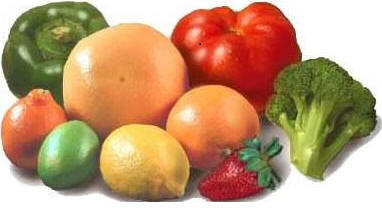
  • Consume sufficient dietary antioxidants. Mainly vitamins A, C, D, E, K, and CoQ10, also phytonutrient polyphenols and carotenoids in fruits and vegetables. These are used to counter damaging oxidants from all sources. Antioxidant-supporting trace minerals include selenium (in brazil nuts), zinc (in pumpkin seeds), manganese, copper, iron. Eat more of the anti-inflammatory, antioxidant-rich fresh fruits / vegetables and polyphenol-rich spices (ginger, cinnamon, garlic, turmeric, red pepper).
  • Consume more omega-3 fat.   Today’s “Holy Grail” of health. Anti-inflammatory O3 from oily fish, fish oil supplements, flax or chia seed, walnuts;
  • Add omega-6 GLA fats from evening primrose, blackcurrant or borage oil) provides anti-inflammatory DGLA fat
  • Avoid Body “invaders”   Infective microbes, toxins from various sources (pesticides, herbicides, smoking, drugs, artificial sweeteners etc.) unnatural electromagnetic fields, chlorinated water +++
  • Avoid Toxic fats.  Especially found in processed foods, restaurant fare, and typical grocery-store unsaturated vegetable oils, more so when used for frying.
  • Reduce sugar intake.  Glycation occurs when sugar reacts with proteins or fats in the bloodstream forming damaging AGE’s (Advanced glycation end-products), involved in many diseases.  
  • Minimize meat / dairy consumption.  Homocysteine (amino acid abundant in red meat and dairy products, especially cheese) is worsened by B-vitamin deficiency, particularly B6, B9 and B12.
  • Avoid An overly-acid-forming diet.   Vegetables and fruit are mostly alkaline-forming (especially watermelon and lemons!) Meat, dairy, nuts, alcohol are mostly acid-forming.
  • Reduce Stress.  Oxidants are introduced via emotional / physical trauma.
  • Boost immune system

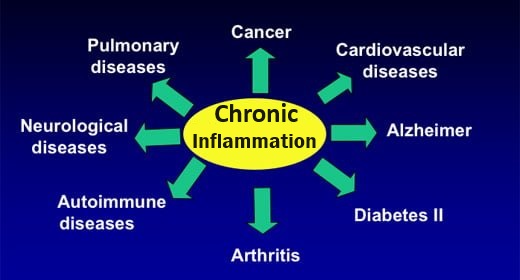
Treat chronic inflammation


2. Repair / Strengthen the arterial walls

Supply sufficient dietary Vitamin C to make collagen. This binding connective tissue molecule, comprised of vitamin C, and the amino acids proline and lysine, provides integrity for the artery walls (also bone, tendons, ligaments, skin) and decreases significantly with age.

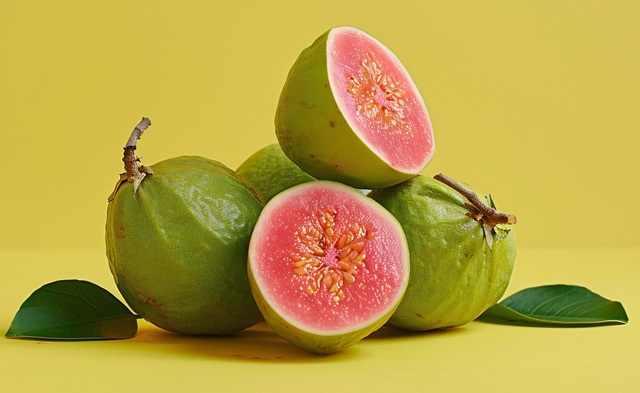
Guavas, oranges and kiwis are your best natural sources of vitamin C. However, Nobel prize winner Dr. Linus Pauling recommended adults take at least 3g vitamin C / day (i.e. which requires taking a supplement). More recent research suggests no more than 2g / day for general maintenance, dosed according to personal needs.

Vitamin C Fix” 💡

The best way to obtain sufficent vitamin C is by drinking the delicious and refreshing daily:

‘No-brainer’ – “Make-it-Happen” Smoothie

The Rath-Pauling therapy is a cheap, high-dose therapy to help those who already have or suspect CVD, supplementing a higher dose for a limited time – at least 5 or 6 g vitamin C together with proportional amounts of the amino acids lysine and proline each day.

Atherosclerosis / CVD involves weakened arterial walls due to a vitamin C deficiency

How to deal with cardiovascular disease (CVD)

Balanced diet and lifestyle

Forget measuring serum lipids and reducing dietary saturated fat!   Ischaemic CVD is a chronic low-level inflammatory disease, which can be dealt with effectively by eating real, nutritious food containing lots of antioxidants and alkalizing foods, sufficient water and getting moderate exercise (e.g. a daily, brisk 30 minute walk), sunlight, fresh air, sufficient restorative sleep, and peace within by addressing emotional issues (E.g. using Meridan Tapping Technique (MTT)).

Reduce stress

Tools for emotional stability

Obviously, avoid smoking or drinking excessive amounts of alcohol


 NEW STARTS:

Nutrition  Exercise  Water

Sunlight Thoughts  Air Rest Trust God  Sex

Nutrients shown to prevent and fight CVD

Antioxidants - especially vitamins C, D, E and K and the phytonutrients

Antioxidants have several roles in CVD.  Particularly by controlling oxidants.  Which would otherwise cause chronic arterial damage and subsequent inflammatory response /atherosclerosis.

ANTIOXIDANT / ROS BALANCE

Vitamins ADE, and Beta-carotene inhibit lipid peroxidation (as they are Incorporated in endothelial cells, smooth muscle cells, platelets, immune cells)

  • REDUCE inflammatory cytokines
  • REDUCE calcification in the arteries
  • REDUCE platelet aggregation (blood clots):

Beta-Carotene discourages LDL oxidation.    Involving ~22,000 male physicians; physicians who took 50mg beta-carotene every other day had about half as many heart attacks, strokes, cardiac arrests, bypass operations or angioplasties to remove embolisms. 1990 Harvard Physicians’ Health Study

Vitamin C.  From high vitamin C, low sugar fruits and veggies and/or Rath-Pauling Therapy

  • Antioxidant vitamin C prevents free radical damage in the watery medium.  Vitamin C and Vitamin E work hand-in-hand supporting and recycling each other. Sato, K., et al., Free radical-mediated chain oxidation of low-density lipoprotein and its synergistic inhibition by vitamin E and vitamin C. 1990.
  • Rath-Pauling Therapy to strengthen the vascular wall combines high dose vitamin C, with amino acids lysine, and proline. Dr. Linus Pauling and his research partner Dr. Mattias Rath determined that CVD is a symptom of a chronic ascorbate deficiency, common in most humans.  This author surmises that many other symptoms, including bleeding gums, random nosebleeds, slow healing wounds (E.g. in diabetics), hemorrhages in disease such as Crohn’s and ulcerative colitis, are also consequences of a low-grade, chronic C deficiency, causing weakened connective tissue, but not full-blown scurvy.
    • STRENGTHENS THE VASCULAR WALL.  Vitamin C needed to make collagen to strengthen wall’s connective tissue. Both Vitamins C and E are instrumental in building vascular wall, since they are equired for the synthesis of glycosaminoglycans (GAGs), crucial ingredients in the “cement” that holds the arterial lining cells in place, protecting them from damage.
    • REMOVES ARTERIAL PLAQUE

Vitamin D.  Most people arVitamin D-deficient.  Your optimal circulating CALCIDIOL [25(OH)D] form of vitamin D level should be between 50-65 ng/ml, but while treating heart disease, 70-90 ng/ml is recommended. Test your level using a company such as Lab Corp.

Vitamin D -The Sunshine Vitamin

  • Vitamin D lowers blood pressure
    • The further from the equator, the higher risk of high blood pressure – found a 2007 study, in which researchers theorized that UV exposure leads to the release of endorphins (brain chemicals linked to pain relief and euphoria) that lower blood pressure by reducing stressful feelings. Researchers also consider that decreased vitamin D production results in increased parathyroid hormone production, serving to increase blood pressure. Rostand SG, Ultraviolet Light May Contribute to Geographic and Racial Blood Pressure Differences, Univ. of Alabama, Hypertension. 1997; 30:150-156.
    • Another study found that vitamin D actually serves to lower blood pressure – in that vitamin D is a negative inhibitor of the renin-angiotensin system.
    •  D sufficiency produces optimal blood pressure levels.  Ultraviolet light may contribute to geographic and racial blood pressure differences
  • Several physiological mechanisms that fight heart disease are triggered by vitamin D production through sunlight exposure: British Journal of Nutrition October 2005; 94(4): 483-492
    • An increase in the body’s natural anti-inflammatory cytokines
    • The suppression of vascular calcification
    • The inhibition of vascular smooth muscle growth.
  • Vitamin D supplementation lowers calcium deposition in arteries/lowers blood pressure -Scottish researchers found that calcium levels in the hair inversely correlated with arterial calcium – the more calcium or plaque in the arteries, the less calcium in the hair. 90% of men experiencing myocardial infarction had low hair calcium. When vitamin D was administered, the amount of calcium in the beard went up and this rise continued as long as vitamin D was consumed. Almost immediately after stopping supplementation, however, beard calcium fell to pre-supplement levels.
  • Administration of dietary vitamin D or UV-B treatment has been shown to lower blood pressure, restore INSULIN sensitivity and lower cholesterol.

Vitamin E

  • Vitamin E-deficient arterial walls allow oxidative stress to cause damage to arteries. Halts LDL oxidation within the fatty portions of LDL Dr. B. Hennig, University of Kentucky, 1989.
  • Vitamin E protects against the artery damage that leads to plaque and heart disease.    There is a significantly lowered rate of heart disease and amount of heart disease in any age group proportionally with the length of time that vitamin E had been taken –length of time was actually more important than quantity after a minimum daily dose of 400 IU.  [1974 epidemiological study conducted by biochemist/author Dr. R. A. Passwater; Heart Study of 50- 59 Year Olds. Passwater, Richard A., Prevention 28 (5) 111- 115 (May 1976); Heart Study of 60- 69 Year Olds. Passwater, Richard A. Prevention 28 (4) 107- 113 (Apr. 1976); Heart Study of 70- 79 Year Olds. Passwater, Richard A., Prevention 28 (2) 61- 68 (Feb. 1976)]
  • Vitamin E supplements raise HDL cholesterol.   Several researchers, including Dr. William Hermann of the Methodist Hospital in Houston and Dr. Staurt Hartz of Tufts University.Hermann, W., Ann. NY Acad. Sci. 462 1982. A 1987 study found that 500 IU /day of vitamin E for 3 months produces a significantly improved HDL level.  Cloarec, M. J., et al., Israel J. Med. Sci. 23(8) 869-72, Aug. 1987
  • Vitamin E in the cell membrane, scavenges free radicals generated by the electron transport system during the process of producing cellular energy.

Vitamin E – Cell membrane protectant

(More detailed effects of vitamin E on CVD in appendix at bottom of page)

 Vitamin K (two natural forms are K1 and K2)
  • Vitamin K1 (found in green vegetables) is known for its role in ensuring blood is able to form clots when necessary. E.g to prevent excess bleeding with an injury
  • Vitamin K2 together with vitamin D prevent arteriosclerosis (hardening of the medium/large arteries) due to arterial calcification. Calcium buildup in the arteries causes blood vessels to to lose elasticity rendering them unable to contract and dilate efficiently. This can lead to a restriction of blood flow delivering nutrients and oxygen to your organs and tissues. Vitamin K2, in particular, keeps calcium out of the arteries and other soft tissue and puts it where it belongs E.g. in teeth and bones.

Health Benefits of K

CoQ10 – acts to scavenge oxidant species

Coenzyme Q10 – Spark and Dampener

Phytonutrients –  Polyphenols (e.g. in 2 glasses red wine/day) or flavanols (e.g. in cocoa).   In sufficiency reduce white blood cell adhesion to arterial lining and enable lining cells to make vessel dilating Nitric oxide (NO).

Selenium.   This important trace mineral provides necessary support for the body’s “in-house” production of the antioxidants Glutathione Peroxidase (GPx) and Glutathione (GSH).

  • Selenium found protective against CVD.   Oster O, Prellwitz W,(1990), Lancet II 175 (1982), Clin. Chem. 30:1171 (1984)
  • Persons with low-selenium diets have two-to-three times greater risk of heart disease than those eating selenium rich diets

Omega-3

It is extremely important for both physical and mental health that you are consuming sufficient anti-inflammatory, nerve / brain supporting omega-3 fats, which can be accomplished by doing: The Omega-3 Fix

  • Quality Antarctic krill oil shown to significantly reduce total cholesterol, LDL and triglycerides, and increase HDL levels (1-1.5 g/day krill oil for 90 days + Follow-up of 500mg/day (1 softgel) for 90 days). Recommended preventive maintenance dose is 1000 mg/day.

Antarctic Krill Oil

  • One study showed that fish consumption reduces levels of Lp(a) (“The Repair Man” needed to put a temporary repair patch on damaged arterial tissue, until the wall is “rebuilt” ).   Most likely due to anti-inflammatory effects of its omega 3 EPA fatty acids. Arterioscler Thromb Vasc Biol 1999 May;19:1250-6.
  • In another study with patients consuming large quantities of walnuts (contain omega-3 ALA), Lipoprotein (a) levels were found to decrease an average of over 6% – as well as an almost equal decrease in LDL cholesterol levels. Ann Intern Med 2000 Apr 4;132(7):538-46.

Magnesium

magnesium deficiency (common in many people today) is closely associated with CVD

Magnesium against CVD

Vitamins B6, B9 and B12 reduce homocysteine in blood to protect structure of arterial wall

Lowering levels of homocysteine seems to provide benefit only over the long term, by preventing it from degrading and inhibiting formation of matrix proteins: Collagen, elastin and proteoglycans, the 3 main structural components of the arterial wall. Homocysteine presence is related to severity of artery hardening.

  • Homocysteine levels can be reduced with B6, B9 and B12 vitamins:
    • Deficiencies in the entire B-vitamin complex are a consequence of excess sugar
    • B vitamins are heat-sensitive
    • B6 (Pyridoxine) –  B6 deficiencies occur partly because B1 and B2 added to white flour interfere with its proper use, and partly because it is destroyed during milk pasteurization;
    • B6 seems to protect against oxysterols;
    • Some Vitamin B6 forms may have neurological side effects.   A few people may be sensitive to B6 vitamin as pyridoxine hydrochloride, its common supplemented form. Russell Jaffe, MD, PhD, eliminated neurological side effects among thousands of volunteers by using pharmaceutical grade B6, 200 to 2,000 milligrams daily (in divided doses) for up to two years.
    • Suggested B6 dose – 200 mg B6 (half as complex) with 400 IU vitamin E, plus vitamin Cseleniummagnesium
  • Trimethylglycine / betaine.   Donates a methyl group to convert homocysteine to methionine;
    • Betaine hydrochloride (“betaine HCl”) is a satisfactory supplemental form of betaine.   The chloride salt of TMG, it is used as a digestive aid. The hydrochloride is particularly helpful for persons with insufficient acid production in the stomach. Betaine HCl has an acidic taste whereas anhydrous TMG (“anhydrous betaine”) tastes sweet with a metallic aftertaste and is usually produced from sugar beets (as is betaine hydrochloride). Both are active as methyl donors, as ‘betaine’ is retained in both forms. Betaine HCl (hydrochloride) has a chloride ion, but is otherwise identical, chemically, to TMG.

Nutrients to reduce stress

  • Antihistamines. Histamine accumulates as a result of erratic stress leading to inflammation and plaque formation.Vitamin C is somewhat antihistaminic.
  • B6 – Treatment of diabetics with antihistamines or B6 lessened vascular leakage and curbed retinal degeneration, suggesting an antihistaminic role for B6.

Vitamin E and arginine break down arterial clots

  • Vitamin E protects against blood clot formation, which can block the coronary arteries, causing a heart attack.   High blood platelet adhesion (blood “stickiness”) causes blood to clot when squeezed through plaque-narrowed arteries.  Vitamin E also reduces the stickiness of blood.   Violi F, Pratico’D, Ghiselli A, Alessandri C, Iuliano L, Cordova C, et al. Inhibition of cyclooxygenase-independent platelet aggregation by low vitamin E concentration.Atherosclerosis 1990; 82:247-52.
  • L-Arginine is shown to have the same anti-clotting ability as aspirin – but not continuously, only when needed (i.e. when chemicals associated with injury are released into the blood stream); Endothelial cells (line artery) produce vessel relaxing nitric oxide (NO) from L-arginine and oxygen – eNOS busily activates NO production – provided it is “coupled” with sufficient L-arginine, oxygen and BH4.

Arginine – Precursor to blood vessel dilator Nitric Oxide

Minimize sugar / fructose / grains

  • Glycation of sugar molecules increases damaging AGES (Advanced glycation End-products implicated in arterial wall damage). Typically formed when sugars are cooked with proteins or fats. Fructose is 10 times for damaging than glucose.
  • Glycation can be inhibited with the amino acid L-Arginine.  Inhibits in vitro non-enzymatic glycation and advanced glycosylated endproduct (AGEs) formation of human serum albumin.

Vitamins D and K2 reduce arterial calcification

  • Vitamin D  deficiency is associated with calcification of the arteries as well as defective calcification of the bones.
  • Vitamin D essential for the intestinal absorption of many minerals.    Particularly calcium and magnesium
  • Obtain vitamin D3 from the sun.    Our bodies can manufacture vitamin D3 from cholesterol by the action of sunlight on the skin;
  • Dietary vitamin D3 found only in animal fats.  Adds extra protection

Vitamin D -“The Sunshine Vitamin”

  • Vitamin K2 is an important part of the synergistic bone and heart health team.  Includes vitamin K (especially K2), calcium, magnesium and vitamins A and D.
  • Vitamin K2 is required to activate a protein hormone called OSTEOCALCIN.  Produced by osteoblasts, it is needed to bind calcium into the bone matrix. In so doing, OSTEOCALCIN also appears to help prevent calcium from depositing into arteries. Without vitamin K2, the calcium absorbed using vitamin D may build up in your coronary arteries rather than in your bones.
  • Vitamin K2 can be obtained naturally from natto (smelly /slimy), fermented cheeses or vitamin K2 supplements.

Vitamin K – “For Klotting and Kalcium”

Minimize dietary free radical Intake

  • Refined carbohydrates (fructose, high fructose syrup, refined sugar and flour).   Prevents hyperglycemia
  • Processed foods / Damaged fats.   “Grocery store” vegetable oils, hydrogenated fats and products containing them usually contain altered, toxic fats, such as trans fats (tFAs):
    • tFAs raise LDL and triglycerides and lower HDL cholesterol.   tFAs block the liver’s normal conversion of cholesterol to bile, contributing to higher blood cholesterol levels The net increase in LDL/HDL ratio with tFAs is approximately double that due to saturated fat and Harvard university researchers determined that those who ate partially hydrated oils (which contain tFAs had double the risk of heart attack of those who didn’t.
    • tFAs increase C-reactive protein.   Indicative of general inflammation and an accurate marker for CVD presence and extent.
    • tFAs raise blood levels of lipoprotein(a).   A type of cholesterol used to fix arterial damage.
  • Oxidized cholesterol in foods
  • Too much meat / dairy.   Prevents elevated homocysteine levels from metabolizing methionine

Raise HDL cholesterol levels

HDL is a potent antioxidant capable of preventing the formation of oxidatively modified LDL cholesterol (LDL-C)

  • Vitamin C shown to raise HDL significantly.   Dr. Bazzare of Univ. of N. Carolina found that 1000mg Vitamin C / day reduced HDL in both smokers and non-smokers  Bazzarre T, 1986

Iodine and its support nutrients for boosting thyroid function 

People with poor thyroid function are prone to heart disease.   Ensure the presence of the following thyroid function “workers”:

  • Iodine against thyroid disorders.   Iodine is found in seaweed or best supplemented as Lugol’s Solution or Iodoral ®
  • Support nutrients for thyroid hormone production.   E.g. Fat-soluble vitamins A, DE, and K
  • Tyrosine.  An amino acid required for thyroid hormone synthesis, and although non-essential in the diet, the body produces it from phenylalanine, which is essential (especially found in eggs, soy, sesame seeds, white fish, parmesan cheese)

Increase strength / stamina of heart muscle by increasing ATP energy production

  • L-Carnitine (an amino acid). Rate-determining factor for beta-oxidation (metabolic process involving multiple steps by which fatty acid molecules are broken down to produce energy), by carrying fats across the cell’s inner membrane. L-Carnitine has a role in the removal of acetyl units from the mitochondria;
  • Coenzyme Q10.   Key factor in the electron transport system of cellular respiration;
  • Magnesium.   Essential cofactor for many of the enzyme systems which support energy production;

Natural substances that safely lower and optimize cholesterol levels

It is important to recognize that cholesterol is a consequence of arterial damage in CVD, not the cause of it.   As such it would NOT be wise to remove the cholesterol component of arterial plaque (Lp(a), which was laid down as a stop-gap repair to prevent bleeding out through the arterial wall) until you first “beef up” the arterial walls with connective tissue components (E.g. using the Rath-Pauling Therapy)

Vitamin B3 (Niacin) lowers cholesterol

  • B3 in food.   Rice bran, tuna, chicken liver, white-meat chicken, wheatgerm, brown rice;
  • Effective cholesterol-lowering dose of B3.   Begins at ~ 1000 mg / day for most people;
  • Detrimental effects.   B3 can cause liver damage at cholesterol-lowering dose,and can cause red, itchy rash;
  • B3 Supplement Forms
    • Crystalline niacin (Nicotinic acid).   Produces red, itchy rash, sometimes at doses as low as 20 mg.
    • Timed-release niacin (niacinamide.  More notorious for liver damage, does not produce a rash, but also not proven effective at lowering cholesterol.
    • Inositol hexanicotinate.   Small group studies have found that this “no-flush”form of niacin is not as damaging to liver. 1000-1500 mg / day in divided doses typically lowers cholesterol

The body can synthesize 1 mg niacin from ~60 mg tryptophan.    With cofactors B1, B2 and B6.

Chromium combined with vitamin B3 (niacin) lowers cholesterol in 50% of people with high serum levels.   This combination has been patented as a cholesterol-lowering agent.

  • Chromium is known to increase the effect of INSULIN
  • Chromium supplementation.   100-200mcg shown to increase HDL and decrease total cholesterol and triglycerides andimprove glucose tolerance.

Choloretics (stimulate Bile Production) combined with natural fibers to absorb bile

  • Natural chloretics, such as standardized artichoke extract (100-200mg/day) forces the liver to produce bile.     This  will then cause the liver to take more cholesterol from the blood via its LDL receptors and produce more bile;
  • Natural bile sequestering fibers such as psyllium or guar gum prevent the bile from being reabsorbed.  Bile is removed in the stool.

Gugulipids

  • Used in India for centuries.   Gugulipids come from the resin of the mukul myrrh tree;
  • Shown to lower serum cholesterol and triglycerides, lower LDL and raise HDL levels.   It’s main action seems to be by increasing the number of hepatic LDL receptors.
  • Taken as a sole therapy use 50-75 mg / day.   However, only use 10-25 mg/day when added with synergistic ingredients.

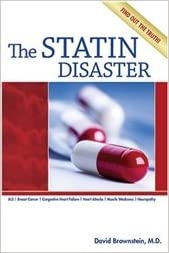
Red Yeast Rice Extract.    A potent inhibitor of the rate-limiting enzyme, HMG-CoA Reductase, in cholesterol synthesis. This is the same enzyme targeted by statin drugs.

Lipitrol.    Product combining Chromium, Inositol, Gugulipids, Guar Gum and Artichoke extract, to synergistically lower cholesterol.

Optional adjunct treatments against ischaemic CVD

The Beck Protocol.    Powerful and simple electromagnetic therapy reduces inflammation, detoxifies, increases cellular energy output, removes microbial infection, and more.

Meridian Tapping Technique (MTT.     Unblocks cellular communication pathways formed by distressing memories, which surface as physical and emotional issues.

Appendix


Effect of Vitamin E on CVDDetails
▼Endothelial cell injury;
▼Inflammatory cytokines and chemokines;
▼LDL oxidation;
▼Macrophage uptake of oxLDL;
Protects against lipid oxidation; Prevents inflammatory reaction;
▼Adhesion molecule expression;
▼Immune/endothelial cell adhesion
Down-regulates expression of adhesion molecules (ICAM-1 and VCAM-I)Cominacini L et al. Lacidipine inhibits the activation of the transcription factor NF-kappaB and the expression of adhesion molecules induced by pro-oxidant signals on endothelial cells. J Hypertens. 1997 Dec;15(12 Pt 2):1633-40. PubMed
▼Smooth muscle cell proliferationThrough the inhibition of protein kinase
▼Platelet aggregation
▼TXA2(thromboxane A2
Reduces the stickiness (clotting) of blood – by inhibiting plasma generation of thrombin (blood clotting enzyme)Violi F et al. Inhibition of cyclooxygenase-independent platelet aggregation by low vitamin E concentration. Atherosclerosis 82:247-252; 1990 PubMed
▲NO production,
▲Arterial dilation
▲PGI2(prostacyclin)
Dilates vessels -by enhancing release of prostacyclin, a potent vasodilator and inhibitor of platelet adhesion


Cardiovascular Disease (CVD)

N E W  S T A R T S

Attend to Diet, Lifestyle & Emotional State

Chronic low-level inflammation

Electrotherapy

medical_bag

The Medical Kit of the Future

  • Detoxifies
  • Boosts immune system / cellular energy
  • Anti-inflammatory / Pain-relief
  • Aids sleep / Reduces stress
  • Accelerates healing of tissue, bone, muscles, scars
  • Improves circulation +++

Successful electrotherapies