


- Food Types
-
-
Food types we eat:
When choosing foods from each food type - the details matter 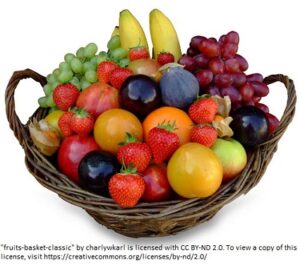
Fruits / Veggies 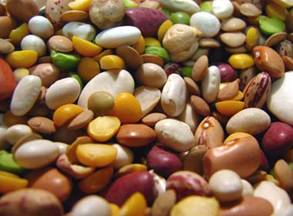
Legumes 
Fats / Oils 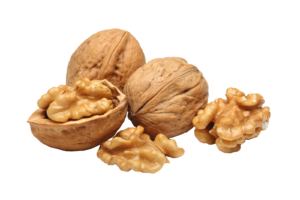
Nuts / Seeds 
Meat 
Grains 
Fish 
Beverages 
Dairy 
Sweeteners 
Eggs 
Herbs, spices, salt
-
-
- Nutrients
-
-
Nutrients we need:
Glucose Provided by carbohydrates; needed to produce cellular energy 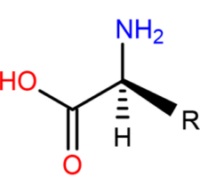
Amino acids Protein building blocks 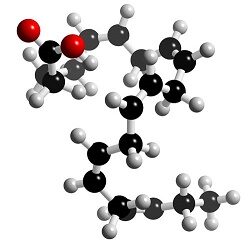
Fatty Acids Fat building blocks 
Fiber Stool softener and intestinal sweeping brush 
Antioxidants
/ VitaminsNeutralize oxidants. Vitamins (A, B, C, D, E ), phytonutrients(carotenoids, polyphenols), others (CoQ10) 
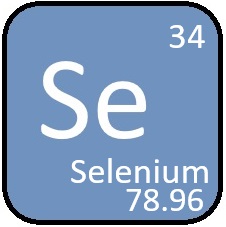
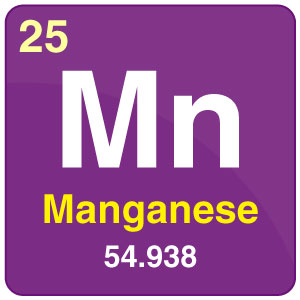
Minerals ~ 25 of the 92 naturally occurring major and trace mineral elements are essential for life. Magnesium, sulfur, selenium, zinc, manganese may not be sufficiently present in diet and may need to be supplemented. 
Enzymes Make things happen! Composed of amino acid chains, enzymes act as catalysts to speed up biochemical reactions in our body. 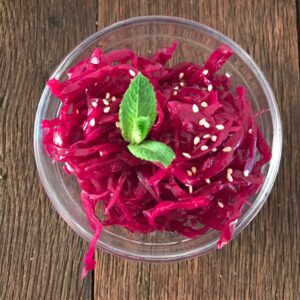
Probiotics – “For Life!”
More than 2/3 of your immune system is in your gut, dependent on a healthy presence of microflora. 
Food electrons Needed for cellular energy production Harmful Foods / Practices

Genetically modified foods
/ GMOsGM plant or animal foods having adverse health-effects. DNA molecules from bacteria, viruses, insects, plants, animals, humans are combined to form new genes to transfer to plants for herbal tolerance of weed-killer and / or insect-resistance, or animals / fish for selective breeding of desirable traits 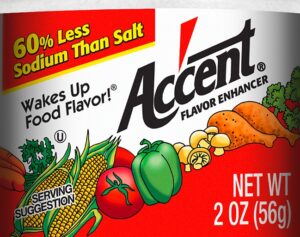
Monosodium glutamate (MSG) 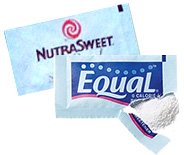
Aspartame This sugar-free sweetener is a neurotoxin 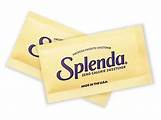
Sucralose 0 calorie sweetener is a harmful organochlorine 
Chlorination Disease-causing disinfectant in your water 
Fluoridation Mega health fraud 
Microwaved food - Not so convenient for your health Harmful when eaten to excess

High Fructose
Corn Syrup (HFCS)
Too much fructose 
Too much sugar 
Too much caffeine 
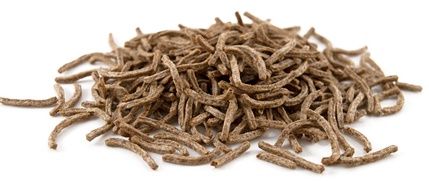
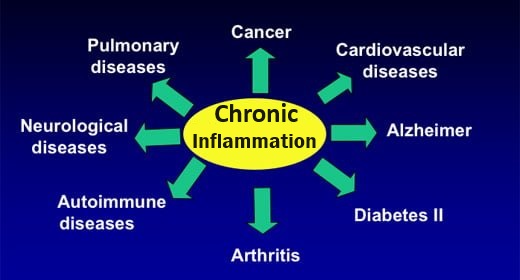
Antinutrients Particularly lectins (e.g. prolamins, agglutinins) and phytate in IMPROPERLY prepared WHOLE grains, seeds, nuts and legumes. Lectins can cause a “leaky gut” inflammation leading to IBS, allergies, asthma, arthritis, anemia, obesity, +++ ; Phytate can cause malabsorption of magnesium, calcium, iron, copper, and zinc; 
Alcohol Moderation is the key Good general food choices
Daily 'No-brainer'
💡
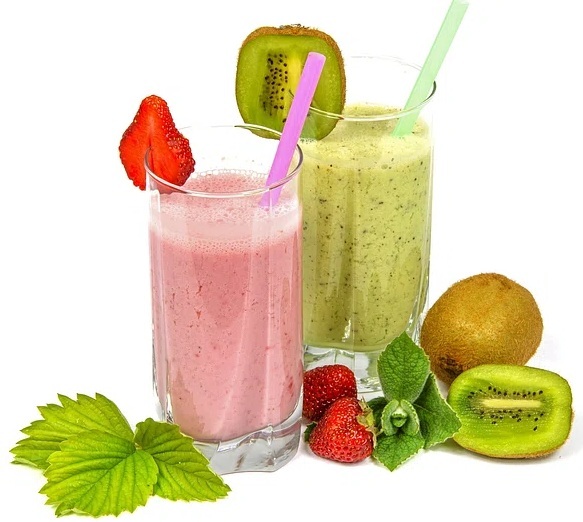
"Make-it-Happen" smoothie:This daily drink with supporting supplements contains nutrients typically missing from our diet to restore / maintain physical and mental health. It includes the Rath-Pauling therapy at maintenance level providing important antioxidant vitamin C and amino acids for building collagen, also Omega-3 fats, magnesium, iodine, and vitamin D 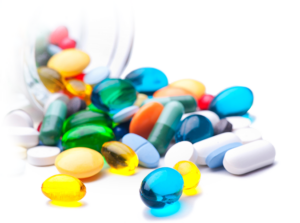
RECOMMENDED DAILY SUPPLEMENTS CHART 
Grown in your native environment i.e. locally grown and in season 
Organic – What does that mean? Natural, unprocessed and organic (chemical/GMO-free). 
Glycemic Index (GI) vs. Glycemic Load (GL) A food's glycemic index indicates how much it raises blood sugar, but its glycemic load (GL) gives a gives a truer comparison between foods, since it accounts for typical serving size. 
What foods does the bible
say are good to eat or not?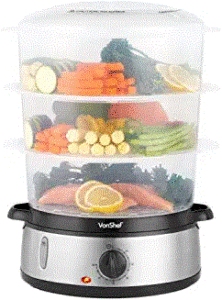
Cooking to preserve nutrients Aim for at least 1/3 raw. Raw food contains enzymes, which are destroyed by heat. Some nutrients are made more bioavailable by heating, some are destroyed. 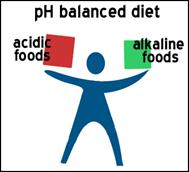
ACID / ALKALINE BALANCE
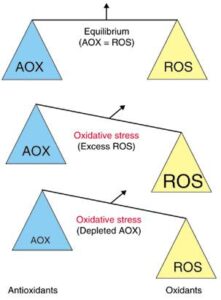
ANTIOXIDANT / OXIDANT BALANCE
-
-
- Harmful foods / practices
-
-
Harmful Foods / Practices

Genetically modified foods / GMOs GM plant or animal foods having adverse health-effects. DNA molecules from bacteria, viruses, insects, plants, animals, humans are combined to form new genes to transfer to plants for herbal tolerance of weed-killer and / or insect-resistance, or animals / fish for selective breeding of desirable traits Monosodium glutamate (MSG) Aspartame This sugar-free sweetener is a neurotoxin Sucralose 0 calorie sweetener is a harmful organochlorine Chlorination Disease-causing disinfectant in your water Fluoridation Mega health fraud Microwaved food - Not so convenient for your health Harmful when eaten to excess
High Fructose
Corn Syrup (HFCS)Too much fructose Too much sugar Too much caffeine 
Antinutrients Particularly lectins (e.g. prolamins, agglutinins) and phytate in IMPROPERLY prepared WHOLE grains, seeds, nuts and legumes. Lectins can cause a “leaky gut” inflammation leading to IBS, allergies, asthma, arthritis, anemia, obesity, +++ ; Phytate can cause malabsorption of magnesium, calcium, iron, copper, and zinc; Alcohol Moderation is the key
-
-
- Good choices
-
-
Good nutritional choices
Daily 'No-brainer' 💡
"Make-it-Happen" smoothie:This daily drink with supporting supplements contains nutrients typically missing from our diet to restore / maintain physical and mental health. It includes the Rath-Pauling therapy at maintenance level providing important antioxidant vitamin C and amino acids for building collagen, also Omega-3 fats, magnesium, iodine, and vitamin D RECOMMENDED DAILY SUPPLEMENTS CHART Grown in your native environment i.e. locally grown and in season Organic – What does that mean? Natural, unprocessed and organic (chemical/GMO-free). Glycemic Index (GI) vs. Glycemic Load (GL) A food's glycemic index indicates how much it raises blood sugar, but its glycemic load (GL) gives a gives a truer comparison between foods, since it accounts for typical serving size. What foods does the bible
say are good to eat or not?Cooking to preserve nutrients Aim for at least 1/3 raw. Raw food contains enzymes, which are destroyed by heat. Some nutrients are made more bioavailable by heating, some are destroyed. ACID / ALKALINE BALANCE
ANTIOXIDANT / OXIDANT BALANCE
-
-