
High Fructose Corn Syrup (HFCS) - Try and avoid it for your health's sake!
SWEETENERS:
- SWEETENERS: Our Daily "Fix"
- Nutritive Sweeteners (NS)
-
-
-
Nutritive Sweeteners (NS)
The “old fashioned” nutritive sweeteners – Overview
- Metabolic Fate of the “3” monosaccharides
- CHART of the Nutritive Sweeteners
- Sugar Sugar 🎵 And you got me wanting you 🎶
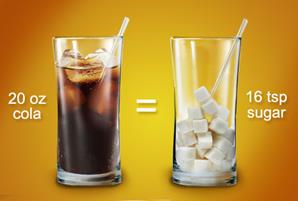
- Too much added sugar involved in several adverse health consequences
- How to reduce sugar intake
- Too much fructose wreaks havoc with your health
Nutritive sweeteners / Minimally refined
- Raw Honey
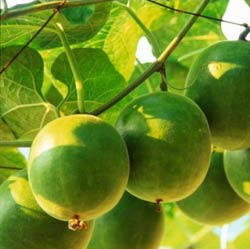
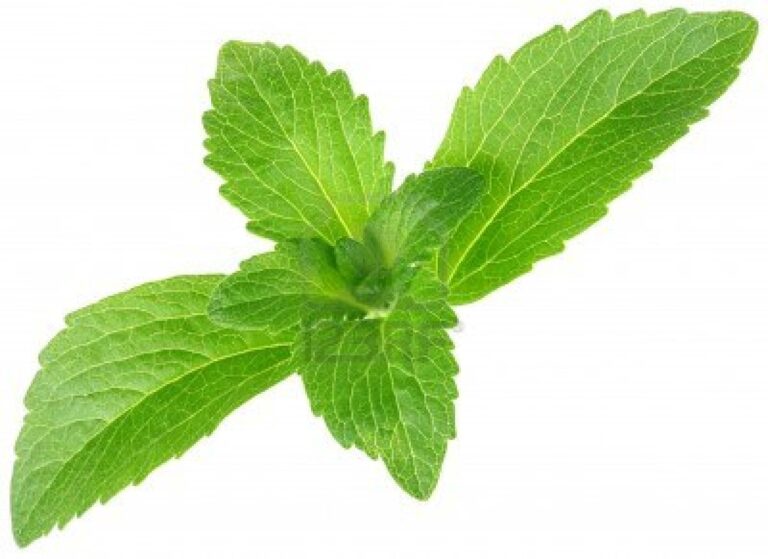
- Stevia
- Maple syrup
- Blackstrap molasses
- Barley malt syrup
- Date sugar / syrup
- Dehydrated / Evaporated natural sugar cane juice ( Rapidura®; Sucanat®)
- Muscovado, Turbinado sugars
- Coconut sugar
Nutritive sweeteners / Highly refined
- Sugar Sugar – – – 🎵 And you got me wanting you – 🎶
- Brown, demerara cane, beet sugar
- Corn syrup (glucose syrup made from cornstarch)
- High fructose corn syrup (HFCS) – Try and avoid it for your health’s sake
- Invert sugar
- Golden syrup
- Rice syrup
- Dextrose
- Maltodextrin
-
-
-
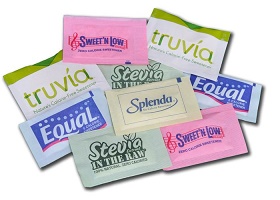
- Non-nutritive Sweeteners (NNS)
-
-
-
Non-Nutritive Sweeteners (NNS)
Natural Non-nutritive Sweeteners (NNS)
Sugar Alcohols
Sugar alcohols – Are these healthy sweeteners?
- Erythritol
- Xylitol
- Maltitol, mannitol, sorbitol, lactitol, isomalt
Non-nutritive Artificial Sweeteners (NAS)
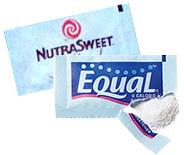
Non-nutritive Artificial Sweeteners (NAS) have been linked to several health issues – including altering gut flora and weight gain!
- Sucralose – Organochlorine – “Yellow packet”
- Aspartame – Neurotoxin – “Blue packet”
- Saccharin – “Pink packet”
- Acesulfame K (Ace K)
- Neotame
- Cyclamate
- Advantame
-
-
-
- Too much sugar
- Too much fructose
What is HFCS?
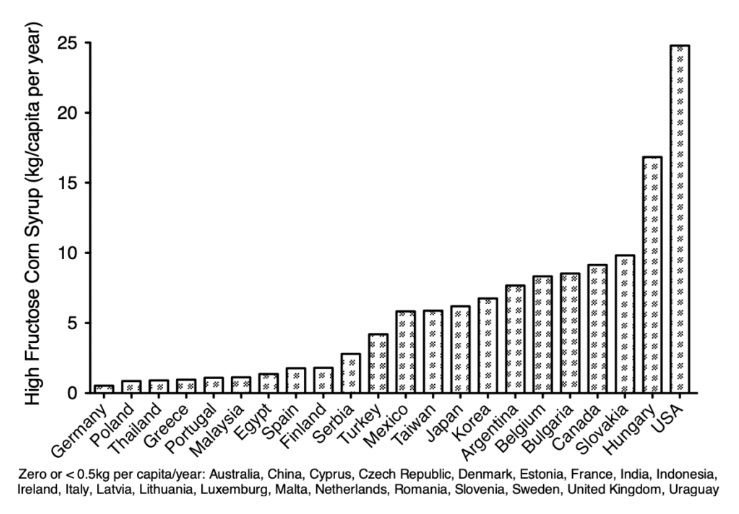
Sweeter than sugar but with a similar glucose / fructose composition, HFCS is a cheaply produced, large-scale commercial, highly refined liquid sweetener that has established a roughly equal share to sugar in the U.S. sweetener market. Now routinely added to processed foods and beverages E.g. spaghetti sauce, salad dressing, peanut butter, mayonnaise,and ketchup. However, in 2018 people in the U.S. had reduced their average consumption of sugar from HFCS to ~22 lb /year (compared to ~37# / year in 2000). Figures adjusted for loss at consumer level (spoilage or uneaten, etc). HFCS is not so prolifically consumed outside the U.S.
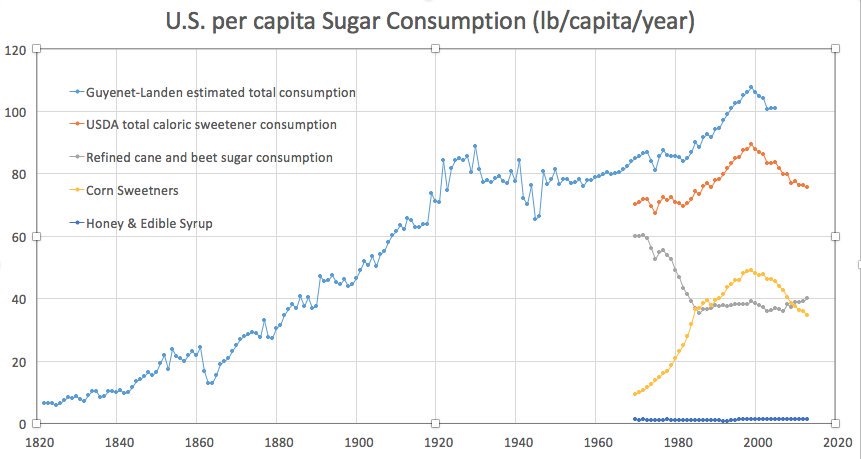
Note: Chart shows HFCS amounts consumed before adjustments for loss at consumer level (e.g. due to spoilage, uneaten etc)
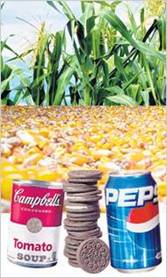
HFCS is produced by treating corn syrup (98% glucose) with enzymes to convert glucose into fructose.
From a commercial perspective HFCS has several advantages over sucrose (table sugar).
- Stable in acidic foods (sugar can hydrolize in acid environments, changing its sweetness / flavor)
- Being a syrup, it can be pumped from delivery vehicle to storage/ mixing containers. Also, it is easily diluted before use.
- Derived from corn, it is a dependable, renewable, abundant and cheap raw material in the U.S. Midwest. Sugar production / price is sometimes affected by global political / climatic concerns.
- Cost-efficient production
HFCS comes in two main forms:
- HFCS-55 (the main form used in soft drinks) contains 55% fructose blended with 41% glucose;
- HFCS-42 (the main form used in canned fruit in syrup, ice cream, desserts, and baked goods) contains 42% fructose and 52% glucose.
Note: HFCS is not the same as corn syrup, which is almost 100% glucose. And, even though HFCS and sucrose are comprised of similar percentages of glucose and fructose, HFCS is also not the same as sucrose . . .

Two important differences between sucrose (table sugar) and HFCS
- Glucose and fructose in sucrose are linked by a glycosidic bond (At the intestinal wall, the enzyme sucrase breaks (hydrolizes) this bond to separate the glucose and fructose). In HFCS, these monosaccharides are mostly free / unbound.
- In sucrose, glucose molecules are paired one-for-one with fructose, which for currently unknown reasons seems to negate some of the deleterious health effects seen when consuming high levels of unpaired, unbound fructose. HFCS in sugar sweetened beverages is usually HFCS-55 (55% fructose / 41% glucose). Fructose does not cause an insulin response and studies have demonstrated that consuming HFCS causes appetite to rage out of control (with the inevitable fat gain from overeating regular food) — an effect which does not occur with table sugar.
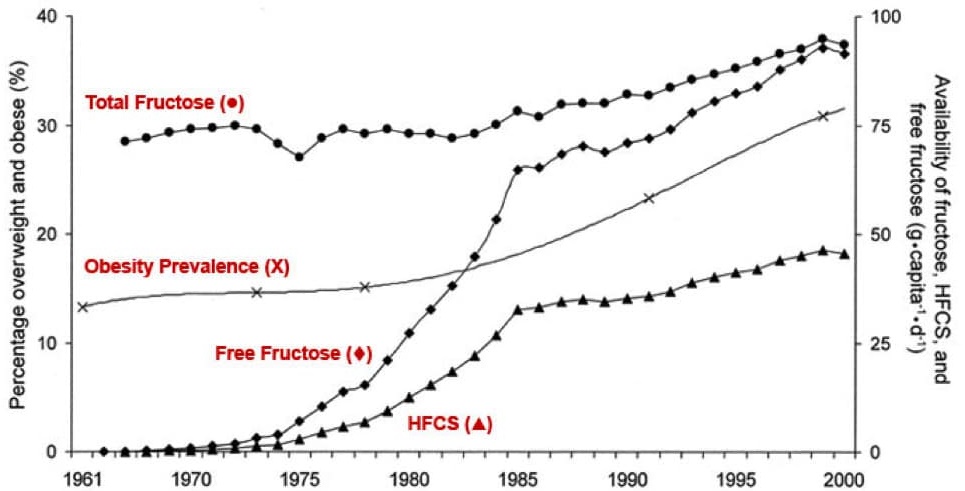
Consuming HFCS increases our fructose intake, which is associated with various health problems
Fructose in HFCS is consumed in much greater quantities than fructose in natural foods. The U.S. per capita average intake of HFCS is ~22# / year in 2018 (down from 36#/year in 2000) USDA data
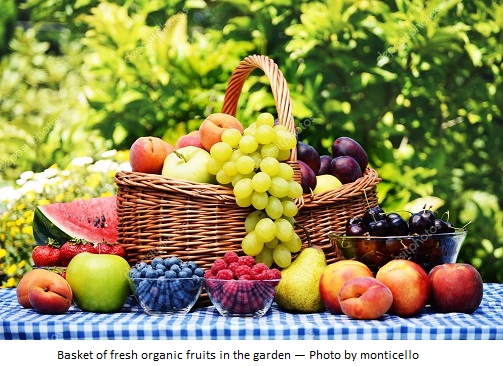
- Fructose is found in, for example, fruit (E.g. ~4g in 1 cup strawberries, ~16g in 1/2 a mango) and honey (1 teaspoon has ~3g ).
Fructose intake from food sources is limited by the typical amount that can be eaten
| Top 10 high HFCS foods |
|---|
| 1. Yogurt |
| 2. Breads |
| 3. Frozen pizza |
| 4. Cereal bars |
| 5. Cocktail peanuts |
| 6. Boxed Mac n Cheese |
| 7. Salad dressing |
| 8. Tomato-based sauces |
| 9. Applesauce |
| 10. Canned fruit |
Commercial fructose derived from corn is lacking in bulk, making it easier to consume large quantities of it. Unfortunately, we do indeed consume large amounts of fructose, present in so many food and drink products.
Fructose consumed to excess has been shown to have several detrimental effects on health:
- Makes fat faster than glucose
- Burdens liver
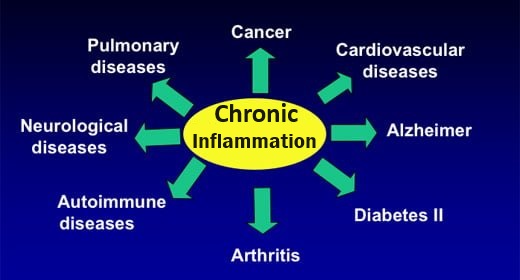
- Increases cellular damage/inflammation
Too much dietary fructose associated with insulin resistance /T2D / obesity, fatty liver and CVD
It is interesting to note that many countries do not include much HFCS in their diet. And only Hungary comes even close to the HFCS consumption in the U.S.