
Agave Syrup / Nectar - Not a good sweetener choice

SWEETENERS:
- SWEETENERS: Our Daily "Fix"
- Nutritive Sweeteners (NS)
-
-
-
Nutritive Sweeteners (NS)
The “old fashioned” nutritive sweeteners – Overview
- Metabolic Fate of the “3” monosaccharides
- CHART of the Nutritive Sweeteners
- Sugar Sugar 🎵 And you got me wanting you 🎶
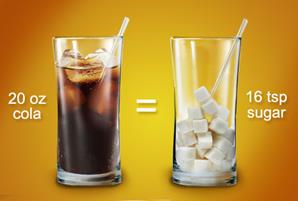
- Too much added sugar involved in several adverse health consequences
- How to reduce sugar intake
- Too much fructose wreaks havoc with your health
Nutritive sweeteners / Minimally refined
- Raw Honey
- Stevia
- Maple syrup
- Blackstrap molasses
- Barley malt syrup
- Date sugar / syrup
- Dehydrated / Evaporated natural sugar cane juice ( Rapidura®; Sucanat®)
- Muscovado, Turbinado sugars
- Coconut sugar
Nutritive sweeteners / Highly refined
- Sugar Sugar – – – 🎵 And you got me wanting you – 🎶
- Brown, demerara cane, beet sugar
- Corn syrup (glucose syrup made from cornstarch)
- High fructose corn syrup (HFCS) – Try and avoid it for your health’s sake
- Invert sugar
- Golden syrup
- Rice syrup
- Dextrose
- Maltodextrin
-
-
-
- Non-nutritive Sweeteners (NNS)
-
-
-
Non-Nutritive Sweeteners (NNS)
Natural Non-nutritive Sweeteners (NNS)
Sugar Alcohols
Sugar alcohols – Are these healthy sweeteners?
- Erythritol
- Xylitol
- Maltitol, mannitol, sorbitol, lactitol, isomalt
Non-nutritive Artificial Sweeteners (NAS)
Non-nutritive Artificial Sweeteners (NAS) have been linked to several health issues – including altering gut flora and weight gain!
- Sucralose – Organochlorine – “Yellow packet”
- Aspartame – Neurotoxin – “Blue packet”
- Saccharin – “Pink packet”
- Acesulfame K (Ace K)
- Neotame
- Cyclamate
- Advantame
-
-
-
- Too much sugar
- Too much fructose
-
-
-
Fructose – Too much associated with INSULIN resistance / T2D / obesity, fatty liver and CVD
- Fructose – Overview
- Fructose digestion / metabolism
- How much fructose are we consuming
- Excess consumption leads to health problems
-
-
-
What is it?
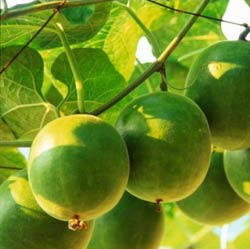
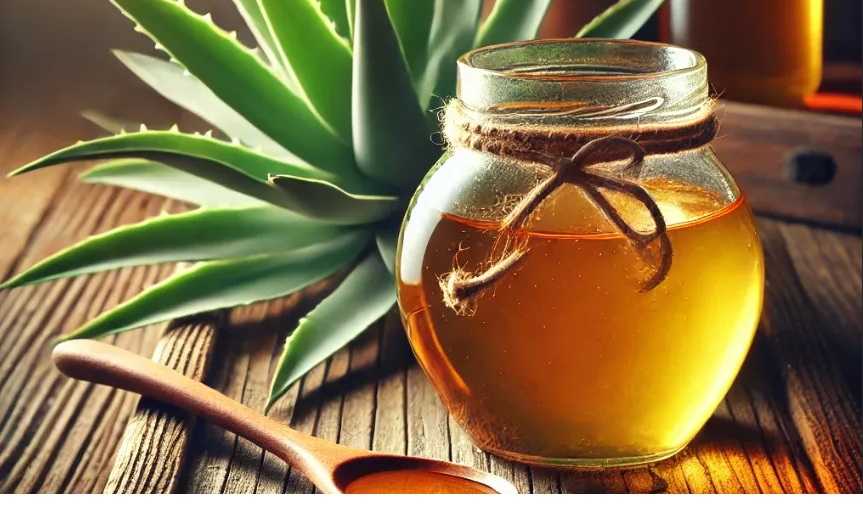
Produced from the agave plant (a succulent), agave syrup is slightly runnier than honey and a dark or light amber color. Quality syrup is made from sap from the core of the agave plant, however, most commercial agave syrup is made from inulin and starch extracted from its giant root ball. The starchy extract is filtered, heated, hydrolized (often with GMO enzymes) to convert most of the carbohydrate into essentially “fructose syrup”. The process may use caustic acids, clarifiers and filtration chemicals.

Portrayed as a healthy sweetener choice - but it isn't
Agave syrup is highly refined and contains a disproportionate, unhealthy amount of fructose – up to 92%!
Fructose consumed to excess has been shown to have several detrimental effects on health.
- Fructose makes fat faster than glucose
“Our study shows for the first time the surprising speed with which humans make body fat from fructose. Once you start the process of fat synthesis from fructose, it’s hard to slow it down. The bottom line of this study is that fructose very quickly gets made into fat in the body.”
– Dr. Elizabeth Parks, associate professor of clinical nutrition,UT Southwestern Medical Center
Author of a fructose study reported in the Journal of Nutrition (2008).
- Causative factor in heart disease. When consumed in excessive amounts, according to study reports.
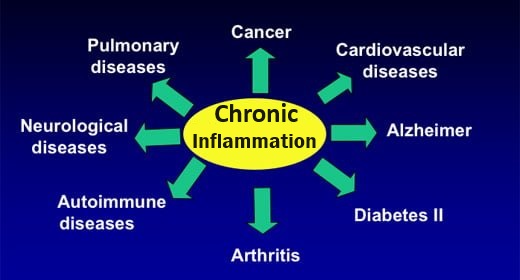
Too Much Fructose – Burdens Liver / Increases Inflammation / Favors fat production
- Sugar content is harmful to teeth
Agave has been delisted and banned by the Glycemic Research Institute of Washington DC because serious side effects were observed in clinical trials.
| Name | Calories / Gram | Sweetness Index | Glycemic Index | Calories / Spoon-Equiv | Taste | Aftertaste |
|---|---|---|---|---|---|---|
| Agave Syrup | 4 | 1.5 | 15 | 10 | Good | No |