




Allulose - "All (the weight) u Lose"- A natural NNS

SWEETENERS:
- SWEETENERS: Our Daily "Fix"
- Nutritive Sweeteners (NS)
-
-
-
Nutritive Sweeteners (NS)
The “old fashioned” nutritive sweeteners – Overview
- Metabolic Fate of the “3” monosaccharides
- CHART of the Nutritive Sweeteners
- Sugar Sugar 🎵 And you got me wanting you 🎶
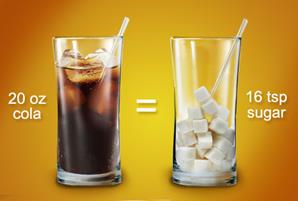
- Too much added sugar involved in several adverse health consequences
- How to reduce sugar intake
- Too much fructose wreaks havoc with your health
Nutritive sweeteners / Minimally refined
- Raw Honey
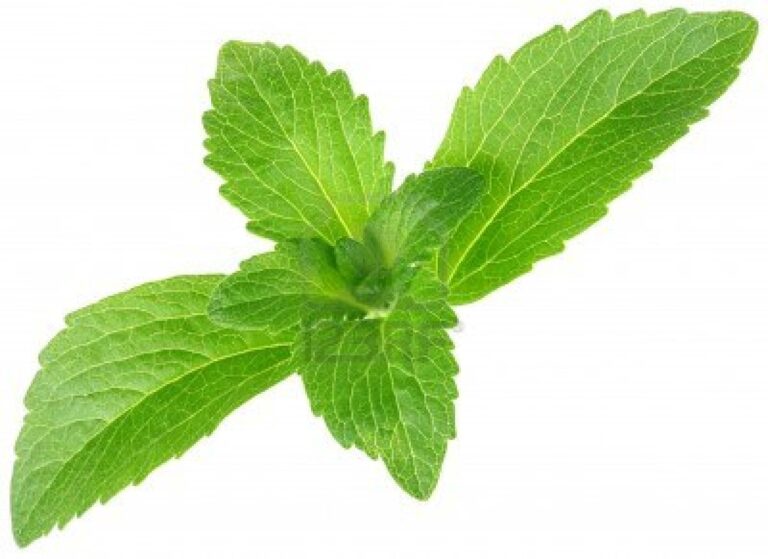
- Stevia
- Maple syrup
- Blackstrap molasses
- Barley malt syrup
- Date sugar / syrup
- Dehydrated / Evaporated natural sugar cane juice ( Rapidura®; Sucanat®)
- Muscovado, Turbinado sugars
- Coconut sugar
Nutritive sweeteners / Highly refined
- Sugar Sugar – – – 🎵 And you got me wanting you – 🎶
- Brown, demerara cane, beet sugar
- Corn syrup (glucose syrup made from cornstarch)
- High fructose corn syrup (HFCS) – Try and avoid it for your health’s sake
- Invert sugar
- Golden syrup
- Rice syrup
- Dextrose
- Maltodextrin
-
-
-
- Non-nutritive Sweeteners (NNS)
-
-
-
Non-Nutritive Sweeteners (NNS)
Natural Non-nutritive Sweeteners (NNS)
Sugar Alcohols
Sugar alcohols – Are these healthy sweeteners?
- Erythritol
- Xylitol
- Maltitol, mannitol, sorbitol, lactitol, isomalt
Non-nutritive Artificial Sweeteners (NAS)
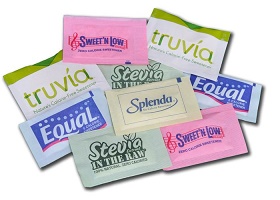
Non-nutritive Artificial Sweeteners (NAS) have been linked to several health issues – including altering gut flora and weight gain!
- Sucralose – Organochlorine – “Yellow packet”
- Aspartame – Neurotoxin – “Blue packet”
- Saccharin – “Pink packet”
- Acesulfame K (Ace K)
- Neotame
- Cyclamate
- Advantame
-
-
-
- Too much sugar
- Too much fructose
-
-
-
Fructose – Too much associated with INSULIN resistance / T2D / obesity, fatty liver and CVD
- Fructose – Overview
- Fructose digestion / metabolism
- How much fructose are we consuming
- Excess consumption leads to health problems
-
-
-
What is it?
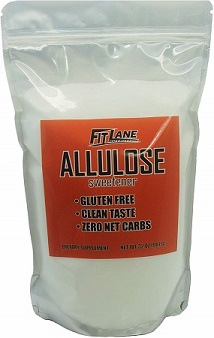
Allulose (a.k.a. D-piscose) is a promising low calorie sugar substitute that is demonstrating both antihyperglycemic (preventing weight gain/obesity) and anti-lipidemic (preventing ischaemic CVD) effects. It has 0.4 calories/g (<10% of the calories of sugar), is ~70% as sweet, can be used like sugar E.g. in baking and to sweeten beverages, and is reported to leave no unpleasant after-taste when mixed with other foods. It browns in baking, melts, caramelizes in candies and syrups, and it disperses well in batter without needing additional water. Finally it does not recrystalize like erythritol and is less grainy in uncooked foods, such as whipped cream. Allulose is sold as crystallized granules and as a syrup.
Allulose is a simple sugar found in nature, but not in abundance. E.g. it is found in trace amounts in raisins, figs, kiwi, maple syrup, molasses and wheat. This monosaccharide has the same chemical formula as fructose.
Production method. Typically, corn is broken down into starch and fructose. Genetically engineered enzymes convert fructose to allulose, but these GMO enzymes are removed from the final product, which would ostensibly make it non-GMO. However, with some companies, this is a moot point since they are using GMO corn. Feasably in the future, these companies may choose to use non-GMO corn or some other source such as sugar cane.
The U.S. FDA has ruled that allulose can be excluded from total and added sugar counts on nutrition labels.
| Name | Calories / Gram | Sweetness Index | Glycemic Index | Calories / Spoon-Equiv. sweetness to sugar | Taste | Aftertaste |
|---|---|---|---|---|---|---|
| Allulose | 0.4 | 0.7 | 0 | 0.5 | Good | No |
Some brand-names of allulose | ||
|---|---|---|
| Brand | Non-GMO | Manufacturer |
| Dolcia Prima® | N | Tate and Lyle |
| Wholesome Sweeteners® | Y | |
| All Sweet® | Y | Korean |
| Health Garden® | Y | |
| Nutricost® | Y | |
| Better Foods | Y | |
| Keystone pantry | Y | |

Allulose does not raise blood sugar, cause weight gain, or cause dental caries
ssentially allulose has a net carb count of zero calories
- Although 70-84% of allulose is absorbed from the intestines, it is eliminated in the urine without being metabolized.
- Allulose consumption does not seem to raise blood sugar or insulin. The body absorbs allulose but does not metabolize it into glucose
Supporting studies
- Introduced in 2015, allulose was FDA-approved in April 2019. At time of writing, research has been limited but promising – especially regarding weight loss and blood sugar management.
- A 2017 rat study found that rats who drank allulose syrup for 10 weeks gained less weight, had less body fat, and had lower blood glucose and insulin. levels than rats who were given the same amount of high-fructose corn syrup. The amount of hepatic glycogen was more than 3 times higher in the allulose group. Results implied that allulose maintains glucose tolerance (preventing prediabetes) and insulin. sensitivity. Journal of Agricultural and Food Chemistry, 2017
- A small 20 person study found that acute D-psicose administration decreased the glycemic responses to an oral maltodextrin tolerance test in normal adults. Consuming allulose lowered subjects’ blood sugar and insulin. levels and may be suitable for diabetics. PubMed
- Human trials showed that allulose attenuates postprandial glucose levels in healthy subjects and in borderline diabetic subjects. Science Direct https://www.ncbi.nlm.nih.gov/pubmed/19155592
- Korean randomized/placebo-controlled preliminary study with 121 adults found that body fat percentage and body fat mass were significantly decreased following D-allulose supplementation. “The high D-allulose group (taking 7g D-allulose twice daily) revealed a significant decrease in not only body mass index (BMI), but also total abdominal and subcutaneous fat areas measured by CT scans compared to the placebo group. There were no significant differences in nutrient intake, plasma lipid profiles, markers of liver and kidney function, and major inflammation markers among groups.” pdf
Obviously, significantly more human research is needed before we can do a “Eureka sugar dance”.
Side effects
Consumption can result in flatulence, abdominal discomfort and diarrhea. By causing incomplete absorption of carbs from the GI tract, these carbs can then be fermented by intestinal flora. The maximum “non-effect dose” of allulose in causing diarrhea in humans has been found to be 0.55 g/kg of body weight (~34g for a 130 pound person). This is higher than that of most sugar alcohols (0.17 – 0.42 g/kg), but is less than that of erythritol (0.66 – 1.0+ g/kg). WikipediaLorem ipsum dolor sit amet, consectetur adipiscing elit. Ut elit tellus, luctus nec ullamcorper mattis, pulvinar dapibus leo.