





Androgenic alopecia (Male pattern balness)
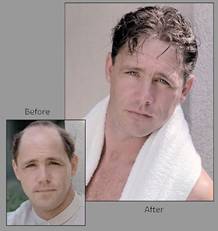
What is androgenic alopecia?
hair loss at crown and temples in men.
Causes
Prostaglandin D2 (or PGD2)
This prostaglandin binds to the receptor PTGDR (DP1), as well as CRTH2 (DP2). It is a major prostaglandin produced by mast cells – recruits Th2 cells, eosinophils, and basophils. In mammalian organs, large amounts of PGD2 are found only in the brain and in mast cells. It is critical to development of allergic diseases such as asthma. Research carried out in 1989 found PGD2 is the primary mediator of vasodilation (the “niacin flush”) after ingestion of niacin (nicotinic acid).
A 2012 research paper indicates a causal link between elevated levels of localized PGD2 and hair growth inhibition. Applied topically, the researchers found PGD2 prevents hair growth, and mice that were genetically inclined to produce higher levels of PGD2 had inhibited hair growth. The researchers also found PGD2 levels were much higher in balding scalp tissue than nonbalding scalp tissue, through increased levels of prostaglandin D2 synthase. The paper suggested that inhibition of hair growth involved binding of PGD2 to a receptor called GPR44, and that GPR44 therefore would be a therapeutic target for androgenic alopecia in both men and women with hair loss and thinning. Because PGD2’s relation to asthma has been known for several years, several drugs that seek to reduce the effect of PGD2 through blocking the GPR44 are already in clinical trials.

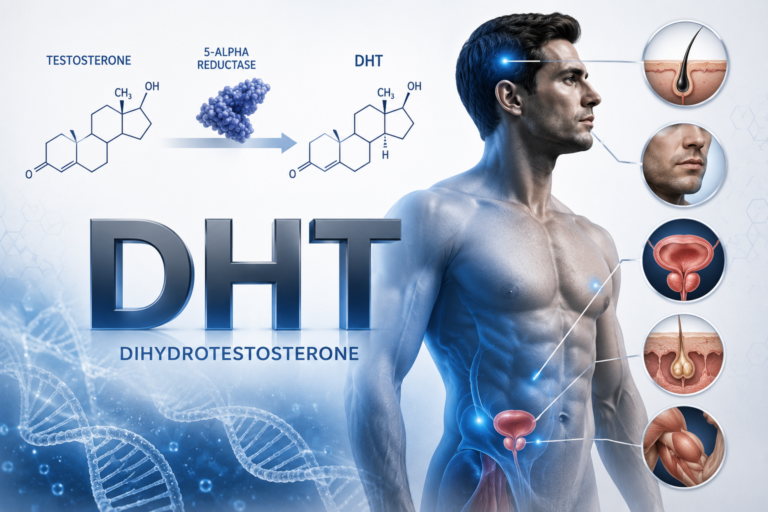
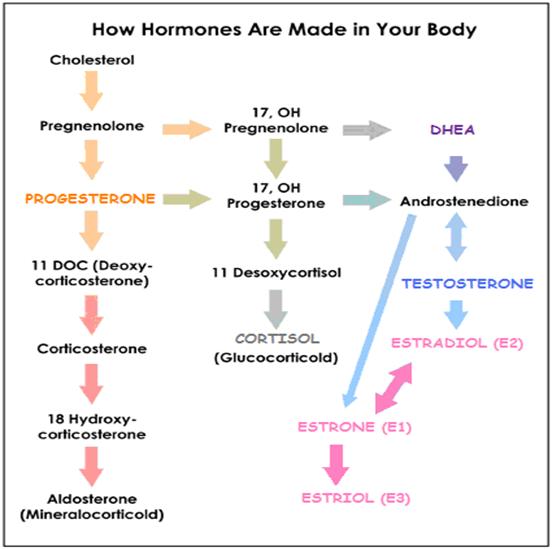
DHT
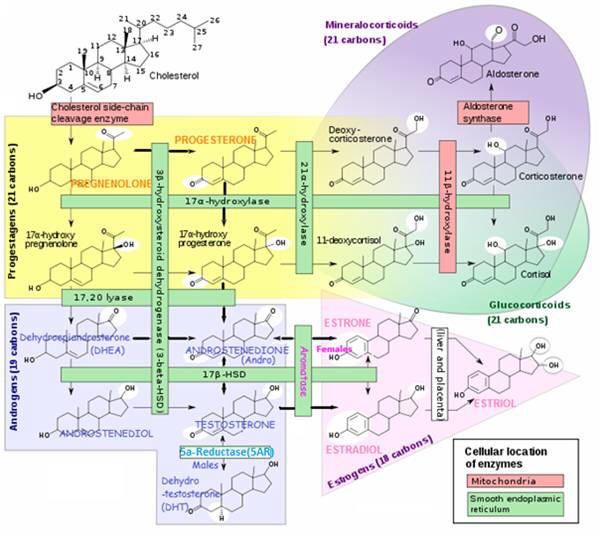
- DHT is the primary contributing factor in Male Pattern Baldness (Androgenetic alopecia). Although normal amounts of DHT promote hair growth, high DHT levels can cause hair loss. Genetic factors exacerbate the problem.
- A hair follicle contains one strand of hair that develops over 2-6 years (shave it off and it will keep growing out). After a resting phase, the hair falls out and the follicle grows a new hair.
- High levels of DHT can:
- Shrink hair follicles
- Shorten the growing cycle, causing hair to grow out looking thinner / more brittle
- Cause hair to fall out faster and extend the time it takes a follicle to grow new hairs
What Is DHT? What is its Role in Hair Loss? – Medical News TODAY
Follicle requires a lot of oxygen for its mitochondria to function properly. Although testosterone decreases with age, DHT increases. Strongest driver of DHT production from testosterone is INSULIN resistance
Hair growth stops with:
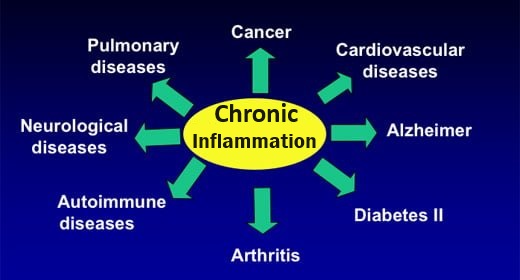
Lack of oxygen causes inflammation /scar tissue,
Too much DHT
DHT receptors are more sensitive
How-to
Fix the follicle
How-to treat androgenic alopecia
The solution is to fix the follicle
When a hair is transplanted from one area of the skin to the balding area, the hair shaft is transplanted with its living follicle. The hair will likely fall out, but the follicle will begin growing a new hair under the skin in about 3-4 months, revealing itself in about 9 – 12 months.
Correct IR
Nutrients
Zinc (3040mg) and vitamin D stimulate stem cells / growth factors of hair. Sauerkraut (phytonutrients, high in C)
Natural 5AR inhibitors
Saw palmetto, pumpkin seed oil, EGCG (in green tea), peppermint oil
Scalp stimulation
Microneedling
Red / Infrared therapy
Increases energy output from follicle mitochondria
Rosemary oil
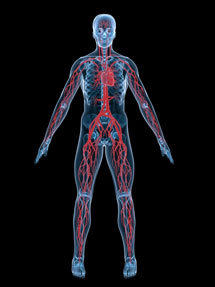
Improve circulation reduce DHT / inflammation, protect mitochondria