HORMONES CHART - Types, sources and effects
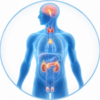
HORMONES:

AMINE HORMONES CHART |
|||||
|---|---|---|---|---|---|
| * Catecholamine (CAT) – Adrenal “Fight or Flight”hormones released in response to stress; Part of the sympathetic nervous system. | |||||
| Amino Acid | Hormone | Abbr. | Source | Target | Effect |
| Tryptophan | MELATONIN | MEL | Pineal gland | Body | Antioxidant / causes drowsiness |
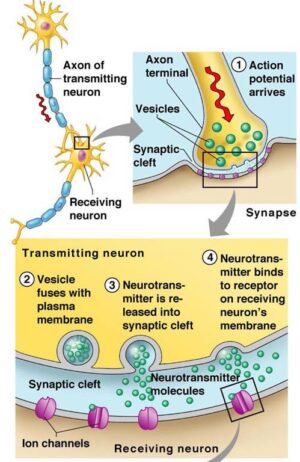
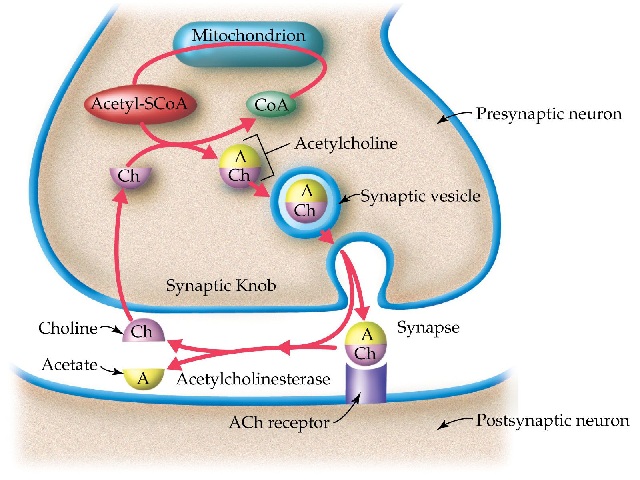
| SEROTONIN | 5-HT | CNS, GI Tract | Controls mood, appetite, sleep | ||
| Tyrosine | Thyroxine | T4 (storage form converts to T3) |
Thyroid gland (80-90% of TH output) |
e.g. converts in liver, kidneys, muscles | Increases cellular metabolism Weak thyroid hormone (TH) form; ▲ BMR and sensitivity to catecholamines (CATs); affects protein synthesis |
| Triiodothyronine | T3 (active) |
Thyroid gland | Body | (3-4 x more potent than T4;
▲ BMR and sensitivity to CATs; affects protein synthesis |
|
| Tyrosine CATs* | EPINEPHRINE (ADRENALINE) | Adrenal medulla | Primarily: Heart, blood
vessels, liver, skeletal muscle. Also lungs, kidneys, adipose, eyes, GI tract |
Mediates “Fight or flight” response;
suppresses non-emergency systems (E.g digestion, immune system) ▲ Heart rate, blood glucose and energy availability. Dilates pupils; Dilates airways |
|
| NORADRENALINE (NORADRENALINE)(Neurotransmitter) | Adrenal medulla | Heart, blood vessels, liver, kidneys, adipose tissue | Supports “Fight or flight” response;
▲ Oxygen / Glucose supply to brain / muscles ▲Skeletal muscle readiness. Increases blood pressure (vasoconstriction). Mobilizes energy stores. Enhances alertness. Reduces renal flow (▲renin release). LIver. ▲glucose production ((glycogen breakdown and gluconeogenesis) Adipose tissue. ▲fat breakdown |
||
| DOPAMINE (Neurotransmitter) | Kidney, hypothalamus, nervous tissue | ▲Heart rate, blood pressure Inhibit release of prolactin & TRH | |||
| Histidine | HISTAMINE | Stomach | ▲Stimulate gastric acid secretion | ||

POLYPEPTIDE HORMONES CHART |
||||
|---|---|---|---|---|
| Hormone | Abbr. | Source | Target | Effect |
| Activin | Ovaries, estes, pituitary, placenta, more | Anterior pituitary(primary) | Modulates immune / inflammatory response and tissue repair. | |
| Ovaries, testes, placenta, and more | Stimulates FSH; Regulates ovarian follicle development. Supports spermatogenesis. | |||
| Antimullerian hormone | AMH | Testes (sertoli cells), Ovarian follicles (granulosa cells) | Müllerian ducts (male fetus); | Prevent development of uterus, fallopian tubes and upper vagina in male embryos. Male sexual development. |
| Ovarian follicles (female) | Regulates follicle recruitment / growth | |||
| Adiponectin | Adipose | |||
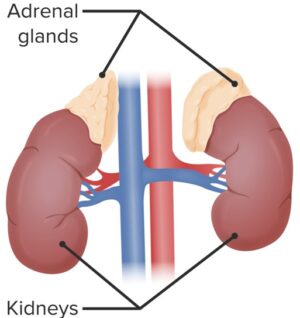
| Adrenocorticotropin hormone | ACTH | Anterior pituitary | Adrenal cortex | Synthesis of glucocorticoids and weak androgens in adrenal cortex |
| Angiotensinogen / Angiotensin I and II | AGT | Liver | Blood vessels (primary) | ▲ Vasoconstriction / BP |
| Hypothalamus | ▲ Thirst and ADH release | |||
| Adrenal cortex | ▲ Aldosterone release | |||
| Heart | ▲ Cardiac workload | |||
| Kidneys, | ▲ Sodium and water reabsorption | |||
| Antidiuretic hormone (Vasopressin) (Neurohormone) | ADH | Posterior pituitary | Kidneys | ▲ Water retention. ▼ Urine output |
| Blood vessels | ▲ vasoconstriction / BP | |||
| Hypothalamus | Regulates thirst / water balance (minor) | |||
| Atrial-Natriuretic peptide | ANP | Heart (atrial muscle cells) | Kidneys (primary) | Inhibits renin release ▲ Sodium / water retention. ▼ Urine output |
| Blood vessels | ▲ Vasodilation ▼ BP | |||
| Adrenal cortex | Inhibits aldosterone secretion | |||
| Brain Natriuretic peptide | BNP | Heart (mainly ventricular muscle cells) | Kidneys (primary) | Minor to ANP. ▲ Sodium and water excretion Inhibits renin release |
| Blood vessels | ▲ Vasodilation ▼ BP | |||
| Adrenal cortex | Inhibits aldosterone secretion | |||
| Calcitonin | Thyroid gland (parafollicular cells) | Bone (primary) | Construct bone. Inhibit osteoclasts ▼ Bone reabsorption | |
| Kidneys | ▲ Calcium and phospate excretion ▼ Reduce blood Ca2+ | |||
| CHOLECYSTOKININ (Neuropeptide) | CCK | Duodenum, jejunum (Enteroendocrine cells). Neurons (brain & enteric system) | Gallbladder (primary) | ▲ Release bile |
| Pancreas | ▲ Release pancreatic enzymes | |||
| Stomach | ▼ Slows gastric emptying | |||
| Brain | Hunger suppressant / Promotes satiety | |||
| Corticotropin-releasing hormone (neurohoromne) | CRH | Hypothalamus | Anterior pituitary (primary) | Stimulates ACTH secretion. CRH release stimulated by physical / emotional stress, infection / inflammation, low blood cortisol. Can contribute to chronic stress / anxiety disorders, depression and Cushing disease CRH inhibited by cortisol (negative feedback) |
| Endothelin | ET | Endothelium (vascular endothelial cells)(primary) | Blood vessels (primary), | ▲ Vasoconstriction / BP Modulates blood flow |
| Kidneys + heart, lungs | Regulates kidney function / fluid balance / renal blood flow | |||
| Hormone | Abbr. | Source | Target | Effect |
| Enkephalin (Neuropeptide) | Neurons of brain, spinal cord and enteric nervous system. Adrenal medulla | Brain (primary) | Reduces pain perception. Influences mood / stress. | |
| Spinal cord, peripheral nerves | Inhibit pain signals: SC. from sensory neurons to ascending pathways. PNs. Inhibit release of neurotransmitter pain signals from pain-sensing neurons (nociceptors) | |||
| GI tract | Decreases intestinal motility and secretion of digestive and protective fluids into lumen | |||
| Erythropoietin | Kidney | Bone marrow | Stimulate erythrocyte (RBC) production | |
| Follicle stimulating hormone | FSH | Anterior pituitary | Ovaries, testes | Regulates development groth, pubertal maturation and reproductive processes. Female: regulates oogenesis; stimulates maturation of ovarian Graafian follicles Male: spermatogenesis; enhances sex hormone binding globulin (SHBG) production by teste’s Sertoli cells |
| Gastrin | Stomach, duodenum | Gastric acid secretion by parietal cells | ||
| Ghrelin | Stomach | Stimulate appetite / GH secretion from anterior pituitary gland | ||
| Hormone | Abbr. | Source | Target | Effect |
| GLUCAGON Neurotransmitter | Pancreas | Liver | Glycogenolysis and gluconeogenesis in liver ▲ Blood glucose | |
| Gonadotropin-releasing hormone | GnRH | Hypothalamus | FSH and LH release from anterior pituitary | |
| Growth hormone releasing hormone / factor | GHRH/F | Hypothalamus | GH release from anterior pituiatary | |
| Human chorionic gonadotropin | HcG | Placenta | Maintain corpus luteum in early pregnancy /Inhibit immune response to embryo | |
| Human placental lactogen | HPL | Placenta | Decreases maternal InsulinN sensitivity to keep mother’s blood glucose available for baby ▲ Insulin + IGF-1 production ▲ IInsulin Resistance (IR) & carbohydrate intolerance | |
| Growth hormone | GH or hGH | Anterior pituitary | Bone, muscle | a.k.a. Human growth hormone (hGH); Stimulates growth / development; stimulates protein production; cell reproduction |
| Inhibin | Testes, ovaries, fetus, placenta (fetal trophoblasts) | Inhibits pituitary FSH production / secretion | ||
| Insulin | Pancreas | Liver, muscles, fat | Inhibits GLUCAGON release; Lowers blood sugar levels: promotes uptake of glucose in liver, muscle, & fat cells from blood, stored as glycogen in liver and muscle. Glycogenesis & glycolysis in liver. Lipid intake and TG synthesis in adipocytes. Stimulates protein metabolism | |
| Insulin-like growth factor | IGF-1, IGF-2 | Liver | Insulin-like effects. Regulate cell growth & development | |
| Leptin | Adipose tissue | ▼ Appetite ▲ Metabolism | ||
| Lipotropin | Anterior pituitary | Lipolysis, steroidogenesis. Stimulates melanin production by melanocytes | ||
| Luteinizing hormone | LH | Anterior pituitary | Ovaries, testes | Female: ovulation. Regulates egg development / maturation Male: Spermatogenesis; stimulate Lehdig cell testosterone production |
| Melanocyte stimulationg hormone | MSH | Anterior pituitary, pars intermedia | De novo melanin production by melanocytes in skin and hair | |
| Natriuretic peptide (ANP, BNP) | Heart | Kidneys (primary), Blood vessels, adrenals, heart, brain | ||
| Neuropeptide Y | NP Y (Neuropeptide) | Stomach | Production: ▲ Increased by food intake ▼ Reduced by physical activity | |
| Orexin (Hypocretin) | Neuropeptide, not a hormone | Hypothalamus | Wakefulness ▲ Energy expenditure ▲ Appetite | |
| OXYTOCIN (Neurotransmitter) | Posterior pituitary | Mammary glands | Release breast milk; Contraction of cervix/vagina Involved in: orgasm, trust between people, circadian homeostasis (body temp., activity level, wakefulness) | |
| Pancreatic polypeptide | PP | Pancreas | – Self regulates pancreatic exocrine and endocrine secretion; – Effects hepatic glycogen levels – Effects GI secretions | |
| Parathyroid hormone | PTH | Parathyroid gland (chief cells) | Bone | Increases bone resorption releasing calcium into the blood |
| KIdneys | Increases calcium (Ca2+) reabsorption Decreases phosphate reabsorption Stimulates formation of active vitamin D (calcitriol), which increases calcium and phosphate absorption from food. | |||
| Prolactin | PRL | Anterior pituitary, Uterus | Mammary glands | ▲ Milk production controlled by inhibition (DOPAMINE) rather than stimulation by a hypothalamic-releasing hormone. Sexual gratification after sexual acts |
| Prolactin-releasing hormone | PRH | Hypothalamus | Releases prolactin from anterior pituitary | |
| Relaxin | Corpus luteum (primary), placenta, testes, prostate | Uterus, cervix, pelvic ligaments, kidneys | Reduces uterine contractions, softens cervix and relaxes connective tissue for childbirth Increases renal blood flowBelieved to soften pubic symphysis Enhances sperm motility | |
| Renin | Kidneys | Activates renin-angiotensin system (produces angiotensin I from angiotensinogen) | ||
| Resistin | Macrophages, other immune cells | Liver, skeletal muscle, adipose tissue | Promotes insulin resistance. Regulates glucose metabolism. Contributes to inflammation | |
| Secretin | Duodenum | ▲ Secretion of bicarbonate: from liver, pancreas, duodenal Brunner’s glands. ▲ Effects of CHOLECYSTOKININ ▼ (stops) Gastric juice production | ||
| SOMATOSTATIN | SS Neurotransmitter | Hypothalamus, Islets of Langerhans, GI system | Anterior pituitary | ▼ Inhibit release of pituitary GH and TRH. ▼ Suppress release of: gastrin, CCK, SECRETIN, motilin, VIP, GIP, Enteroglucagon in GI system ▼ Lowers gastric emptying rate ▼ Reduces smooth muscle contractions and blood flow within the intestine ▼ Inhibit pancreatic release of insulin and GLUCAGON ▼ Suppress pancreatic exocrine secretion. |
| Thrombopoietin | Liver, kidneys, striated muscle | Produce platelets | ||
| Thyroid-stimulating hormone (aka Thyrotropin) | TSH | Anterior pituitary | Thyroid | ▲ Thyroid gland secretion of T4 and T3 |
| Thyrotropin-releasing hormone | TRH | Hypothalamus | ▲ Releases TSH ▲ Stimulates PRL release | |
STEROID HORMONES CHART |
||||||
|---|---|---|---|---|---|---|
INFORMATION ON STEROIDS
|
||||||
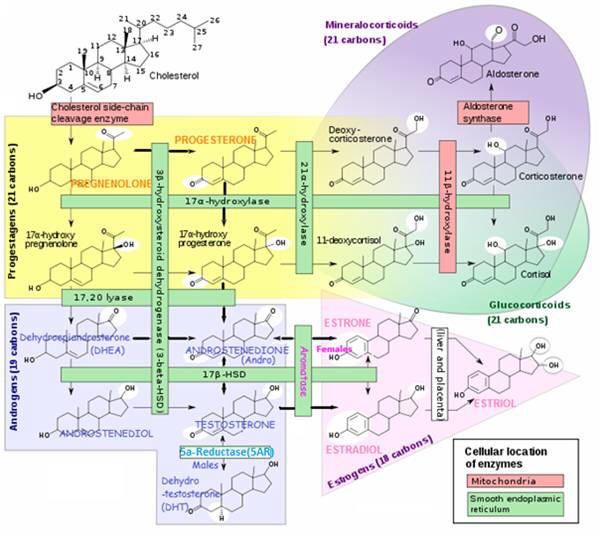
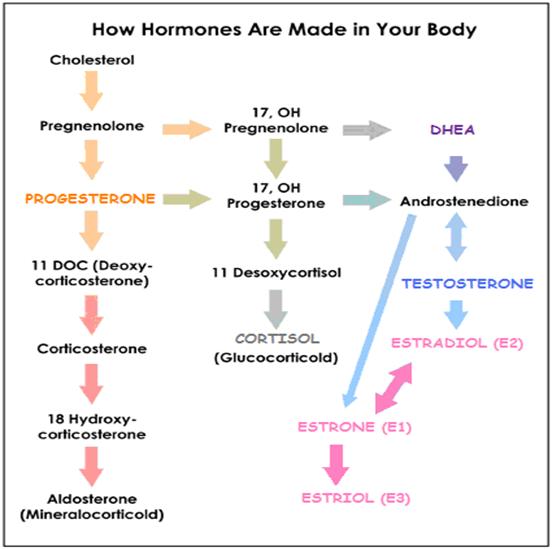
| Gluco-corticoid | Cortisol | Adrenal cortex | Anti-inflammatory / Immunosuppressive ▲ Stimulate gluconeogenesis ▼ Inhibit glucose uptake in muscle/fat cells ▲ Mobilize amino acids from extrahepatic tissues ▲ Stimulate fat breakdown in adipose tissue |
|||
| Mineralo-corticoid | Aldosterone | Adrenal cortex | Increase blood volume (reabsorbs sodium in kidneys) Potassium and H+ secretion in kidney | |||
|
S E X S T E R O I D S |
A n d r o g e n s | Testosterone | Testes |
Libido/ Anabolic (Energy building):▲ muscle mass/strength , bone density, growth Virilzing: sex organ maturation /scrotum formation, deep voice, male-pattern hair growth |
||
| Dehydroepiandrosterone | DHEA | Testes, ovaries, kidneys | Virilization, anabolic | |||
| Androstenedione | ANDRO | Adrenal glands, gonads | Substrate for Estrogen | |||
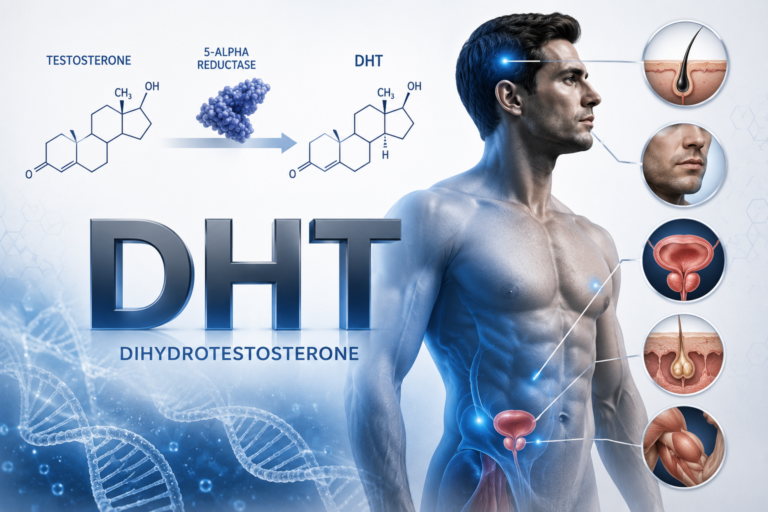
| Dihydrotestosterone | DHT | Hair follicles, other | ||||
|
S E X S T E R O I D S |
E s t r o g e n s | Estradiol | E2 | Ovaries, testes | Females:
Structural:Maintain blood vessels/skin▲ Formation of female secondary sex characteristics ▲ Height growth ▲ Metabolism (fat-burning) ▲ Endometrial / uterine growth ▲ Bone formation ▼ Muscle mass ▼ Bone resorption (increases bone formation) Protein synthesis:Production of hepatic binding proteinsCoagulation:▲ Circulating levels of factors 2, 7, 9, 10, anithrombin III, plasminogen;▲ Platelet adhesiveness Fats:▲ HDL, TGs ▲ LDL, fat depositionFluid balance:▲ Salt (Na) / water retentionHormones:▲ GH, Cortisol, SHBGGI tract:▲ Bowel motility ▲ Cholesterol in bileMelanin:▲ Pheomelanin ▼ EumelaninCancer:Promotes hormone-sensitive cancersLUNG FUNCTION:▲ Supports alveoli. Males: Prevent apoptosis of germ cells |
|
| Estrone | E1 | Ovaries | ||||
|
S E X S T E R O I D S |
Estriol | E3 | Placenta | |||
| P r o g e s t a g e n s | Progesterone | Ovaries, pregnant placenta,Adrenal glands |
Support pregnancy:Convert endometrium to secretory stage; Make cervical mucus permeable to sperm;▼ Inhibit immune response to embryo ▼ Uterine smooth muscle contractility ▼ Lactation ▼ Onset of labor ▲ Fetal production of adrenal mineralo- and glucosteroids Other:▲ Epidermal growth factor-1 – has a vital role in the production of collagen, elastin, and hyaluronic acid for epithelial / epidermal growth▲ Core temperature during ovulation ▼ Spasm ▼ Gallbladder activity Relax smooth muscle (widen bronchi/regulate mucus) Anti-inflammatory Normalize: blood clotting /vascular tone, zinc and copper levels, cell oxygen levels, and use of fat stores for energy. Assist thyroid function Support bone growth (supports osteoblasts), teeth, gums, joints, tendon, ligament, skin (heals by regulating collagen); Help nerve function / healing by regulating myelin. Prevent reproductive organ cancers by regulating effects of estrogen |
|||
| Pregnenolone | ||||||
| Sterols | Calcitriol (1,25 dihydroxyvitamin D3) | Skin, proximal tubule of kidneys | Active form of vitamin D ▲ Calcium and phosphate absorption from GI tract and kidneys ▼ Inhibit release of PTH |
|||
| Calcidiol (25-hydroxyvitamin D3) | Skin, proximal tubule of kidneys | Inactive form of vitamin D | ||||