
- Food Types
-
-
Food types we eat:
When choosing foods from each food type - the details matter 
Fruits / Veggies 
Legumes 
Fats / Oils 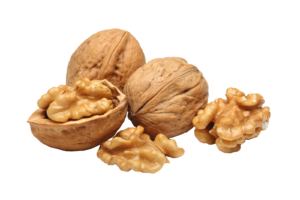
Nuts / Seeds 
Meat 
Grains 
Fish 
Beverages 
Dairy 
Sweeteners 
Eggs 
Herbs, spices, salt
-
-
- Nutrients
-
-
Nutrients we need:

Glucose Provided by carbohydrates; needed to produce cellular energy 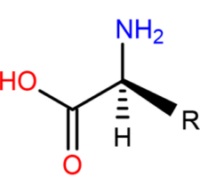
Amino acids Protein building blocks 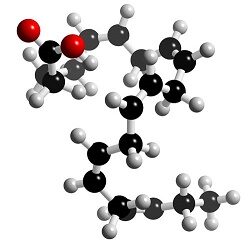
Fatty Acids Fat building blocks 
Fiber Stool softener and intestinal sweeping brush 
Antioxidants
/ VitaminsNeutralize oxidants. Vitamins (A, B, C, D, E ), phytonutrients(carotenoids, polyphenols), others (CoQ10) 
Minerals ~ 25 of the 92 naturally occurring major and trace mineral elements are essential for life. Magnesium, sulfur, selenium, zinc, manganese may not be sufficiently present in diet and may need to be supplemented. 
Enzymes Make things happen! Composed of amino acid chains, enzymes act as catalysts to speed up biochemical reactions in our body. 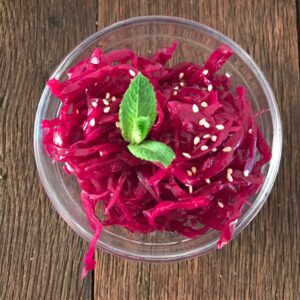
Probiotics – “For Life!”
More than 2/3 of your immune system is in your gut, dependent on a healthy presence of microflora. 
Food electrons Needed for cellular energy production Harmful Foods / Practices

Genetically modified foods
/ GMOsGM plant or animal foods having adverse health-effects. DNA molecules from bacteria, viruses, insects, plants, animals, humans are combined to form new genes to transfer to plants for herbal tolerance of weed-killer and / or insect-resistance, or animals / fish for selective breeding of desirable traits 
Monosodium glutamate (MSG) 
Aspartame This sugar-free sweetener is a neurotoxin 
Sucralose 0 calorie sweetener is a harmful organochlorine 
Chlorination Disease-causing disinfectant in your water 
Fluoridation Mega health fraud 
Microwaved food - Not so convenient for your health Harmful when eaten to excess

High Fructose
Corn Syrup (HFCS)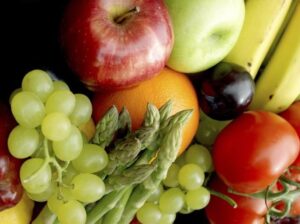
Too much fructose 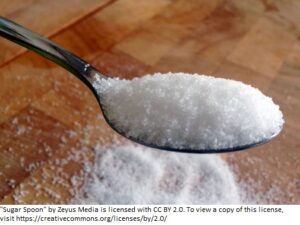
Too much sugar 
Too much caffeine 
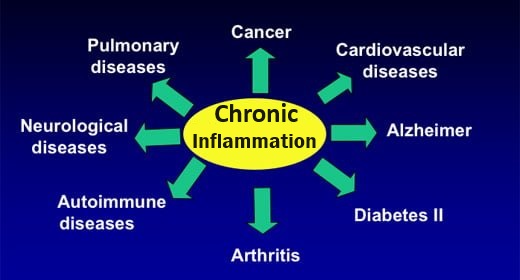
Antinutrients Particularly lectins (e.g. prolamins, agglutinins) and phytate in IMPROPERLY prepared WHOLE grains, seeds, nuts and legumes. Lectins can cause a “leaky gut” inflammation leading to IBS, allergies, asthma, arthritis, anemia, obesity, +++ ; Phytate can cause malabsorption of magnesium, calcium, iron, copper, and zinc; 
Alcohol Moderation is the key Good general food choices
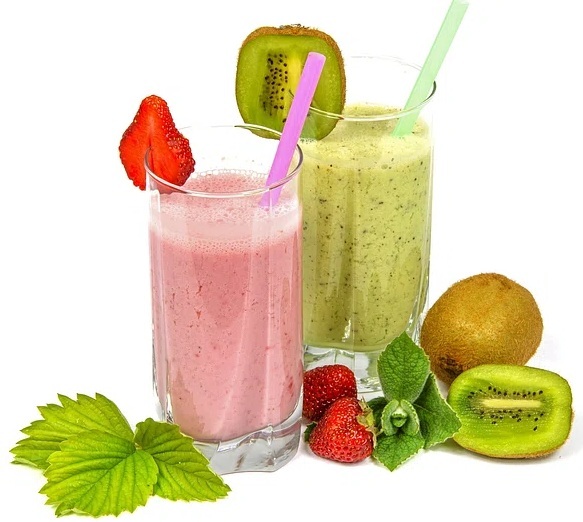
Daily 'No-brainer'
💡
"Make-it-Happen" smoothie:This daily drink with supporting supplements contains nutrients typically missing from our diet to restore / maintain physical and mental health. It includes the Rath-Pauling therapy at maintenance level providing important antioxidant vitamin C and amino acids for building collagen, also Omega-3 fats, magnesium, iodine, and vitamin D 
RECOMMENDED DAILY SUPPLEMENTS CHART 
Grown in your native environment i.e. locally grown and in season 
Organic – What does that mean? Natural, unprocessed and organic (chemical/GMO-free). 
Glycemic Index (GI) vs. Glycemic Load (GL) A food's glycemic index indicates how much it raises blood sugar, but its glycemic load (GL) gives a gives a truer comparison between foods, since it accounts for typical serving size. 
What foods does the bible
say are good to eat or not?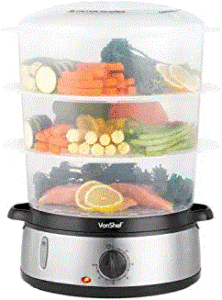
Cooking to preserve nutrients Aim for at least 1/3 raw. Raw food contains enzymes, which are destroyed by heat. Some nutrients are made more bioavailable by heating, some are destroyed. 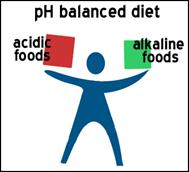
ACID / ALKALINE BALANCE
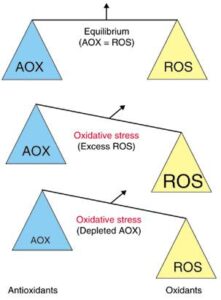
ANTIOXIDANT / OXIDANT BALANCE
-
-
- Harmful foods / practices
-
-
Harmful Foods / Practices

Genetically modified foods / GMOs GM plant or animal foods having adverse health-effects. DNA molecules from bacteria, viruses, insects, plants, animals, humans are combined to form new genes to transfer to plants for herbal tolerance of weed-killer and / or insect-resistance, or animals / fish for selective breeding of desirable traits Monosodium glutamate (MSG) Aspartame This sugar-free sweetener is a neurotoxin Sucralose 0 calorie sweetener is a harmful organochlorine Chlorination Disease-causing disinfectant in your water Fluoridation Mega health fraud Microwaved food - Not so convenient for your health Harmful when eaten to excess
High Fructose
Corn Syrup (HFCS)Too much fructose Too much sugar Too much caffeine 
Antinutrients Particularly lectins (e.g. prolamins, agglutinins) and phytate in IMPROPERLY prepared WHOLE grains, seeds, nuts and legumes. Lectins can cause a “leaky gut” inflammation leading to IBS, allergies, asthma, arthritis, anemia, obesity, +++ ; Phytate can cause malabsorption of magnesium, calcium, iron, copper, and zinc; Alcohol Moderation is the key
-
-
- Good choices
-
-
Good nutritional choices
Daily 'No-brainer' 💡
"Make-it-Happen" smoothie:This daily drink with supporting supplements contains nutrients typically missing from our diet to restore / maintain physical and mental health. It includes the Rath-Pauling therapy at maintenance level providing important antioxidant vitamin C and amino acids for building collagen, also Omega-3 fats, magnesium, iodine, and vitamin D RECOMMENDED DAILY SUPPLEMENTS CHART Grown in your native environment i.e. locally grown and in season Organic – What does that mean? Natural, unprocessed and organic (chemical/GMO-free). Glycemic Index (GI) vs. Glycemic Load (GL) A food's glycemic index indicates how much it raises blood sugar, but its glycemic load (GL) gives a gives a truer comparison between foods, since it accounts for typical serving size. What foods does the bible
say are good to eat or not?Cooking to preserve nutrients Aim for at least 1/3 raw. Raw food contains enzymes, which are destroyed by heat. Some nutrients are made more bioavailable by heating, some are destroyed. ACID / ALKALINE BALANCE
ANTIOXIDANT / OXIDANT BALANCE
-
-

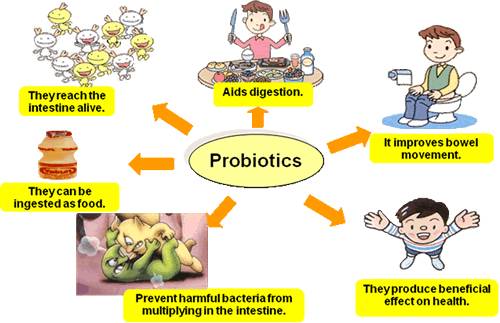
Probiotics are essential for optimal digestion of food and absorption of nutrients, and to help your body produce vitamins, absorb minerals and aid in the elimination of toxins – Green Med Info lists over 200 studies linking the lack of probiotics to more than 170 different diseases and health problems.
Some health problems for which probiotic supplementation has shown promising results |
|
| •Celiac disease, leaky gut, irritable bowel syndrome (IBS) | •Mood, psychological health, and behavior |
| •Insulin resistance, metabolic syndrome,and diabetes | •Liver diseases, such as cirrhosis and cancer |
| •Epstein-Barr virus | •Chronic fatigue syndrome |
| •High cholesterol / hypertension | •Skin problems E.g. Acne |
| •Eczema and atopic dermatitis | •Common cold, influenza, and pneumonia |
| •Herpes | •Food/wheat allergies |
| •Diarrhea, Travelers diarrhea | •Allergic rhinitis |
| •Baby’s health and on through life | •Cancer / Autoimmune problems |
| •Halitosis | •Vaginal infections |
A few specific uses for probiotics:
- Adjuvant therapy (with antibiotic regimens against H. Pylori) for increasing eradication rate of H. Pylori. So suggests a recent meta-analysis of 14 randomized trials;
- Treatment for depression by increasing SEROTONIN levels. Potentially improving mood and emotions. About 90% of body’s SEROTONIN is produced in the intestines – and not the brain! In particular, probiotics Lactobacillus and Bifidobacterium decrease anxiety and improve cognition, and may have a role in SEROTONIN production.
- Fight cancer and autoimmune diseases. Population studies have shown that there is a strong relationship between diet, microflora and certain cancers, particularly colon cancer.
Studies have shown that the microflora of cancer patients consists mainly of harmful bacteria such as Clostridia. These bacteria form harmful compounds that are thought to be carcinogenic. Some experts believe that these lactic acid bacteria, together with others such as the Bacteroides (the most predominant in the digestive tract), play an important role in the prevention of bowel problems such as IBS. Evidence suggests the possibility of a causal relationship between unbalanced intestinal microflora and some auto-immune diseases;
American research recently showed that bits of probiotic cell walls kill cancer cells in vitro
- Reduce recurring vaginal infections. These include candida (as shown in a study comparing women who ate yogurt containing live bacteria with those who ate pasteurized (sterile) yogurt – the group eating live bacteria yogurt had significantly fewer vaginal infections than the pasteurized group. (Archives of Family Medicine, Nov-Dec 1996).
- Probiotics prevent the overgrowth of yeast and fungus. by establishing large, healthy populations of friendly bacteria that compete with the Candida that is trying to take up residence in the intestine. Probiotics are essential in the treatment and prevention of thrush and vaginal yeast infections (and also athlete’s foot).
- Recolonize the intestine after antibiotic therapy
- Prevent bad breath and bloating. By producing enzymes that help digest food
- IBS
- Maintaining remission of ulcerative colitis. E. coli Nissle strain may be equivalent to mesalazine.
- Pouchitis. Good evidence for the usefulness of probiotics in preventing an initial attack of pouchitis (VSL#3), and in preventing further relapse of pouchitis after the induction of remission with antibiotics.
Some probiotic descriptions and study-proven benefitsGIT = Gastro-Intestinal Tract; IBS = Irritable Bowel Syndrome |
|||
|
Probiotic: |
Type | Where in body | Study proven health benefits |
|
Bifidbacterium infantis
|
Anaerobic Gram + Branched Rod-shaped Produces lactic acid from lactose or other sugars Non-motile Non-spore-forming |
GIT of infants GIT Vagina |
Technically called Bifidobacterium longum subsp. infantis. Among first to inhabit sterile newborn GIT, predominating in breast-fed infants. Different microflora in formula-fed infants may contribute to their higher risk of diarrhea and allergies. Important inhabitant in body -inhibits pathogenic GIT bacterial growth (ferments sugars into lactic acid), boosts immune system, aids basic digestion/metabolism/well-being;
B. infantis 35624 (Bifantis) benefits IBS symptoms (E.g. bloating, gas, diarrhea, constipation, urgency, abdominal discomfort) Study by manufacturer. Website: www.aligngi.com. |
|
Bifidobacterium animalis subsp. Lactis
|
Colon | Attenuates onset of inflammation in murine colitis. B. animalis DN-173 010(Bifidus regularis)-benefits GI symptoms |
|
|
Bifidobacterium bifidum
|
GIT Vagina |
Bifidobacterium bifidum 17 partially protected mice from chemically induced inflammatory bowel disease. Effective treatment I diarrhea (with L. Acidophilus) |
|
|
Bifidobacterium longum
|
GITVagina | Technically called Bifidobacterium longum subsp. Longum; Described a s one of most important types of probiotic in the human body; Found to reduce inflammation and IBS symptoms; may reduce risk of colon cancer; B. longum seems to protect mice from potentially deadly E. coli O157: H7 infection |
|
|
Lactobacillus Rhamnosus strains
|
Produces lactic acid from lactose or other sugars Gram + Non-spore-forming Facultative anaerobic (adapt to produce energy with or without oxygen) |
GIT | Inhibits growth of most intestinal pathogenic bacteria (releases acids, bacteriocins, H2O2); Protects urogenital tract (excretes biosurfactants to inhibit adhesion of vaginal/urinary pathogens); Natural preservative in yogurt / other dairy products; L. rhamnosus GG shown to reduce risk of respiratory tract infections and prevent rotavirus diarrhea in children and prevent other types of diarrhea in adults and children. Patent claims stability in stomach/bile acids. L. rhamnosus GG has shown potential in treatment/prevention of atopic dermatitis. |
|
Lactobacillus Acidophilus
|
GIT Mouth Vagina |
Acid conditions help control yeast infections; Produces amylase enzyme (digests carbohydrates) Blend including L. Acidophilus decreased incidence of pediatric diarrhea; Significantly decreased toxic amines in blood of dialysis patients w/small intestinal bacterial overgrowth. At an adequate dose may overcome lactose intolerance issues; Supplementation to cattle reduced Escherichia coli 0157:H7 by 61%; May help reduce blood cholesterol levels |
|
|
Lactobacillus Bulgaricus
|
Converts only lactose into lactic acid (yogurt’s tart flavor/preservative) and produces acetaldehyde (yogurt’s aroma);Helpful for lactose intolerance; With L casei, L bulgaricus, and S thermophilus reduced incidence of antibiotic- /C. Difficile– associated diarrhea |
||
|
Lacticaseibacillus Casei |
GIT Mouth LAP |
Wide pH/temp range; complements L. Acidophilus; L. casei DN-114001, and L. casei Shirota extensively studied and widely available; regulates bowel function, helps fight GI infections; |
|
|
L. plantarum strains
|
Saliva GIT |
Ferments sugars to lactic acid; Used to reduce allergies from soy flour; Produce antimicrobial (G+ and G-) substances to aid survival in GIT; Aerotolerant species |
|
| Streptococcus thermophilus | NOT A PROBIOTIC – since it does not survive stomach acid; Note: Not all streptococci are pathogenic E.g. Used to produce swiss cheese and yogurt (as a mandatory ingredient). |
||