- NUTRITION: Live to eat or eat to live?”
- Food Types
-
-
Food types we eat:
When choosing foods from each food type - the details matter
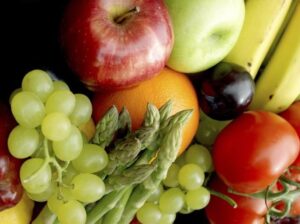
Fruits / Veggies 
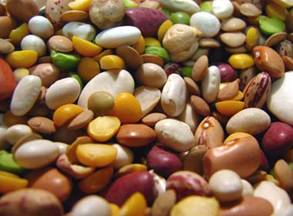
Legumes 
Fats / Oils 
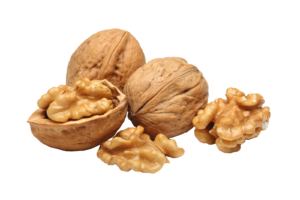
Nuts / Seeds 
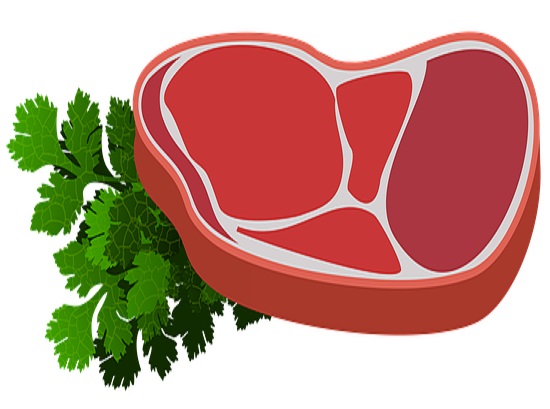
Meat 
Grains 
Fish 
Beverages 
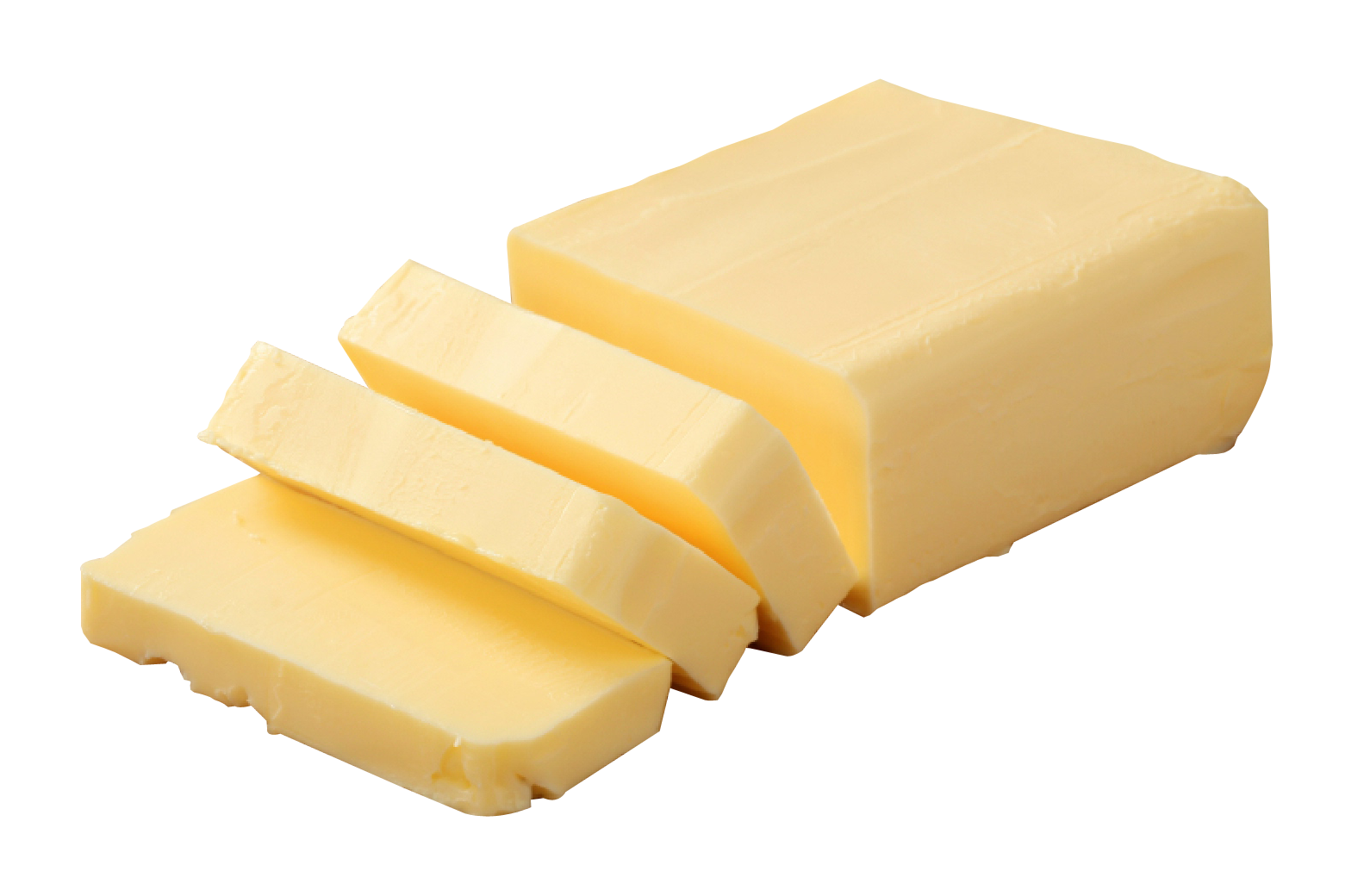
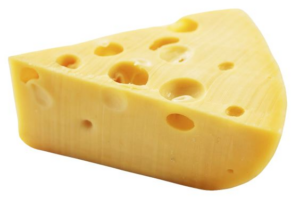
Dairy 
Sweeteners 
Eggs 
Herbs, spices, salt
-
-
- Nutrients
-
-
Nutrients we need:

Glucose Provided by carbohydrates; needed to produce cellular energy 
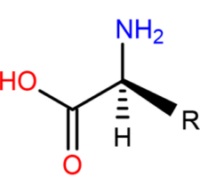
Amino acids Protein building blocks 
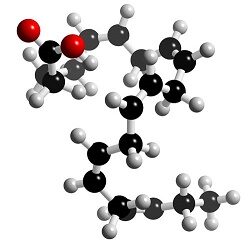
Fatty Acids Fat building blocks 
Fiber Stool softener and intestinal sweeping brush 
Antioxidants
/ VitaminsNeutralize oxidants. Vitamins (A, B, C, D, E ), phytonutrients(carotenoids, polyphenols), others (CoQ10) 
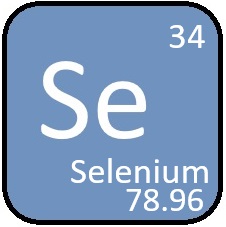
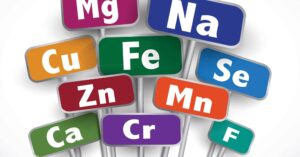
Minerals ~ 25 of the 92 naturally occurring major and trace mineral elements are essential for life. Magnesium, sulfur, selenium, zinc, manganese may not be sufficiently present in diet and may need to be supplemented. 
Enzymes Make things happen! Composed of amino acid chains, enzymes act as catalysts to speed up biochemical reactions in our body. 
Probiotics – “For Life!”
More than 2/3 of your immune system is in your gut, dependent on a healthy presence of microflora. 
Food electrons Needed for cellular energy production Harmful Foods / Practices

Genetically modified foods
/ GMOsGM plant or animal foods having adverse health-effects. DNA molecules from bacteria, viruses, insects, plants, animals, humans are combined to form new genes to transfer to plants for herbal tolerance of weed-killer and / or insect-resistance, or animals / fish for selective breeding of desirable traits 
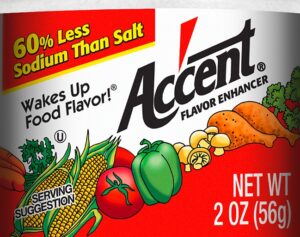
Monosodium glutamate (MSG) 
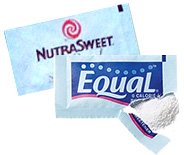
Aspartame This sugar-free sweetener is a neurotoxin 
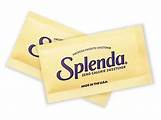
Sucralose 0 calorie sweetener is a harmful organochlorine 
Chlorination Disease-causing disinfectant in your water 
Fluoridation Mega health fraud 
Microwaved food - Not so convenient for your health Harmful when eaten to excess

High Fructose
Corn Syrup (HFCS)
Too much fructose 
Too much sugar 
Too much caffeine 

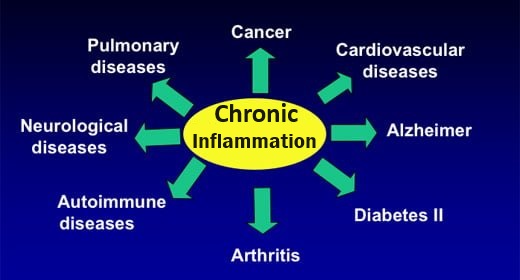
Antinutrients Particularly lectins (e.g. prolamins, agglutinins) and phytate in IMPROPERLY prepared WHOLE grains, seeds, nuts and legumes. Lectins can cause a “leaky gut” inflammation leading to IBS, allergies, asthma, arthritis, anemia, obesity, +++ ; Phytate can cause malabsorption of magnesium, calcium, iron, copper, and zinc; 
Alcohol Moderation is the key Good general food choices

Daily 'No-brainer'
💡
"Make-it-Happen" smoothie:This daily drink with supporting supplements contains nutrients typically missing from our diet to restore / maintain physical and mental health. It includes the Rath-Pauling therapy at maintenance level providing important antioxidant vitamin C and amino acids for building collagen, also Omega-3 fats, magnesium, iodine, and vitamin D 
RECOMMENDED DAILY SUPPLEMENTS CHART 
Grown in your native environment i.e. locally grown and in season 
Organic – What does that mean? Natural, unprocessed and organic (chemical/GMO-free). 
Glycemic Index (GI) vs. Glycemic Load (GL) A food's glycemic index indicates how much it raises blood sugar, but its glycemic load (GL) gives a gives a truer comparison between foods, since it accounts for typical serving size. 
What foods does the bible
say are good to eat or not?
Cooking to preserve nutrients Aim for at least 1/3 raw. Raw food contains enzymes, which are destroyed by heat. Some nutrients are made more bioavailable by heating, some are destroyed. 
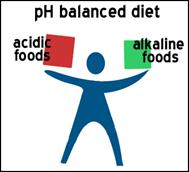
ACID / ALKALINE BALANCE

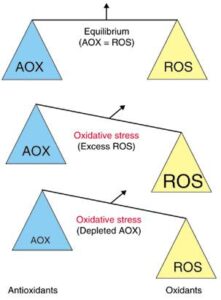
ANTIOXIDANT / OXIDANT BALANCE
-
-
- Harmful foods / practices
-
-
Harmful Foods / Practices

Genetically modified foods / GMOs GM plant or animal foods having adverse health-effects. DNA molecules from bacteria, viruses, insects, plants, animals, humans are combined to form new genes to transfer to plants for herbal tolerance of weed-killer and / or insect-resistance, or animals / fish for selective breeding of desirable traits 
Monosodium glutamate (MSG) 
Aspartame This sugar-free sweetener is a neurotoxin 
Sucralose 0 calorie sweetener is a harmful organochlorine 
Chlorination Disease-causing disinfectant in your water 
Fluoridation Mega health fraud 
Microwaved food - Not so convenient for your health Harmful when eaten to excess

High Fructose
Corn Syrup (HFCS)
Too much fructose 
Too much sugar 
Too much caffeine 

Antinutrients Particularly lectins (e.g. prolamins, agglutinins) and phytate in IMPROPERLY prepared WHOLE grains, seeds, nuts and legumes. Lectins can cause a “leaky gut” inflammation leading to IBS, allergies, asthma, arthritis, anemia, obesity, +++ ; Phytate can cause malabsorption of magnesium, calcium, iron, copper, and zinc; 
Alcohol Moderation is the key
-
-
- Good choices
-
-
Good nutritional choices

Daily 'No-brainer' 💡
"Make-it-Happen" smoothie:This daily drink with supporting supplements contains nutrients typically missing from our diet to restore / maintain physical and mental health. It includes the Rath-Pauling therapy at maintenance level providing important antioxidant vitamin C and amino acids for building collagen, also Omega-3 fats, magnesium, iodine, and vitamin D 
RECOMMENDED DAILY SUPPLEMENTS CHART 
Grown in your native environment i.e. locally grown and in season 
Organic – What does that mean? Natural, unprocessed and organic (chemical/GMO-free). 
Glycemic Index (GI) vs. Glycemic Load (GL) A food's glycemic index indicates how much it raises blood sugar, but its glycemic load (GL) gives a gives a truer comparison between foods, since it accounts for typical serving size. 
What foods does the bible
say are good to eat or not?
Cooking to preserve nutrients Aim for at least 1/3 raw. Raw food contains enzymes, which are destroyed by heat. Some nutrients are made more bioavailable by heating, some are destroyed. 
ACID / ALKALINE BALANCE

ANTIOXIDANT / OXIDANT BALANCE
-
-
Minerals - ~25 Earth elements needed for our health
Minerals are one of the nutritional food groups required for life and health
The others are protein, carbohydrate, fats, vitamins and water
- Minerals are elements that originate in the Earth and cannot be made by living organisms. From a nutritional perspective, minerals are defined as the elements other than carbon, hydrogen, oxygen, and nitrogen. ~25 of Earth’s elements are known to be essential to life and present in living cells.
- Plants obtain minerals from inorganic salts in the soil (or they can also be absorbed through their leaves). With the aid of microbes, plants convert the inorganic minerals in the soil into an organic form; most of our dietary minerals come directly from plants or indirectly from animal sources. Soil mineral content varies geographically and by agricultural practices.
- Minerals may be present in drinking water. Tap water varies with geographic locale and bottled water by specific brand.
Major minerals (macrominerals)
Considered major because they are required by the body in doses of 100 mg/day or greater. i.e. greater than 0.01% of body weight.
Minerals are components of our body structure and help body systems work. Calcium and phosphorous are the predominant minerals in the body (mainly in bones);
Seven major minerals are required by the body:
- Phosphorus – obtain from meats and eggs
- Calcium – obtain from dairy products, green leafy vegetables, soup bones, sesame seeds
- Magnesium – “The Missing Mineral” – obtain from whole grains, nuts, legumes, green leafy vegetables
- Chlorine. Obtain from Himalayan or Celtic Sea salt
- Sodium – obtain from Himalayan or Celtic Sea salt
- Potassium – obtain from many foods, e.g. white potato, black and white beans, sweet potato, watermelon, tomato sauce, spinach, beets, plain (not Greek) yogurt, eggs, meats, vegetables and tea.
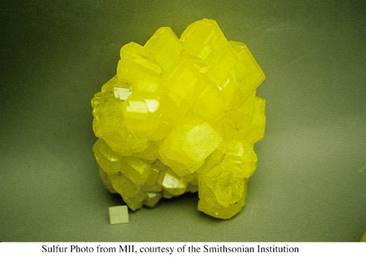
- Sulfur – “The Healing Mineral” – obtain from eggs, meats, garlic and many other foods; MSM is its organic, bioactive form.
Trace minerals (a.k.a. trace elements)
Required by the body in amounts of less than 20 mg/day – i.e. Less than 0.01% of body weight
Unrefined sea salt and Himalayan salt are the best sources of the trace minerals
Functions of trace minerals
- Absorption/utilization of many nutrients
- Aid essential activities of enzymes and hormones
- Cellular energy production
Example trace minerals
- Iron. Major role in oxygen transport/storage; component of hemoglobin in red blood cells and muscle cells; supports immune function
- Zinc. Supports immune function aids INSULIN activity; essential in growth/development of sexual/reproductive organs; prevent oxidative damage.
- Iodine. Needed for thyroid hormone production
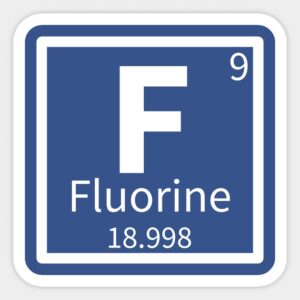
- Fluorine
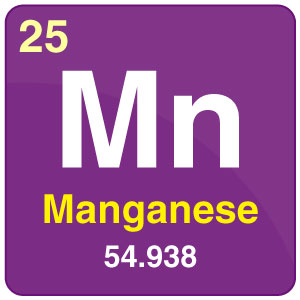
- Selenium and Manganese. Needed for body’s antioxidants produced “in-house”
- Molybdenum. Activates four essential enzymes, all involved with removing toxic build-up in the body: sulfite oxidase (converts sulfite to sulfate), aldehyde oxidase (breaks down aldehydes), xanthine oxidase (helps break down DNA blocks, called nucleotides, after they have served their purpose), and one other .
- Cobalt. Required by intestinal probiotic bacteria to make vitamin B12
- Other trace minerals essential in the body – include chromium, silicon, boron, copper and many more.
- Some trace minerals are under discussion as to their need in the body. E.g. vanadium.
- Some trace minerals are considered toxic in the body. E.g. nickel and arsenic.
Electrolytes
A mineral salt that can conduct electricity when dissolved in water. E.g. sodium, potassium, chloride.
Electrolyte Drink: Include this drink with meals to aid digestion and also drink at other times in the day
- 1/4 teaspoon of Celtic or Himalayan Sea salt
- Juice of 1/2 of a freshly squeezed lemon
- 6 oz. of filtered water
Factors affecting mineral bioavailability
Bioavailability of a mineral (how readily it can be absorbed/used by the body) is influenced by many factors. For example:
- Bio-accessibility of the mineral. The fraction of the complex released in the GI tract and so made available for absorption
- The chemical form of the mineral. Whether in salt form (as in many supplements), or chelated to amino acids or peptides (as in food or chelated supplements)
- Antinutrients present in the diet. E.g. phytic acid in whole-grain products, nuts, seeds and legumes can bind and so reduce absorption of certain minerals, such as calcium, magnesium, iron and zinc; oxalate in spinach and rhubarb binds calcium.
- Individual’s need. As determined by how much of the nutrient is already stored in the body. The body has sensitive feedback mechanisms to prevent storage of nutrients that can be damaging in excess Eg. Iron.
- An excess of one mineral over another. This can hinder absorption as certain minerals compete for the same transport systems out of the GI tract E.g. Iron reduces zinc absorption.
Supplementing minerals
First note that food forms of minerals are the best way to add minerals to your diet. Analyses of many studies pertaining to the health effects of obtaining minerals from supplements has generally demonstrated little benefit; supplements may not provide minerals in a bioavailable form and excessive intake may have harmful side-effects. Handbook of Mineral Elements in Food (pg.15)
Foods do NOT naturally contain minerals bound to substances typically found in mineral supplements. E.g. as picolinic acid, carbonates, oxides, phosphates.
Mineral supplements must be in forms that are bioavailable to the body. To determine which supplements to use requires some research into the studies available. You cannot rely on the advertising and product label.
- Chelated minerals are generally considered to be a bioavailable form of minerals -some are, some aren’t.