







- NUTRITION: Live to eat or eat to live?”
- Food Types
-
-
Food types we eat:
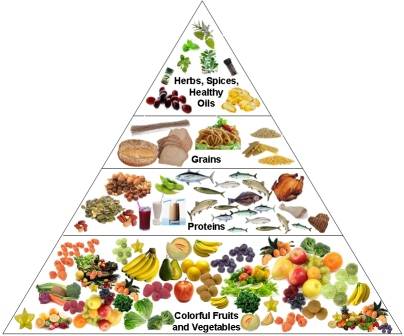
When choosing foods from each food type - the details matter
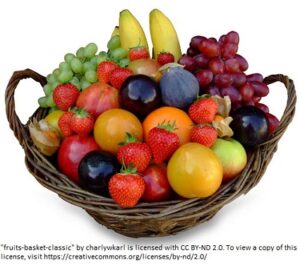
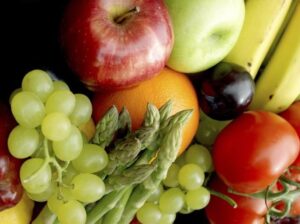
Fruits / Veggies 
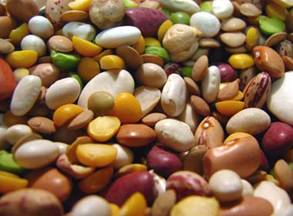
Legumes 

Fats / Oils 
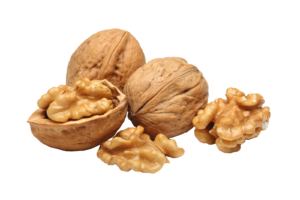
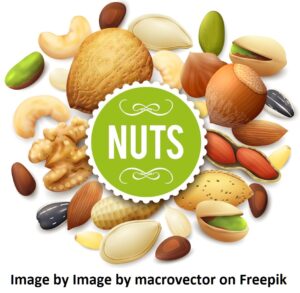
Nuts / Seeds 
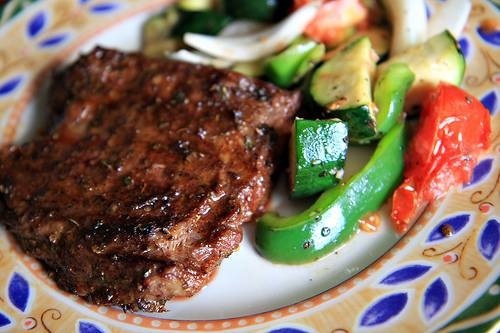
Meat 

Grains 

Fish 

Beverages 
Dairy 
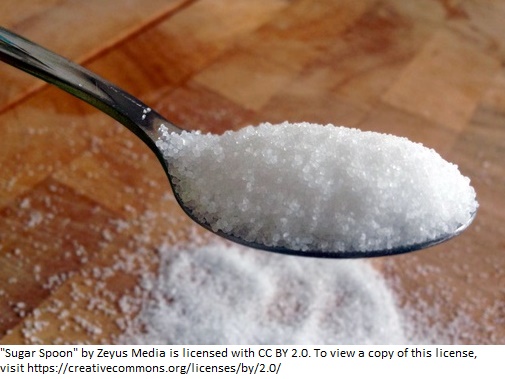
Sweeteners 

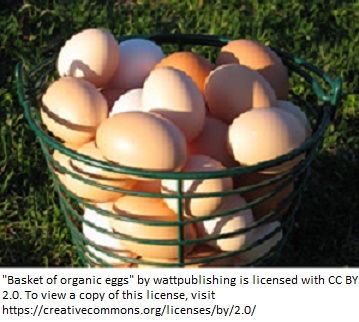
Eggs 
Herbs, spices, salt
-
-
- Nutrients
-
-
Nutrients we need:

Glucose Provided by carbohydrates; needed to produce cellular energy 
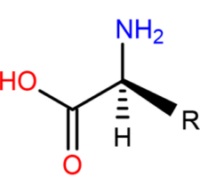
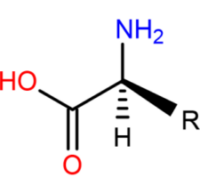
Amino acids Protein building blocks 
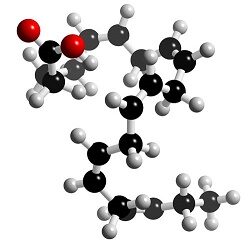
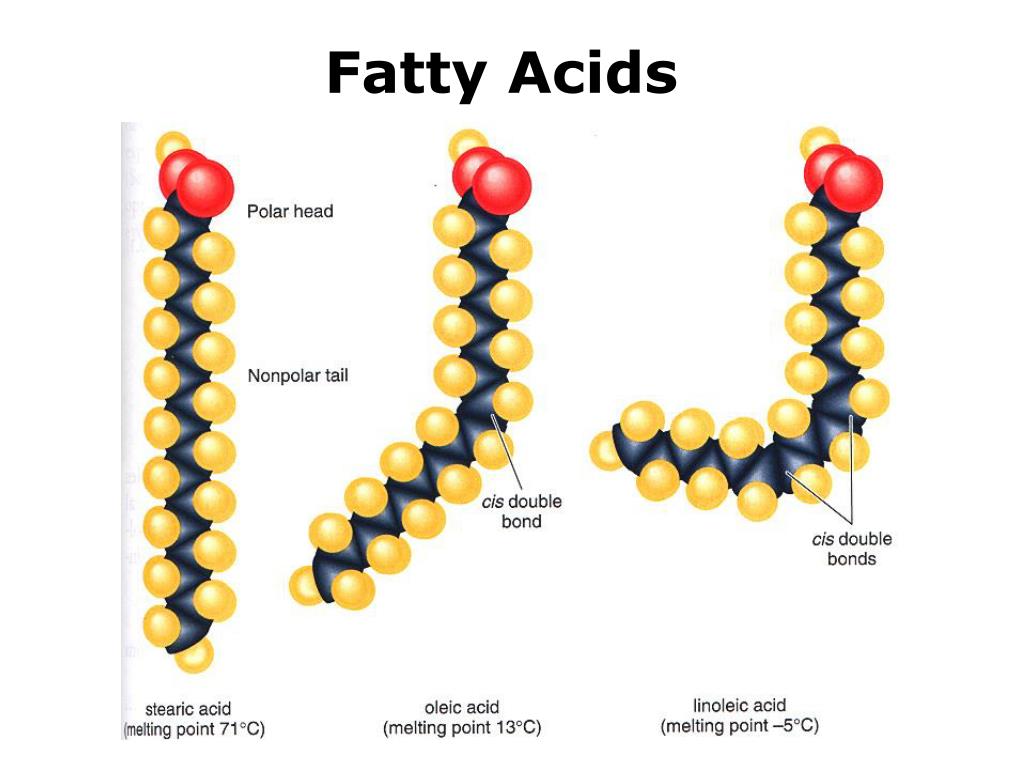
Fatty Acids Fat building blocks 
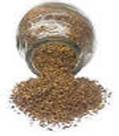
Fiber Stool softener and intestinal sweeping brush 

Antioxidants
/ VitaminsNeutralize oxidants. Vitamins (A, B, C, D, E ), phytonutrients(carotenoids, polyphenols), others (CoQ10) 
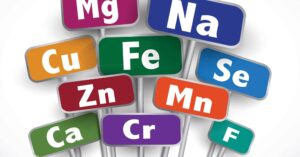
Minerals ~ 25 of the 92 naturally occurring major and trace mineral elements are essential for life. Magnesium, sulfur, selenium, zinc, manganese may not be sufficiently present in diet and may need to be supplemented. 
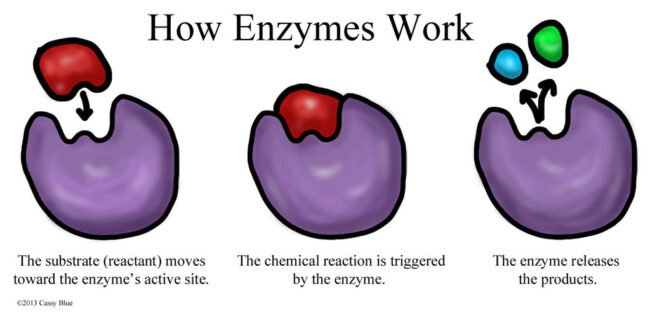
Enzymes Make things happen! Composed of amino acid chains, enzymes act as catalysts to speed up biochemical reactions in our body. 
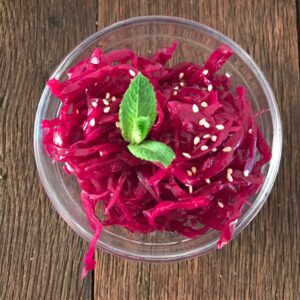
Probiotics – “For Life!”
More than 2/3 of your immune system is in your gut, dependent on a healthy presence of microflora. 

Food electrons Needed for cellular energy production Harmful Foods / Practices

Genetically modified foods
/ GMOsGM plant or animal foods having adverse health-effects. DNA molecules from bacteria, viruses, insects, plants, animals, humans are combined to form new genes to transfer to plants for herbal tolerance of weed-killer and / or insect-resistance, or animals / fish for selective breeding of desirable traits 

Monosodium glutamate (MSG) 
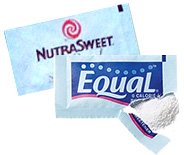
Aspartame This sugar-free sweetener is a neurotoxin 

Sucralose 0 calorie sweetener is a harmful organochlorine 
Chlorination Disease-causing disinfectant in your water 

Fluoridation Mega health fraud 

Microwaved food - Not so convenient for your health Harmful when eaten to excess

High Fructose
Corn Syrup (HFCS)
Too much fructose 

Too much sugar 

Too much caffeine 
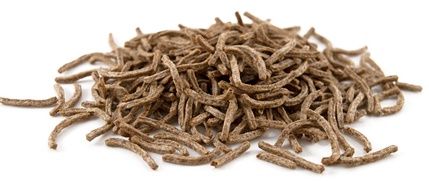
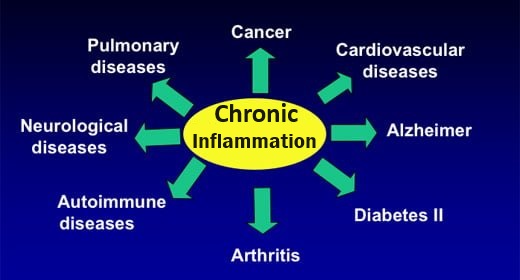
Antinutrients Particularly lectins (e.g. prolamins, agglutinins) and phytate in IMPROPERLY prepared WHOLE grains, seeds, nuts and legumes. Lectins can cause a “leaky gut” inflammation leading to IBS, allergies, asthma, arthritis, anemia, obesity, +++ ; Phytate can cause malabsorption of magnesium, calcium, iron, copper, and zinc; 

Alcohol Moderation is the key Good general food choices
Daily 'No-brainer'
💡
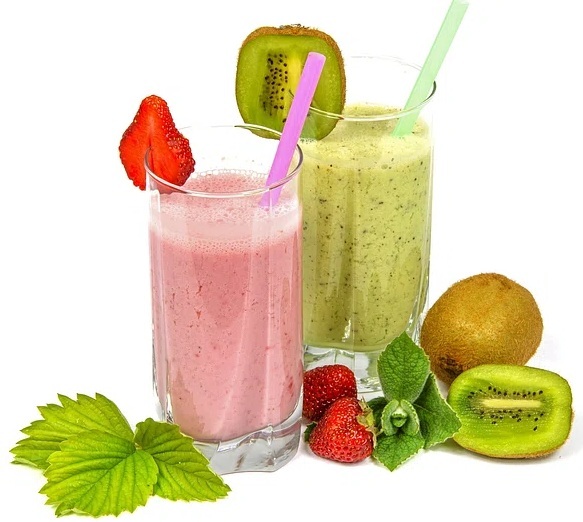
"Make-it-Happen" smoothie:This daily drink with supporting supplements contains nutrients typically missing from our diet to restore / maintain physical and mental health. It includes the Rath-Pauling therapy at maintenance level providing important antioxidant vitamin C and amino acids for building collagen, also Omega-3 fats, magnesium, iodine, and vitamin D 
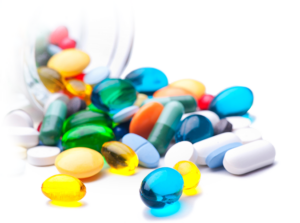
RECOMMENDED DAILY SUPPLEMENTS CHART 

Grown in your native environment i.e. locally grown and in season 
Organic – What does that mean? Natural, unprocessed and organic (chemical/GMO-free). 

Glycemic Index (GI) vs. Glycemic Load (GL) A food's glycemic index indicates how much it raises blood sugar, but its glycemic load (GL) gives a gives a truer comparison between foods, since it accounts for typical serving size. 

What foods does the bible
say are good to eat or not?
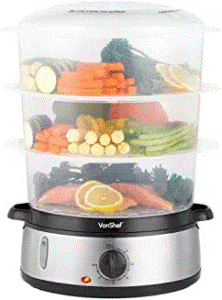
Cooking to preserve nutrients Aim for at least 1/3 raw. Raw food contains enzymes, which are destroyed by heat. Some nutrients are made more bioavailable by heating, some are destroyed. 
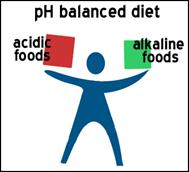
ACID / ALKALINE BALANCE
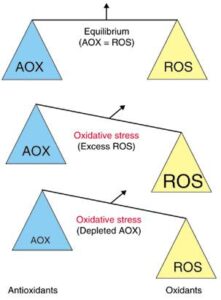
ANTIOXIDANT / OXIDANT BALANCE
-
-
- Harmful foods / practices
-
-
Harmful Foods / Practices
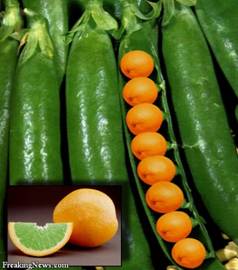
Genetically modified foods / GMOs GM plant or animal foods having adverse health-effects. DNA molecules from bacteria, viruses, insects, plants, animals, humans are combined to form new genes to transfer to plants for herbal tolerance of weed-killer and / or insect-resistance, or animals / fish for selective breeding of desirable traits 
Monosodium glutamate (MSG) 
Aspartame This sugar-free sweetener is a neurotoxin 
Sucralose 0 calorie sweetener is a harmful organochlorine 
Chlorination Disease-causing disinfectant in your water 
Fluoridation Mega health fraud 
Microwaved food - Not so convenient for your health Harmful when eaten to excess

High Fructose
Corn Syrup (HFCS)
Too much fructose 
Too much sugar 
Too much caffeine 
Antinutrients Particularly lectins (e.g. prolamins, agglutinins) and phytate in IMPROPERLY prepared WHOLE grains, seeds, nuts and legumes. Lectins can cause a “leaky gut” inflammation leading to IBS, allergies, asthma, arthritis, anemia, obesity, +++ ; Phytate can cause malabsorption of magnesium, calcium, iron, copper, and zinc; 
Alcohol Moderation is the key
-
-
- Good choices
-
-
Good nutritional choices

Daily 'No-brainer' 💡
"Make-it-Happen" smoothie:This daily drink with supporting supplements contains nutrients typically missing from our diet to restore / maintain physical and mental health. It includes the Rath-Pauling therapy at maintenance level providing important antioxidant vitamin C and amino acids for building collagen, also Omega-3 fats, magnesium, iodine, and vitamin D 
RECOMMENDED DAILY SUPPLEMENTS CHART 
Grown in your native environment i.e. locally grown and in season 
Organic – What does that mean? Natural, unprocessed and organic (chemical/GMO-free). 
Glycemic Index (GI) vs. Glycemic Load (GL) A food's glycemic index indicates how much it raises blood sugar, but its glycemic load (GL) gives a gives a truer comparison between foods, since it accounts for typical serving size. 
What foods does the bible
say are good to eat or not?
Cooking to preserve nutrients Aim for at least 1/3 raw. Raw food contains enzymes, which are destroyed by heat. Some nutrients are made more bioavailable by heating, some are destroyed. 
ACID / ALKALINE BALANCE

ANTIOXIDANT / OXIDANT BALANCE
-
-

Fruits and Vegetables - "Farmaceuticals"
Produce choices
Prefer ORGANIC Produce
Studies show that on average, organic produce has significantly higher mineral levels than inorganic. A recent $25-million E.U. study found that organic food has 40% more antioxidants, is far more nutritious than ordinary produce, and can improve your health and longevity. Inorganically grown fruits/vegetables typically receive ~10 pesticide treatments from seed to storage. If produce sits in your fridge without deteriorating for weeks -there’s a clue! Look for genuinely organic foods, harvested when ripe, preferably from local producers.
However, if you must economize, the most important foods to purchase organically would be animal products, not fruits and vegetables. Animal products tend to concentrate pesticides more, particularly in their fat (Non-organic meats have up to 5 times more pesticides than non-organic vegetables). The worst contaminated food, however, is NON-organic butter, which has up to 20 times as many pesticides as NON-organic vegetables.
Guide to 4 or 5 Digit PLU Codes on Products
Conventionally grown produce. Has 4-digit PLU code (Eg. 4011)
Genetically modified (GM) produce. Has 5-digit code beginning with 8, but distributors are not legally required to include it, and usually don’t, leaving just a 4 digit code
Organic produce. Has 5-digit code, starting with the number 9: (Eg. 94011)
The "Dirty Dozen" and "Cleanest 15"
| Environmental Working Group’s Shoppers’ Guide for Pesticides in Produce 2023 List | |
|---|---|
| EWG (a not-for-profit organization) found that consumers could reduce their pesticide exposure by nearly 90% by avoiding the most contaminated fruits and vegetables and eating the least contaminated instead. If eating produce from the “Dirty Dozen”, it makes sense to choose organic | |
| The “Dirty Dozen” (starting with the worst) | The “Cleanest 15” (starting with the best) |
| 1. Strawberries | 1. Avocados |
| 2. Spinach | 2. Sweet corn |
| 3. Kale, collard & mustard greens | 3. Pineapple |
| 4. Peaches | 4. Onions |
| 5. Pears | 5. Papaya |
| 6. Nectarines | 6. Sweet peas (frozen) |
| 7. Apples | 7. Asparagus |
| 8. Grapes | 8. Honeydew melon |
| 9. Bell & hot peppers | 9. Kiwi |
| 10. Cherries | 10. Cabbage |
| 11. Blueberries | 11. Mushrooms |
| 12. Green beans | 12. Mangoes |
| 13. Sweet potatoes | |
| 14. Watermelon | |
| 15. Carrots | |
How to remove pesticides from fruits and vegetables
Thorough scrubbing and washing reduces pesticides by anywhere from 1/3 to 1/2. Alternatively, some choices to remove pesticides before consumption:
- Spray with 3% Hydrogen peroxide (H2O2) solution then rinse
- Soak produce in a baking soda solution for 12 minutes. 1 tsp. baking soda to 1.5 L water (or~a slightly heaped tsp. in 1/2 gal.); a Mass. univ. study showed it reduces pesticides and toxic chemicals to normal levels;
Extend produce life by storing them in bags with as much as possible of the air squeezed out before sealing it. After harvesting, fruits and vegetables release ethylene gas, which accelerates ripening, aging and rotting. Removing air decelerates this process.
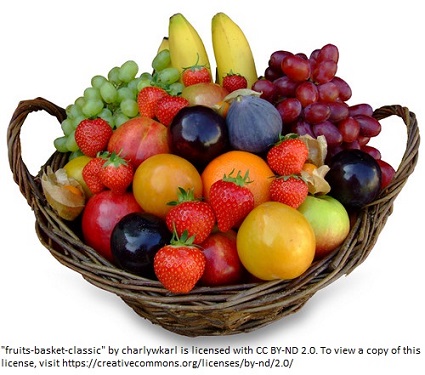
Fruit
How much fruit to eat in a day?
Eat 2 pieces / servings FRESH fruit / day (for antioxidants, such as vitamin C and polyphenols, and fiber) + Eat 1/2 a banana (for potassium + other minerals)
Limit total fructose intake to <25g / day. <15g if tackling a serious health problem;
Consider net carb content. Too much fruit, especially high sugar fruits can soon add excessive carbohydrate grams. Net carbs is calculated as total carbs less fiber carbs.
| Highest antioxidant fruits (by serving size) | |||
|---|---|---|---|
| Acai berries | Pomegranate | Wild Blueberries | Cultivated Blueberries |
| Cranberries | Blackberries | Raspberries | Strawberries |
| Red Delicious / Granny Smith Apples | Sweet Cherries | Black Plums | Plums |
Other fruity considerations
Seeds – chew them
Skins – wash thoroughly; contain highest amount of antioxidants
High vitamin C Fruits – Guava, Orange, Red / purple Grapes, Kiwi, Grapefruit
Acid or alkaline effect – Generally, too much of the Western diet (e.g. sugar, meat, eggs, cheese, milk) metabolizes to acidic end-products. Most (not all) fruit and vegetables help provide the alkalizing balance in body fluids and tissues.
- All raw fruit (except cranberries, plums and blueberries) have an alkaline effect on the body. Watermelon, lemons, kiwi, and oranges have a strong alkalizing effect on the body when their minerals are metabolized.
Lemon Juice is a health-promoting alkalizing drink
- Cooked fruit (includes processed fruit juices) has an acid affect on the body
Commercial orange juice
Orange juice, even fresh-squeezed, contains a lot of fructose (25g in 8oz glass, ~8 tsp. sugar. Almost as much as a can of soda). Over-consumption of fructose (>25g/day) spikes blood sugar, a known factor in INSULIN-resistance / diabetes / obesity, high blood pressure and heart disease. Oranges are best eaten whole.
Commercial OJ resembles nothing found in nature. Even though the label states “Freshly-squeezed” and “Not-from-concentrate”, after the oranges are squeezed, the oxygen is removed from the juice as it is stored in up to million gallon holding tanks, allowing it to keep for up to a year without spoiling. However, this process also makes the juice completely flavorless, so the industry hire flavor and fragrance companies to engineer flavor packs to re-flavor the juice. This is also the case for other fruit juices.
The Secret ingredient in your orange juice – Food Renegade July 28, 2018
Any fruit juice stored in cans or containers contain unbound methanol which increases risk of M.S.. The neurotoxin methanol in stored juice dissociates from pectin and converts to tissue-damaging formaldehyde in the brain. Fresh fruits and vegetables contain lots of methanol but it is bound to pectin and can do no harm, since your body lacks the enzymes to break it down. Interestingly, moderate alcohol (i.e. ethanol) consumption neutralizes methanol, possibly explaining the heart health benefits of having one alcoholic drink each day. BTW, also avoid aspartame, since it also rapidly metabolizes to methanol.
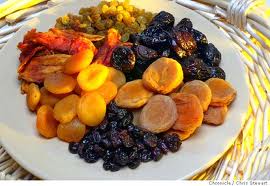
Dried fruit
- Choose organic, unsweetened, unsulfured
- Dried fruits have a very high sugar / fructose content (advisable to eat in moderation)
| • Apricots | • Dates | • Prunes | • Coconut |
| • Raisins | • Cranraisins | • Figs |
Vegetables
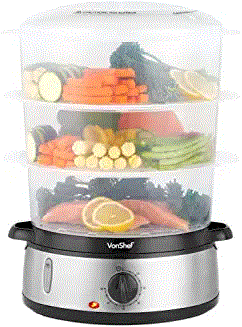
Aim for 4 different vegetable servings / day. Best RAW, JUICED, STEAMED or in SOUP
- Especially include dark green vegetables
- Soups / stews retain some vitamins
- Minimally steamed vegetables retain vitamins
- Add butter to vegetables and cream to soups – to be able to utilize their minerals;
- Add chicken, beef or lamb bones to soup to make a nutritious stock (traditionally slow-cooked bones release calcium and other easily absorbed minerals, gelatin, and collagen)
| So many wonderful vegetables to choose from . . . | ||||
|---|---|---|---|---|
| Carrots | Parsnips | Spinach | Broccoli | Brussel Sprouts |
| Cabbage | Squash | Sweet Peppers | Sweet potato | Avocado |
| Tomatoes | Cucumber | Cauliflower | Potato | Turnip |
| Peas | Green Beans | Beets | Corn | Eggplant |
| Garlic | Onions | Leeks | Radish | Asparagus |
| Celery | Green / Red Leaf Lettuce | Romaine Lettuce | Artichokes | Butter lettuce |
Of special mention:
Avocado. Rich in nutrients; 1/2 an average Haas avocado has more potassium than a banana.
Beets. Loaded with vitamin B; stimulate bile flow – contain betaine, a rich source of hydrochloric acid, which is not only needed for digestion, but also triggers the release of bile from the gallbladder.
Tomatoes. Skins and seeds have high lectin content and should be removed before consumption;