- NUTRITION: Live to eat or eat to live?”
- Food Types
-
-
Food types we eat:
When choosing foods from each food type - the details matter
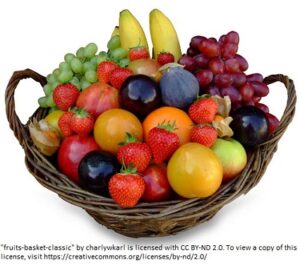
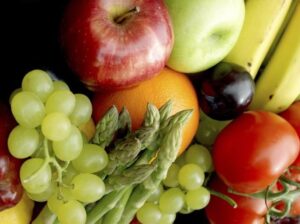
Fruits / Veggies 
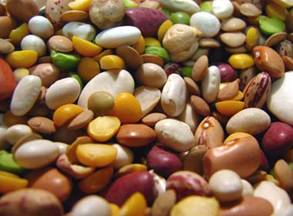
Legumes 
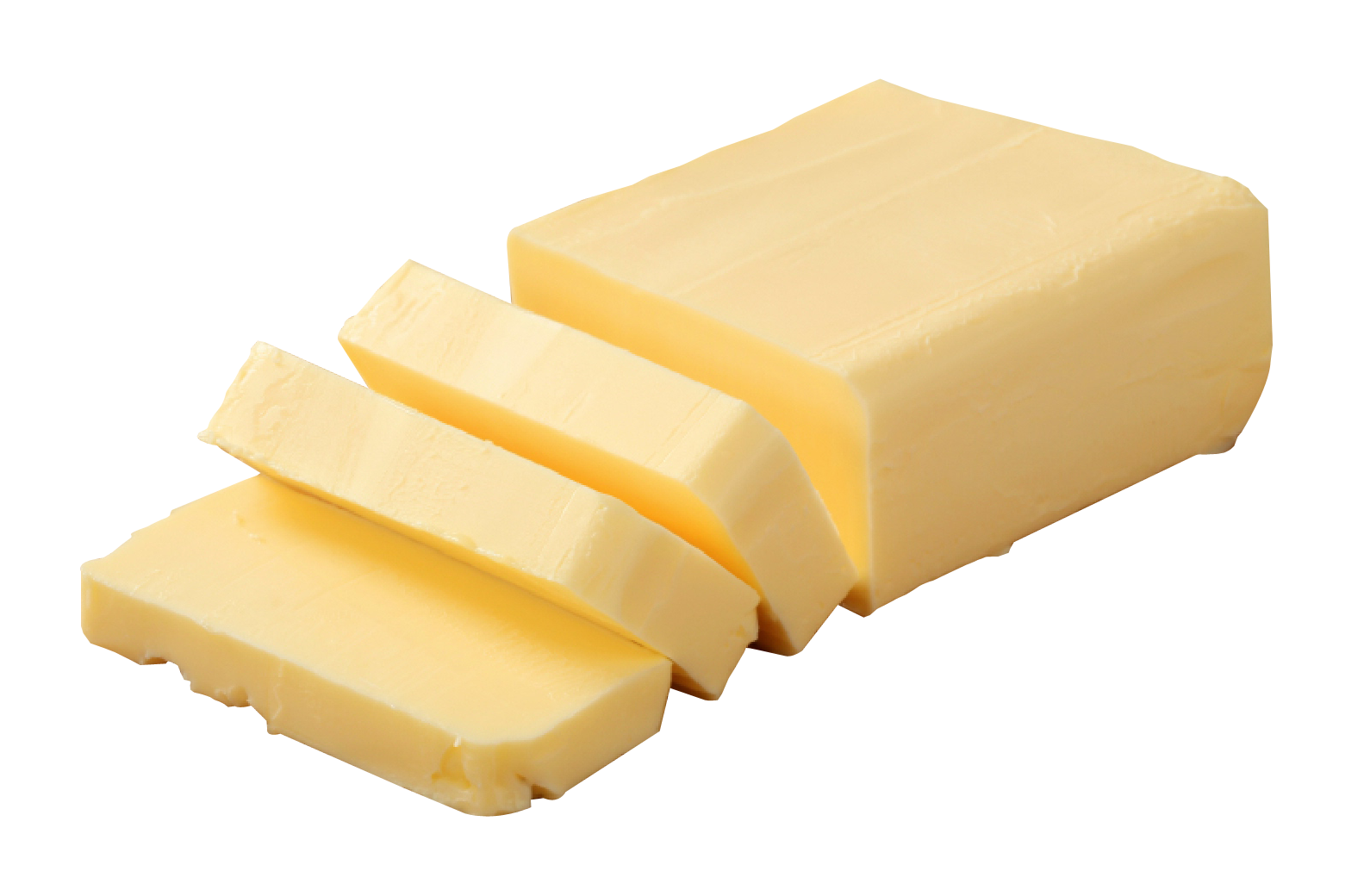
Fats / Oils 
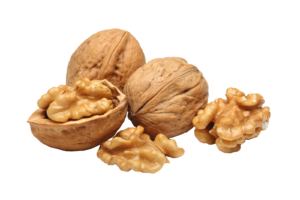
Nuts / Seeds 
Meat 
Grains 
Fish 
Beverages 
Dairy 
Sweeteners 
Eggs 
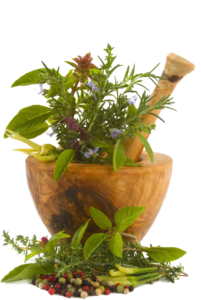
Herbs, spices, salt
-
-
- Nutrients
-
-
Nutrients we need:

Glucose Provided by carbohydrates; needed to produce cellular energy 
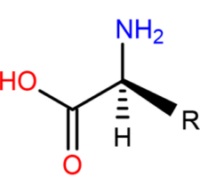
Amino acids Protein building blocks 
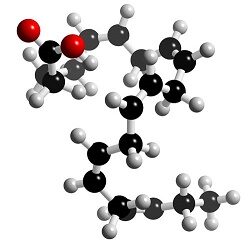
Fatty Acids Fat building blocks 
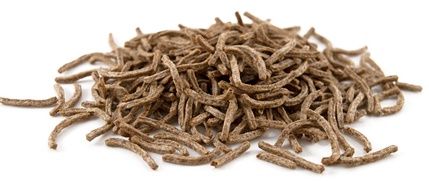
Fiber Stool softener and intestinal sweeping brush 
Antioxidants
/ VitaminsNeutralize oxidants. Vitamins (A, B, C, D, E ), phytonutrients(carotenoids, polyphenols), others (CoQ10) 
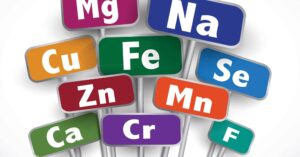
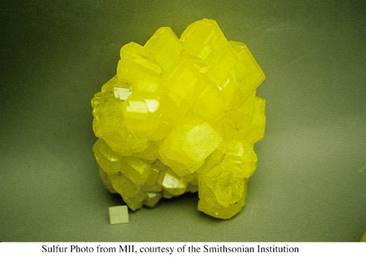
Minerals ~ 25 of the 92 naturally occurring major and trace mineral elements are essential for life. Magnesium, sulfur, selenium, zinc, manganese may not be sufficiently present in diet and may need to be supplemented. 
Enzymes Make things happen! Composed of amino acid chains, enzymes act as catalysts to speed up biochemical reactions in our body. 
Probiotics – “For Life!”
More than 2/3 of your immune system is in your gut, dependent on a healthy presence of microflora. 
Food electrons Needed for cellular energy production Harmful Foods / Practices

Genetically modified foods
/ GMOsGM plant or animal foods having adverse health-effects. DNA molecules from bacteria, viruses, insects, plants, animals, humans are combined to form new genes to transfer to plants for herbal tolerance of weed-killer and / or insect-resistance, or animals / fish for selective breeding of desirable traits 
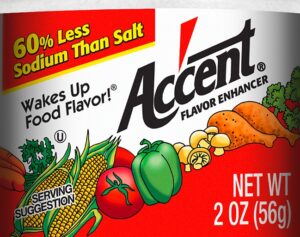
Monosodium glutamate (MSG) 
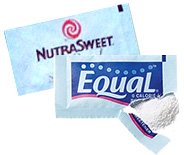
Aspartame This sugar-free sweetener is a neurotoxin 
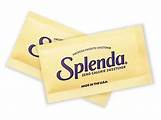
Sucralose 0 calorie sweetener is a harmful organochlorine 
Chlorination Disease-causing disinfectant in your water 
Fluoridation Mega health fraud 
Microwaved food - Not so convenient for your health Harmful when eaten to excess

High Fructose
Corn Syrup (HFCS)
Too much fructose 
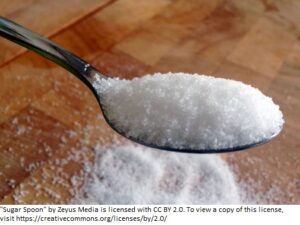
Too much sugar 
Too much caffeine 

Antinutrients Particularly lectins (e.g. prolamins, agglutinins) and phytate in IMPROPERLY prepared WHOLE grains, seeds, nuts and legumes. Lectins can cause a “leaky gut” inflammation leading to IBS, allergies, asthma, arthritis, anemia, obesity, +++ ; Phytate can cause malabsorption of magnesium, calcium, iron, copper, and zinc; 
Alcohol Moderation is the key Good general food choices

Daily 'No-brainer'
💡
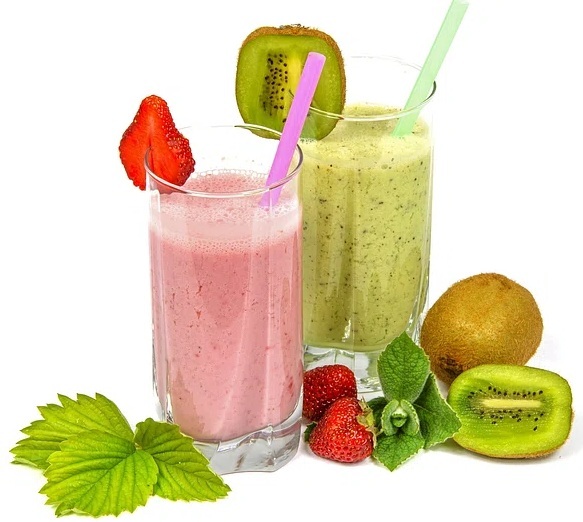
"Make-it-Happen" smoothie:This daily drink with supporting supplements contains nutrients typically missing from our diet to restore / maintain physical and mental health. It includes the Rath-Pauling therapy at maintenance level providing important antioxidant vitamin C and amino acids for building collagen, also Omega-3 fats, magnesium, iodine, and vitamin D 
RECOMMENDED DAILY SUPPLEMENTS CHART 
Grown in your native environment i.e. locally grown and in season 
Organic – What does that mean? Natural, unprocessed and organic (chemical/GMO-free). 
Glycemic Index (GI) vs. Glycemic Load (GL) A food's glycemic index indicates how much it raises blood sugar, but its glycemic load (GL) gives a gives a truer comparison between foods, since it accounts for typical serving size. 
What foods does the bible
say are good to eat or not?
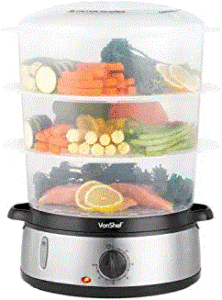
Cooking to preserve nutrients Aim for at least 1/3 raw. Raw food contains enzymes, which are destroyed by heat. Some nutrients are made more bioavailable by heating, some are destroyed. 
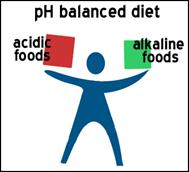
ACID / ALKALINE BALANCE

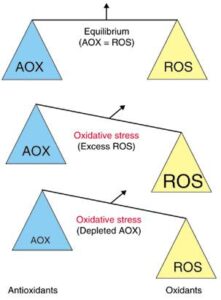
ANTIOXIDANT / OXIDANT BALANCE
-
-
- Harmful foods / practices
-
-
Harmful Foods / Practices

Genetically modified foods / GMOs GM plant or animal foods having adverse health-effects. DNA molecules from bacteria, viruses, insects, plants, animals, humans are combined to form new genes to transfer to plants for herbal tolerance of weed-killer and / or insect-resistance, or animals / fish for selective breeding of desirable traits 
Monosodium glutamate (MSG) 
Aspartame This sugar-free sweetener is a neurotoxin 
Sucralose 0 calorie sweetener is a harmful organochlorine 
Chlorination Disease-causing disinfectant in your water 
Fluoridation Mega health fraud 
Microwaved food - Not so convenient for your health Harmful when eaten to excess

High Fructose
Corn Syrup (HFCS)
Too much fructose 
Too much sugar 
Too much caffeine 

Antinutrients Particularly lectins (e.g. prolamins, agglutinins) and phytate in IMPROPERLY prepared WHOLE grains, seeds, nuts and legumes. Lectins can cause a “leaky gut” inflammation leading to IBS, allergies, asthma, arthritis, anemia, obesity, +++ ; Phytate can cause malabsorption of magnesium, calcium, iron, copper, and zinc; 
Alcohol Moderation is the key
-
-
- Good choices
-
-
Good nutritional choices

Daily 'No-brainer' 💡
"Make-it-Happen" smoothie:This daily drink with supporting supplements contains nutrients typically missing from our diet to restore / maintain physical and mental health. It includes the Rath-Pauling therapy at maintenance level providing important antioxidant vitamin C and amino acids for building collagen, also Omega-3 fats, magnesium, iodine, and vitamin D 
RECOMMENDED DAILY SUPPLEMENTS CHART 
Grown in your native environment i.e. locally grown and in season 
Organic – What does that mean? Natural, unprocessed and organic (chemical/GMO-free). 
Glycemic Index (GI) vs. Glycemic Load (GL) A food's glycemic index indicates how much it raises blood sugar, but its glycemic load (GL) gives a gives a truer comparison between foods, since it accounts for typical serving size. 
What foods does the bible
say are good to eat or not?
Cooking to preserve nutrients Aim for at least 1/3 raw. Raw food contains enzymes, which are destroyed by heat. Some nutrients are made more bioavailable by heating, some are destroyed. 
ACID / ALKALINE BALANCE

ANTIOXIDANT / OXIDANT BALANCE
-
-
Zinc - The man's mineral
What does zinc do for us ? (including women 😀 )
- Accelerates the activity of approximately 100 different body enzymes
- Promotes immune function
- Supports healthy cell growth and development
- Ensures proper sense of taste and smell
- Prostate health
- Anti-inflammatory agent
- Thyroid health
Zinc-containing foods
The body cannot store zinc. However, it is easily obtained from diet:
Meat and poultry are good sources – also oysters, crab, lobster, beans, nuts, whole grains, fortified breakfast cereals, and dairy products. Oysters contain more zinc than any other food – however, this author does not advocate eating shellfish, which do a great job of cleaning up the planet and can be toxic.
ZINC-RICH Foods | ||
| Food | Serving size | Zinc (mg) |
| Roasted pumpkin seeds | ¼ cup | 4.2 |
| Toasted sesame seeds | ¼ cup | 3.3 |
| Brazil nuts | ½ cup | 2.7 |
| Soybeans (only eat organic beans) | ½ cup | 4.5 |
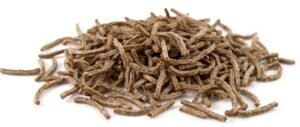
| Wheatgerm cereal (toasted, ready to eat) | ½ cup | 9.4 |
| Yogurt (low fat, plain) | 8 oz | 2.2 |
| Baked beans | ½ cup | 6.9 |
| Sirloin, broiled | 3 oz | 5.5 |
Conditions /persons with special zinc needs
Vegetarians. Legumes and whole grains contain phytates that bind zinc and inhibit its absorption in the body. They may require 50% more zinc than non-vegetarians.
Pregnant/Nursing women. High fetal requirements and breast feeding can deplete their body’s zinc.
Older men. Need a zinc sufficiency to protect against formation of abnormal prostate cells and impotence:
- The human prostate has the highest accumulation of zinc of any soft tissue in the body
- Cancerous prostates seem to have less zinc than normal prostates
- Severe zinc deficiency can lead to impotence by affecting Testosterone
Those with thyroid dysfunction. Zinc is required for conversion of inactive thyroid hormone (T4 ) to its active T3 form. Zn is also needed for optimal immune system function, without which can cause autoimmune problems as in Hashimoto’s disease (#1 cause of hypothyroidism and low thyroid problem in U.S.)
Those with allergies. Hard on the immune system
“Teeth-grinders”. Zinc (also niacin) deficiency can cause involuntary grinding of teeth, especially when sleeping or stressed; To relieve pressure on the jaw, move your lower jaw all the way left and then all the way right. You may hear your jaw joint crack.
White spots on fingernails. A symptom of zinc deficiency Wilson’s Disease. A problem of copper build-up in the liver.
Digestive disorders / gastrointestinal surgery. E.g. ulcerative colitis, Crohn’s disease, partial removal of intestines, weight-loss surgery decrease amount of zinc absorbed, increasing loss in urine.
Older infants who are breastfed. Breast milk does not have enough zinc for infants over 6 months of age. Non-formula-fed older infants should be given foods that have zinc such as pureed meats.
Alcoholics. Alcoholic beverages decrease the amount of zinc that the body absorbs and increase the amount lost in the urine. Also, many alcoholics have a poor diet.
Sickle cell disease. Creates a need for more zinc.
Supplementing zinc
Supplemental forms: include zinc gluconate, zinc sulfate, and zinc acetate. Normal daily recommended intakes (not RDA) for zinc are as follows:
| Persons | Zinc (mg) |
| Infants and children birth to 3 years of age | 5-10 |
| Children 4 to 6 years of age | 10 |
| Children 7 to 10 years of age | 10 |
| Adolescent /Adult males | 15 |
| Adolescent /Adult females | 12 |
| Pregnant females | 15 |
| Breast-feeding females | 16-19 |
Upper limit is 40 mg/day. Excessive zinc intake can lead to nausea, vomiting, loss of appetite, abdominal cramps, diarrhea, and headaches. Taking large quantities of zinc (50 mg/day or more) over a period of weeks can affect copper bioavailability.