




Health Happening

Attend to diet, lifestyle & emotional state:

Nutrition  

Exercise

 Water

Sun

Thoughts  

     Air

Rest

Trust

Sex

Leaf logo

Health Happening    

‘No-brainers’ 💡 for Physical / Mental Health: Magnesium, Omega-3 , C, D, Iodine in “Make-it-Happen” smoothie

Cancer Overview:

Why does a cell turn cancerous?

CANCER: A Wake-up call

“Everyone should know that most cancer research is largely a fraud and that the major cancer research organizations are derelict in their duties to the people who support them.”

– Linus Pauling Ph.D. (Two-time Nobel Prize winner)

What is causing cancer

Current evidence

Supports the nuanced position that cancer is caused by the interaction of the following factors  (rather than from any single cause, such as genetic defects):

  • Genetic
  • Epigenetic (DNA stays the same, but cells can turn genes on or off)
  • Metabolic
  • Immune
  • Environmental (such as carcinogens / mutagens or lifestyle and hereditary factors) 

The 70s / 80s genetic defect theory alone doesn’t hold up

The classic 70s / 80s genetic defect theory purports that cancer starts when: (1) The proto-oncogene (gene that normally manages cell growth) mutates via multiple genetic changes into a defective oncogene with the potential to cause uncontrolled cell growth combined with (2) The loss of tumor suppressor genes – resulting in unrestrained growth. 

Genes 101

However, there are far too many cancer observations that cannot be answered by this theory alone including cancer growth itself:

  • Up to 96% of cancer cells have membrane traits that differ from normal cells E.g. altered surface proteins, changes in membrane lipids, lower membrane potentials, increased transporters for glucose and amino acids
  • Bone cancer does not result in unrestrained bone growth
  • There is no cancer of the heart, arteries or veins
  • Injuries that do not heal cause cancer.
  • Why aren’t people born with cancer?  E.g. such as the genetic Down’s syndrome;
  • Why can identical twins get different diseases?
  • Cancer occurs most frequently within liquid storage vessels.  E.g.  the stomach, colon, bladder, breast, prostate

A more balanced view

Oncogenes increase the probability of cancer by altering cellular behavior, but whether cancer develops depends on many additional factors, including: tumor suppressor genes, immune system intervention, metabolism, which genes are expressed (e.g. suppressor genes), aging, inflammation, and the surrounding tissue environment.

Cancer is best understood as a disease that emerges from the interaction of genetic changes, cellular metabolism, and the surrounding tissue environment, rather than from any single oncogene acting in isolation.

The likely causes of cancer

The main question to ask

 “What mechanisms may be putting a cell’s aerobic ATP energy production “out of order”?

A strongly evidenced theory is that cancer is caused by microbial invasion of cells as a result of weakened cell walls damaged by carcinogens in the body

A microbe is able to get inside a healthy cell causing its aerobic mitochondrial energy production to be put “out of order” i.e. the cell is now a cancer cell. Eminent researchers cite various forms of microbes as the final step in the process of a cell becoming cancerous Researcher Ron Gdanski has shown that it is a microbe inside cancer cells that causes DNA damage Microbes inside cells “Gobble up” glucose Internal tissue damage can allow microbes an in-road. More than 90% of all cancers start in tissue. Conditions or substances that can cause tissue damage include an overly acidic diet, leaky gut syndromeand toxins Some examples of microbial infections involved in cancer. Smoking (causes fungal infections), some parasites, physical injuries that do not heal Cancer industry knows that fungi is involved in cancer. Since about 1927, the mechanism of toxic drugs (E.g. chemotherapy) to cure cancer has been to block ergosterol or otherwise kill fungi. Ergosterol (named from the common grain and corn fungi, Ergot) is a necessary component of fungal cell membranes.

Lifestyle / environmental / conditional factors

Research at the American Institute of Cancer Research estimated that about 40% of U.S. all cancer cases and about half of the cancer deaths could be prevented by making better lifestyle choices. Modifiable risk factors include cigarette smoking (leading contributor to cancer deaths 32.2% in men, 24.4% in women), body weight, infection, alcohol consumption, physical inactivity, diet, and uv radiation. Proportion and number of cancer cases and deaths attributable to potentially modifiable risk factors in the United States, 2019, published 2024 in American Cancer Society journal

Paleoanthropological research shows that cancer was virtually nonexistent in humans before poor diet and pollution appeared. Cancer: an old disease, a new disease or something in between?

Factors involved include:

  • Nutritional deficiencies. Magnesium deficiency affects the cell “battery” charge and energy production by causing imbalance with calcium and decreasing potential voltage difference across cell membrane;
  • Hormonal imbalances
  • Toxins / Pollution / Toxic byproducts
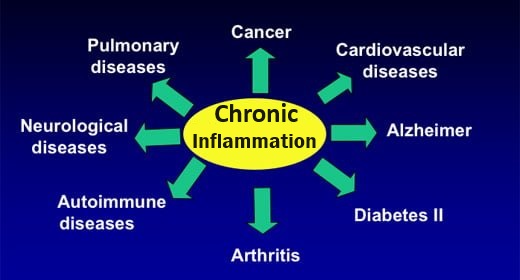
  • Chronic infections / inflammation
  • Chronic stress / emotional conflict
  • Free radical damage
  • Lack of enzymes involved in aerobic energy production.  “Dead” processed and cooked foods lack enzymes
  • Lack of oxygen being supplied to cell mitochondria. A choking sea of acidic toxins excreted by microbes would use up available oxygenreducing mitochondrial oxygen supply;  When a cell becomes anaerobic (i.e. converts to glucose fermentation), a dense layer of protein enzymes coat the outside of the cell wall. This would further inhibit oxygen from getting into the cell; (some cancer therapies involve high doses of pancreatic enzymes to break down this protein coating)
  • Poor cellular membrane integrity.  This will affect the cell “battery” charge and energy production by disturbing control of substances passing through membrane. This could be caused by an imbalance of fatty acids composing membrane – Omega-3 fats are commonly deficient in Western diet.
  • Something else?… – Researchers are investigating various mechanisms that may be involved in various stages of cancer development and treatment. E.g. molecular iodine (I2), apoptosis, gene insertion, and DNA methylation.

Genes 101

Textbook definition of genes: Genes are segments of DNA that contain the information needed to produce proteins or functional RNA molecules, thereby directing the structure, function, growth, maintenance, and reproduction of cells. Two main functions are to:

  1. Store information;
  2. Duplicate information in the form of RNA.

Genes and growth control

Genes do not control growth any more than a steering wheel controls an automobile. Growth depends on other factors, such as:

  • Growth factors,
  • Hormones (E.g. growth hormone and insulin),
  • Nutrients, oxygen,
  • Energy availability,
  • The immune system,
  • Epigenetic regulation.

Genes are stable molecules that account for the stability of life (e.g. they produce enzymes, which control all cell life functions).


The Genetic Code 101

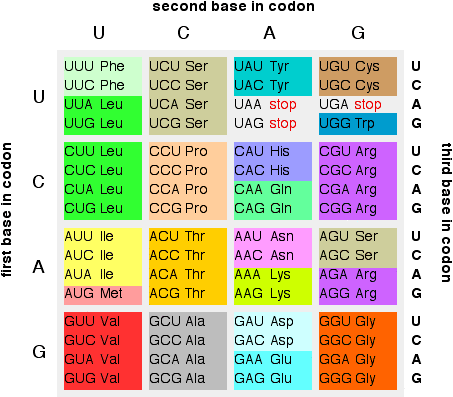
Genes are composed of DNA.  They are combinations of 2 functionally equal nitrogenous base pairs called AT and CG, and there are only 64 possible combinations (codons), known as “The Genetic Code”.    All gene bases are functionally equal, producing the 20 well-known amino acids used to make protein or to stop and start protein synthesis.  No known human genetic defects contribute directly to unrestrained or rapid growth.

The genetic code is the universal “dictionary” by which genetic information is used to make PROTEINS — the functional machinery of living organisms.

It is a function that determines how a set of nucleotides on messenger RNA (mRNA, a type of RNA,  the instructions conveyed from DNA for making proteins) will be turned into a set of amino acids. Nucleotides  (in a specific and controlled order) are the building blocks of DNA and RNA.  Each nucleotide has 3 parts: a nitrogenous base, a pentose sugar and a phosphate. When DNA is transcribed into messenger RNA, the sequence of bases remains exactly the same, except that each thymine (T) is replaced by uracil (U).

The nitrogenous base.  One of adenine (A), guanine(G), cytosine(C), thymine(T), and uracil (U). A, C and G are found in both RNA and DNA, T is only in DNA and U takes the place of Thymine in RNA.

In DNA, the nitrogenous bases  form one of two functionally equal base pairs – either AT or CG.

Diagram shows all 64 codons in mRNA

The “words” (codons, nucleotide triplets) of the genetic message are three nucleotides long

SInce RNA and DNA each have only 4 bases and a “word” (codon) is 3 nucleotides long,  the “dictionary” has only 64 permutations (i.e. 43) possible “words”, with U of mRNA codons substituting for T in DNA, when making amino acids according to mRNA instructions.

Proteins

 61 of these 64 “words” (codons, nucleotide triplets of nitrogenous bases) are utilized by messenger RNA (mRNA, directs protein synthesis) to code for the 20 amino acids, which are then selectively strung together in the cytoplasm (attached on ribosomes) to make different proteins (called polypeptides).  Except for methionine (ATG) and tryptophan (TGG), the other 18 amino acids  have more than one codon (from 2 to 6) – and the code is therefore called degenerate. Some example amino acids are glycine (GGT), serine (TCT), and valine (GCT).    e.g.  the polypeptide glycine-serine-valine will read GGT-TCT-GCT.  3 “words” (codons) are used to indicate where a polypeptide stops: TAA, TAG and TGA.  The polypeptide “START” is indicated by ATG (the identical codon as methionone).

Cancer-protective gene p53 / Cancer-promoting bcl2 oncogene

All cells (except brain and muscle cells) multiply continuously, with cell growth / replication regulated by the  and bcl2 genes.

p53 represents a safety inspector in a cell. If this inspector detects a problem (e.g. a damaged cell), it can call in a repair crew, initiate senescence (cell remains alive but does not divide), or shut down the cell if it’s too damaged (apoptosis). If p53 is not present defective cells can continue to proliferate

  • If the p53 gene dominates – the products of p53 activation promote healthy apoptosis (natural cell death), and thus control cellular replication, such that cancer does not occur.   p53 gene can also stop DNA-damaged cells from dividing.
  • If the oncogene bcl2 (B-cell lymphoma 2) dominates – it will push cells towards becoming cancerous. Overexpression of bcl2 gene overrides the p53 cancer-protective gene, thus allowing cells to replicate and become cancerous.

One way to cure cancer is to find agents that activate p53 and downregulate bcl2.

For example: The hormone progesterone decreases cell proliferation.  “Turns on” P53 – allowing apoptosis of cancer cells. Breast cancer cells do not multiply when women are on progesterone – which also reverses cancer of the ovary and uterus and small cell lung cancer (normally having a dismal diagnosis). In contrast, the hormone estradiol can increase cell proliferation by increasing bcl2 expression.  In many estrogen receptor-positive (ER-positive) breast cells and breast cancers, estradiol binds to the estrogen receptor alpha (ERα). The activated receptor then acts as a transcription factor and can upregulate the expression of the bcl2 gene – reducing apoptosis (natural cell death) and increasing cell survival. If bcl2 is overexpressed, it can block apoptosis promoted by p53 gene, allowing cancer cell development in both breast and prostate cells (containing ERα) “To die or not to die?”, JAMA. Jan. 28, 1998; 279:300- 307

In 1997, Dr.T.S. Wiley and Dr. Ben Formby (a Danish molecular biologist) grew cell cultures of breast, endometrium, ovary and prostate. Adding estradiol led to upregulation of bcl2 gene resulting in cells growing rapidly and not dying. By next adding progesterone, the cells stopped growing as rapidly, died on time and the cancer disappeared.   1997, Dr.T.S. Wiley and Dr. Ben Formby, U. of California, Santa Barbara.

Both the uterus and prostate develop from the same embryonic cells, and both contain the oncogene bcl2 and the cancer protective gene p53.

Cancer Overview:

N E W  S T A R T S

Attend to Diet, Lifestyle & Emotional State

Chronic low-level inflammation

Electrotherapy

The Medical Kit of the Future

  • Detoxifies
  • Boosts immune system / cellular energy
  • Anti-inflammatory / Pain-relief
  • Aids sleep / Reduces stress
  • Accelerates healing of tissue, bone, muscles, scars
  • Improves circulation +++

Successful electrotherapies