




PET, CT or MRI scans - Which give "True Picture" of cancer health?
CANCER: A Wake-up call
- Cancer: Far from a death sentence!
- INDEX
- CAUSES
- Types
-
-
Types of Cancer
Brain cancer
Breast cancer
Breast cancer – Overview of this all too prolific cancer
- Are mammograms beneficial?
- What are the causes / risk factors of breast cancer?
- Almost half of women have dense breast tissue affecting ability to see abnormal tissue on mammogram
- What measures can I take to prevent breast cancer?
- How to treat breast cancer
- Bras and breast cancer
- Iron / Aluminum toxicity in breast cancer
- Say “No!” to mammograms
Lung cancer
Skin cancer
Skin cancer (Squamous cell carcinoma, Basal cell carcinoma, melanoma)
-
-
- 1-2-3 TREATMENT PLAN:
- ✚ Core
-
-
Cancer Core Treatments

Cancer treatment core – Cancer Not Allowed!
CHART of core treatments
Suggested daily scheduleDetoxification
- Detoxification
- Boost immune system
- Beck Protocol Cancer Treatment
- Clean the cleaning organs
- Coffee Enema
- Heavy Metal Detox
- Bio-oxidative Therapy
Cancer Diet
- The Cancer Diet – Make every bite and gulp count
- Vitamin D Cancer Treatment
- The “O3-FIX” /BUDWIG PROTOCOL
- Magnesium – Cancer Treatment
- Baking Soda + Maple Syrup
- Antioxidant Therapy
- Vitamin C Therapy
- Alkalizing Therapy
- Sulforaphane (Eat your broccoli)
- Anticancer essential oils
Prevent Metastasis
- Prevent metastasis
- Clodronate – Prevent bone metastasis
- Rath Cellular Solution
- Iodine against Cancer
Other Considerations
-
-
- ❌Eliminate
-
-
Eliminate Cancer Cells
ELIMINATE THE CANCER CELLS
CHOOSE TREATMENTS
Treatment incompatabilitiesAre You at Stage IV of cancer?
Insulation potentiation therapy (IPT) (reduces amount of needed chemo drugs)

Non-Stage IV / Add-On Treatment
- Asparagus Protocol
Baking Soda and Maple Syrup
Beck Protocol Cancer Treatment
Bill Henderson Protocol
Graviola or PawPaw Protocol
I3C in broccoli sprouts (hormone sensitive cancers)
Laetrile (B17)
Low Dose Naltrexone (LDN) – Cancer Treatment
Ozone Therapy
Reduce ESTROGEN (Especially with lung and reproductive organ cancers)
Rath Cellular Solution – Prevent metastases
Sulforaphane (Eat your broccoli)

STAGE IV (ADVANCED):
Stage IV (NOT Fast-growing) treatment choices:
- RIFE RESONANCE CANCER PROTOCOL
The “O3-Fix” / BUDWIG PROTOCOL
BRANDT GRAPE PROTOCOL
INSULIN Potentiation TherapyTONY ISAAC’S OLEANDER PROTOCOL
– Oleander Soup
OZONE RHP
Stage IV (Fast-growing) treatment choices:


- Asparagus Protocol
-
-
- Close Door
A PET scan - Best choice to show if you still have cancer
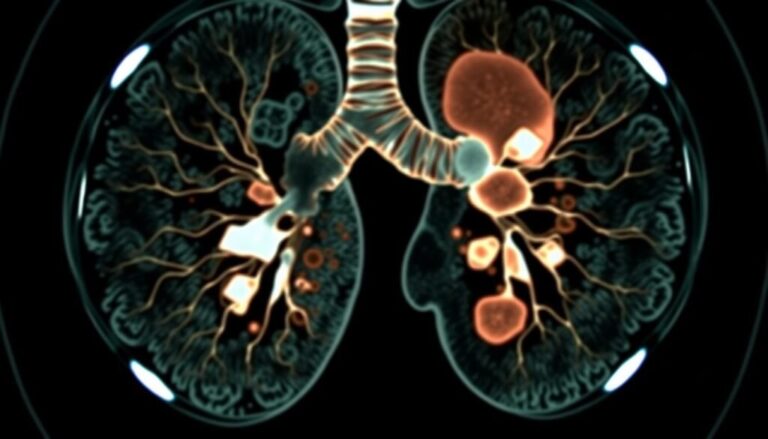
A PET scan, not a CT or MRI scan, shows the “true Picture” of whether your cancer cells have been dealt with
- On standard CT and MRI scans, a residual tumor mass may remain visible even when some or all of the cancer cells have died. Although contrast-enhanced and specialized imaging can sometimes help distinguish viable tumor from necrotic tissue, CT or MRI appearance and tumor size alone do not always determine whether the remaining tissue contains living cancer cells.
- PET scans differentiate between live and dead cancer cells. A standard radioactive PET scan (FDG-PET) generally does not make dead tissue “light up” the way metabolically active tissue does.
The body eventually breaks down and eliminates dead cancer cells
CT scans can cause cancer
CT scans cause an estimated 1.5 – 2% of cancer cases due to radiation doses
According to a 2009 study in the Archives of Interna
If you do have a CT or MRI scan, protect kidneys from radiation damage
Baking soda is used to protect kidneys from radiation damage from such as CT scans, MRIs and other radiological diagnostics or treatments
Baking Soda Protects Kidneys from Radiological / Chemotherapy damage and slows kidney diseases
References
Berrington de González A, Mahesh M, Kim KP, Bhargavan M, Lewis R, Mettler F, Land C. Projected cancer risks from computed tomographic scans performed in the United States in 2007. Arch Intern Med. 2009 Dec 14;169(22):2071-7. doi: 10.1001/archinternmed.2009.440. PMID: 20008689; PMCID: PMC6276814. PubMed
Brenner DJ, Hall EJ. Computed tomography–an increasing source of radiation exposure. N Engl J Med. 2007 Nov 29;357(22):2277-84. doi: 10.1056/NEJMra072149. PMID: 18046031. PubMed