




1-2-3 Cancer Treatment Plan:
(2) Eliminate the cancer cells
Unlike chemotherapy and radiation, treatments presented on this website DO NOT HARM HEALTHY CELLS
The Good News! - Effective DIY treatments for eliminating cancer cells do exist
The stage of your cancer is the most important factor determining your best MAIN treatment options.
There are several MAIN treatment choices for non-stage IV cancers, but only a couple that are sufficiently powerful and fast-acting to tackle your cancer, if has progressed to stage IV (Advanced / metastatic) cancer.
Stage IV (Advanced / Metastatic) cancer treatment choices
Non-stage IV cancer (NOT imminently life-threatening) treatment options
It requires some effort to choose which specific treatments to utilize for your personal cancer plan
You need to ensure that the chosen treatments are the most applicable for your specific cancer, appropriate for the stage of advancement of your cancer and are not incompatible. It is important to understand the different effects of the treatments:
Cancer treatment incompatibilities
It is important to do your research and particularly check compatibility of treatment elements with any drugs taken
Be aware that some treatments are incompatible with certain other treatments or nutrients (mentioned in treatment details)
For example:
- No Vitamin C with Graviola /Paw Paw, Hydrazine Sulfate or Protocel
- No probiotics with apricot seed extract
- No other treatment except CHEMOTHERAPY with Graviola / Paw Paw
- No blood thinners with pancreatic enzymes (proteolytic enzymes), which are also blood thinners
- No strong prescription drugs with Beck Protocol (mild drugs can be taken immediately after treatment) or RIFE RESONANCE PROTOCOL (Blood cleansing frequencies)
- No tranquilizers with Hydrazine Sulfate (potentially fatal)
- BRANDT GRAPE PROTOCOL can NOT be combined with CESIUM CHLORIDE/DMSO PROTOCOL.
- Primary treatments producing debris should not be combined. This prevents overloading immune system.
Some cancers require special treatment
- Brain Cancer. Because of the “blood brain barrier” and the danger of inflammation / swelling.
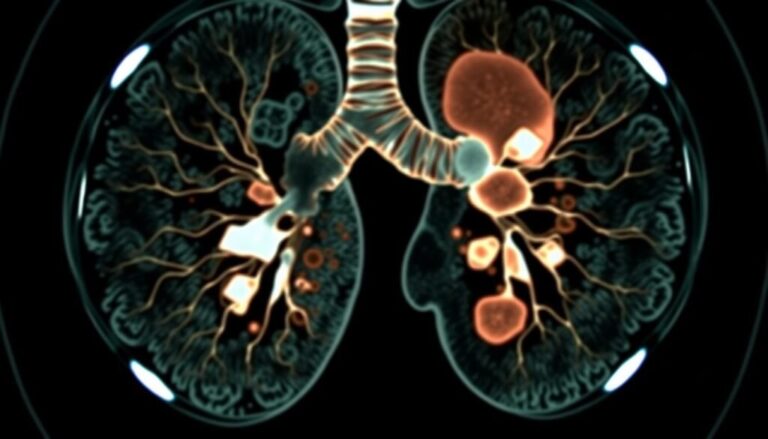
- Lung Cancer. Because dead cancer cell debris or inflammation can obstruct breathing.
- Bone and bone marrow cancer. Because there are no blood vessels that directly get to the cancer cells.
- Leukemia. Originates in the bone marrow.
Special cases that particularly benefit from electromedicine treatment
- Inability to digest foods effectively (usually due to stomach or colon surgery).
- Inability to extract nutrients from foods/supplements effectively. E.g. when stomach lining is damaged by chemotherapy.
- With a fast growing or spreading cancer. Frequency therapies directly and immediately disable cancer microbes inside cancer cells, of major significance if there is not enough time for building up the immune system to do the job.
- When cancer is in the bones or bone marrow. Nutritional protocols may not be able to reach the cancer cells, but the “HIGH RF FREQUENCY GENERATOR” / “PLASMA AMPLIFIER” can.
- When there is a risk of life-threatening inflammation/swelling in tumor area. No inflammation is caused when electromedicine disables microbes inside cells.
- When type of cancer involves heavy infections. Electromedicine can kill infective microbes
Stage IV (Advanced / Metastatic) cancer treatment choices
You are considered to have stage IV cancer if you have any of the following criteria:
- Metastasized cancer. Cancer cells travel (via the bloodstream or lymphatic system) from their primary site to a distant location, to develop a secondary malignant growth / tumor. E.g. to the bones, lymph nodes, lungs, liver, pancreas or brain;
- Any type of bone cancer
- A FAST-GROWING / high fatality cancer. E.g. lung cancer, pancreatic cancer, multiple myeloma, squamous cell carcinoma, melanoma;
- You have been treated with extensive chemotherapy and/or radiation therapy
- A swelling or inflammation of a tumor could cause a blockage of key fluids E.g. Lung Cancer
- ADVANCED / LATE STAGE – Meaning you have been given an estimated one year or less to live
- Orthodox medicine rates the cancer as Stage IV
A person with advanced cancer who has undergone a failed orthodox medical treatment has fewer treatment options
But can still have a reasonable shot at a cure. A person who has undergone mainstream medical treatment is likely to be facing some major, but not necessarily insurmountable challenges:
- Their immune system has been virtually destroyed. A consequence of chemotherapy, radiation, and surgery.
- Their body is overloaded with fungus, and other microbes. Their weakened immune systemhas difficulty eliminating microbes and their body is overly acidic;
- Their cancer is stronger than ever. The cancer cells have developed a resistance to chemotherapy, called Multiple Drug-Resistant cancer cells. These MDR cells are one of the main reasons cancer patients in regression have such a high fatality rate;
- At least one major organ (usually the liver) has been severely damaged;
- Numerous non-cancerous healthy cells have been killed or damaged. Chemotherapy does not target cancer cells; cancer cells have stolen nutrients and glucose from the formerly healthy cells;
- Their bone mass and muscle mass may have been depleted. Cancer cells consume a lot of glucose (common in patients with cachexia);
- Their cells are acidic. Acidity is what helped cause the cancer to thrive in the first place and makes person susceptible to getting cancer again (i.e. regression);
- Their digestive tract is probably severely damaged and cannot absorb nutrients;
- They may be in extreme pain and possibly have lost the will to live. VERY significant factors.
3 major considerations must be addressed in choosing a treatment method for a person with advanced cancer
Killing cancer cells is not difficult, but to kill them timely and safely, consideration must be given to the following issues:
- Treatment can not depend on the GRADUAL build-up of the immune system. Since, it takes time to build the immune system, and time is a luxury that someone with stage IV cancer does not have.
- Inflammation / Swelling and congestion (in lung cancer). Can be very dangerous for certain types of cancer (E.g. inflammation / swelling in lung, brain and GI tract cancers), and in certain cases.
- Getting rid of the debris from dead cancer cells and broken-up DNA places a great burden on what is left of the body’s immune system. This requires that the treatment be “paced” to allow the body time to eliminate the waste.
It is interesting to note:
Orthodox cancer treatments must be “paced” because of the HEALTHY CELLS they damage or destroy
“STAGE IV” alternative cancer treatments must be “paced” because of DEAD CANCER CELL debris they produce
Only about a dozen alternative treatments are potent enough to give advanced cancer patients a fair chance of survival, especially after chemo and radiation.
MAIN treatment options for stage IV (ADVANCED / METASTATIC) cancers (but not if FAST-GROWING or LATE STAGE):
Although your cancer is a stage IV, if it is not fast-growing or Advanced / LATE-STAGE – then you have enough time to rely on building up the immune system as a main force against cancer;
MAIN treatment options for stage IV (ADVANCED / METASTATIC) cancers (includes FAST-GROWING or LATE STAGE):
If your cancer is fast-growing (E.g. lung cancer, pancreatic cancer, multiple myeloma, squamous cell carcinoma, melanoma), or in late stage – then treatment cannot rely on having enough time to build up the immune system as a main tactical force against cancer
CESIUM CHLORIDE / DMSO PROTOCOL
For people who have had extensive chemotherapy and radiation, and have only a short time to live, the alkalinity in the CESIUM CHLORIDE / DMSO PROTOCOL will quickly slow down the spread of cancer, shrink tumors and reduce pain.
CESIUM CHLORIDE / DMSO PROTOCOL
BUDWIG / PLASMA PROTOCOL
The “O3-Fix” / BUDWIG PROTOCOL
and
RIFE RESONANCE CANCER PROTOCOL
(Using The “HIGH RF FREQUENCY GENERATOR” with “PLASMA AMPLIFIER”)
Non-stage IV cancer (NOT imminently life-threatening) treatment options
Cancers which are not imminently life-threatening can be treated by one of the Non-Stage IV / Add-On treatments (denoted in lower-case font) – which it is emphasized are NOT strong enough as PRIMARY treatments for STAGE IV (Advanced / metastatic) cancer.
Beck Protocol Cancer Treatment