


- NUTRITION: Live to eat or eat to live?”
- Food Types
-
-
Food types we eat:
When choosing foods from each food type - the details matter
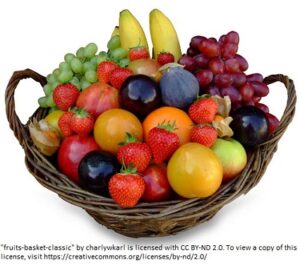
Fruits / Veggies 
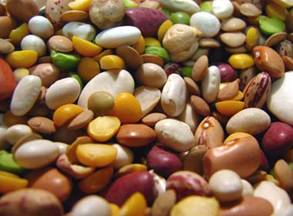
Legumes 
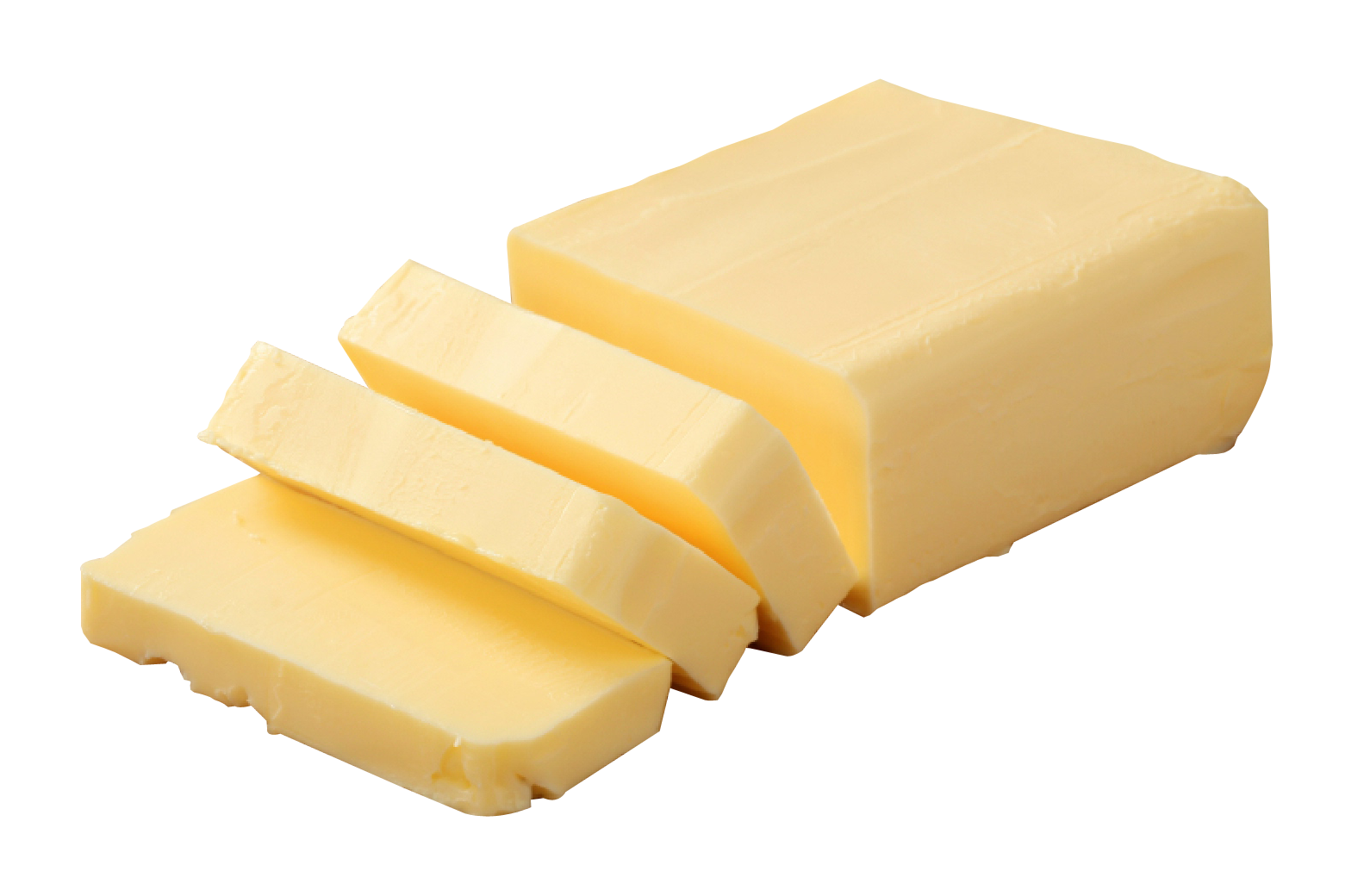
Fats / Oils 
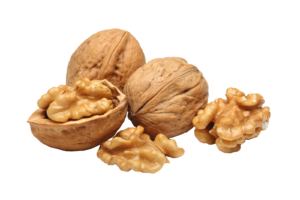
Nuts / Seeds 
Meat 

Grains 
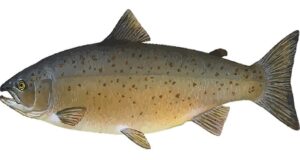
Fish 
Beverages 
Dairy 
Sweeteners 
Eggs 
Herbs, spices, salt
-
-
- Nutrients
-
-
Nutrients we need:
Glucose Provided by carbohydrates; needed to produce cellular energy 
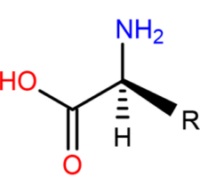
Amino acids Protein building blocks 
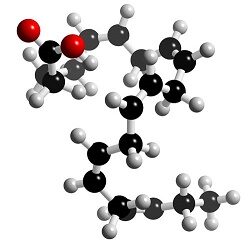
Fatty Acids Fat building blocks 
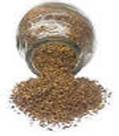
Fiber Stool softener and intestinal sweeping brush 

Antioxidants / Vitamins Neutralize oxidants. Vitamins (A, B, C, D, E ), phytonutrients(carotenoids, polyphenols), others (CoQ10) 
Minerals ~ 25 of the 92 naturally occurring major and trace mineral elements are essential for life. Magnesium, sulfur, selenium, zinc, manganese may not be sufficiently present in diet and may need to be supplemented. 
Enzymes Make things happen! Composed of amino acid chains, enzymes act as catalysts to speed up biochemical reactions in our body. 
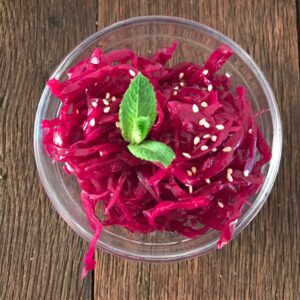
Probiotics – “For Life!”
More than 2/3 of your immune system is in your gut, dependent on a healthy presence of microflora. 

Food electrons Needed for cellular energy production Harmful Foods / Practices

Genetically modified foods / GMOs GM plant or animal foods having adverse health-effects. DNA molecules from bacteria, viruses, insects, plants, animals, humans are combined to form new genes to transfer to plants for herbal tolerance of weed-killer and / or insect-resistance, or animals / fish for selective breeding of desirable traits 
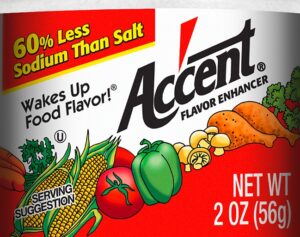
Monosodium glutamate (MSG) 
Aspartame This sugar-free sweetener is a neurotoxin 
Sucralose 0 calorie sweetener is a harmful organochlorine 
Chlorination Disease-causing disinfectant in your water 
Fluoridation Mega health fraud 

Microwaved food - Not so convenient for your health Harmful when eaten to excess

High Fructose
Corn Syrup (HFCS)
Too much fructose 
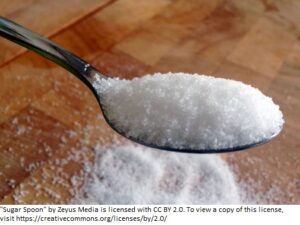
Too much sugar 

Too much caffeine 
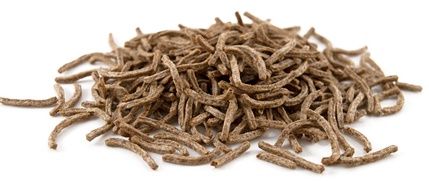
Antinutrients Particularly lectins (e.g. prolamins, agglutinins) and phytate in IMPROPERLY prepared WHOLE grains, seeds, nuts and legumes. Lectins can cause a “leaky gut” inflammation leading to IBS, allergies, asthma, arthritis, anemia, obesity, +++ ; Phytate can cause malabsorption of magnesium, calcium, iron, copper, and zinc; 

Alcohol Moderation is the key Good general food choices
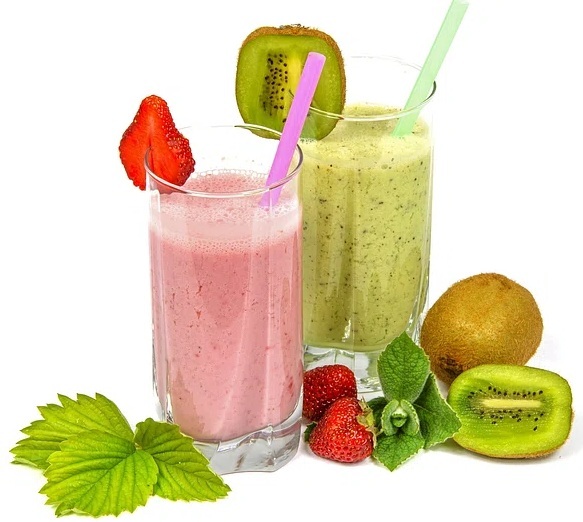
Daily 'No-brainer' 💡
"Make-it-Happen" smoothie:This daily drink with supporting supplements contains nutrients typically missing from our diet to restore / maintain physical and mental health. It includes the Rath-Pauling therapy at maintenance level providing important antioxidant vitamin C and amino acids for building collagen, also Omega-3 fats, magnesium, iodine, and vitamin D 
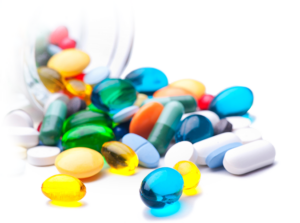
RECOMMENDED DAILY SUPPLEMENTS CHART 

Grown in your native environment i.e. locally grown and in season 
Organic – What does that mean? Natural, unprocessed and organic (chemical/GMO-free). 

Glycemic Index (GI) vs. Glycemic Load (GL) A food's glycemic index indicates how much it raises blood sugar, but its glycemic load (GL) gives a gives a truer comparison between foods, since it accounts for typical serving size. 

What foods does the bible
say are good to eat or not?
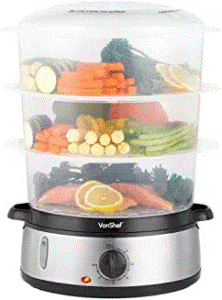
Cooking to preserve nutrients Aim for at least 1/3 raw. Raw food contains enzymes, which are destroyed by heat. Some nutrients are made more bioavailable by heating, some are destroyed. 
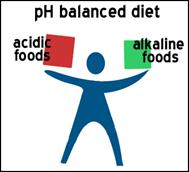
ACID / ALKALINE BALANCE
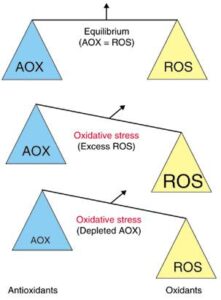
ANTIOXIDANT / OXIDANT BALANCE
-
-
- Harmful foods / practices
-
-
Harmful Foods / Practices
Genetically modified foods / GMOs GM plant or animal foods having adverse health-effects. DNA molecules from bacteria, viruses, insects, plants, animals, humans are combined to form new genes to transfer to plants for herbal tolerance of weed-killer and / or insect-resistance, or animals / fish for selective breeding of desirable traits 
Monosodium glutamate (MSG) 
Aspartame This sugar-free sweetener is a neurotoxin 
Sucralose 0 calorie sweetener is a harmful organochlorine 
Chlorination Disease-causing disinfectant in your water 
Fluoridation Mega health fraud 
Microwaved food - Not so convenient for your health Harmful when eaten to excess

High Fructose
Corn Syrup (HFCS)
Too much fructose 
Too much sugar 
Too much caffeine 
Antinutrients Particularly lectins (e.g. prolamins, agglutinins) and phytate in IMPROPERLY prepared WHOLE grains, seeds, nuts and legumes. Lectins can cause a “leaky gut” inflammation leading to IBS, allergies, asthma, arthritis, anemia, obesity, +++ ; Phytate can cause malabsorption of magnesium, calcium, iron, copper, and zinc; 
Alcohol Moderation is the key
-
-
- Good choices
-
-
Good nutritional choices

Daily 'No-brainer' 💡
"Make-it-Happen" smoothie:This daily drink with supporting supplements contains nutrients typically missing from our diet to restore / maintain physical and mental health. It includes the Rath-Pauling therapy at maintenance level providing important antioxidant vitamin C and amino acids for building collagen, also Omega-3 fats, magnesium, iodine, and vitamin D 
RECOMMENDED DAILY SUPPLEMENTS CHART 
Grown in your native environment i.e. locally grown and in season 
Organic – What does that mean? Natural, unprocessed and organic (chemical/GMO-free). 
Glycemic Index (GI) vs. Glycemic Load (GL) A food's glycemic index indicates how much it raises blood sugar, but its glycemic load (GL) gives a gives a truer comparison between foods, since it accounts for typical serving size. 
What foods does the bible
say are good to eat or not?
Cooking to preserve nutrients Aim for at least 1/3 raw. Raw food contains enzymes, which are destroyed by heat. Some nutrients are made more bioavailable by heating, some are destroyed. 
ACID / ALKALINE BALANCE

ANTIOXIDANT / OXIDANT BALANCE
-
-
Goitrogens vs. Iodine
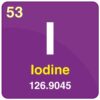
IODINE:
What are goitrogens?
Goitrogens are chemicals that interfere with the body’s uptake and utilization of iodine
In the thyroid, goitrogens slow down production of the thyroid’s “master metabolism” hormones (T3 and T4) by blocking its access to iodine or disrupting communication with thyroid cells. This can result in a failure of the auto-regulating feedback loop for T4/T3 synthesis and/or the inability to utilize available iodine. Consequentially, due to incomplete thyroid hormone synthesis, the thyroid follicles continue to fill with an excessive amount of colloid thyroglobulin that has not been made into TH. This is seen as a lump on the front base of the neck – called a goiter.
Goitrogens include:
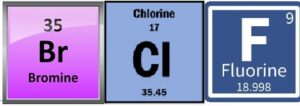
(1) The halogens: bromine, fluorine, chlorine, which compete with iodine for the body’s cell receptors. In an iodine-deficient person this could:
- Normal saliva to blood iodide ratio is about 42, but is lowered to < 20 when very high levels of bromide / fluoride bind to the symporter pumps that take iodine into the cells (i.e. more iodide is left in the blood).
- Reduce hydrochloric acid production in the stomach by causing iodide-pumps to malfunction.
(2) Isoflavones and isothiocyanates in certain foods. E.g. excessive coonsumption of soybeans (and products), cruciferous vegetables – prevent iodine addition into thyroid hormones
(3) Certain drugs. E.g. thiouracil and sulfonamides
Goitrogenic halogens have become excessively common in today’s world
In addition to iodine, there are 4 other halogens (group 17 of the periodic table). These are bromine, fluorine, chlorine and less biologically relevant astatine (of which only iodine and chlorine are essential to the body). In recent decades, these halogens have majorly infiltrated our lives.
Halogens compete for cellular receptors - iodine is the "loser and the "winners" chlorine, flourine, and bromine are taking over!
Fluorine, chlorine and bromine can all displace iodine.
Atomic weights of the 4 well-known halogens are: Fluorine (18.99), Chlorine (35.45), Bromine (79.99) and iodine (125.70). “The clinical activity of any one of the halogens is in inverse proportion to its atomic weight. This means that any one of the four can displace the element with a higher atomic weight but cannot displace an element with a lower atomic weight.” J.C. Jarvis, M.D.Folk Medicine, Henry Holt & Co., 1958, HB, p. 136)
Chlorine
We need chlorine (and its other forms eg chloride, chlorate) in SMALL amounts, however, in large amounts chlorine is toxic! Together with its byproducts has been linked to: birth defects, cancer, reproductive disorders, stillbirth, and immune system breakdown.
Many sources of chlorine have infiltrated our lives:
- Excess table salt (sodium chloride). Competes with iodine, shown to cause hypothyroidism in China.
- Public (chlorinated) water: Drinking water, shower and dishwasher steam.
- Swimming pools, hot tubs
- Sucralose (Splenda®)
- Spray can propellants
Fluorine
Fluorine (and its other forms e.g. fluoride) shows up in various sources:
- Many processed foods / beverages
- Children’s fluoride dental treatments. Additive in most toothpastes.
- Added to public water systems Fluoridation – Health Fraud
Bromine
Bromine (a prolific toxin in our bodies) has goitrogenic, carcinogenic and narcoleptic properties. The U.S. is exposed to high amounts of the goitrogen bromide via our food and water supply:
- Several medicines, nasal sprays, anaesthesia
- All bakery products
- Several soft drinks
- Fumigated citrus fruit, nuts, oils
- Pesticides
A certain level of iodine is needed to prevent unwanted halogens occupying available halogen receptors (especially in the case of bromine).
Tests have proven an iodine dose of 12.5 mg/day adequate to remove fluorine (in non-heavy fluoride consumers), but at least 20 mg/day is needed to dislodge bromine quickly.
- A person needs to have sufficient protein and vitamin C to deal with the influx of iodine which becomes available for utilization as the bromine and fluorine are being pushed out; the body uses the protein sodium iodide symporter to transport iodine into cells. Dr. Abraham has shown that vitamin C is helpful in supporting this pump.
Nitty gritty: Iodide must bind to a halide symporter binding site before cellular uptake via the iodine pump. Goitrogenic substances compete with iodide for these binding sites. These iodide transport / utilization inhibitors interfere with iodide transport at the cell membrane in several organs at sites of iodide oxidation and utilization.
Certain foods /drugs naturally contain goitrogens
Foods
Certain foods contain goitrogenic isoflavones and isothiocyanates associated with decreased thyroid function. Isoflavones are a member of the health-supportive, antioxidant flavonoid family, that give virtually all plants their vivid array of colors. Isoflavones, such as genistein in soy, have been found to: (i) Block the activity of the thyroid peroxidase (TPO) enzyme. Necessary for adding iodine into thyroid hormones. (ii) Disrupt messages across thyroid cell membranes- Cruciferous vegetables (contain isothiocyanates). Members of the Brassicaceae family (includes broccoli, cauliflower, Brussels sprouts, cabbage, mustard, rutabagas, cassava root, kohlrabi and turnips); crucifers also naturally produce the iodide competitor methyl bromide.
- Soybean foods (contain isoflavones). These includes soybeans, soy extracts, tofu, tempeh, soybean oil; contain the isoflavones genistein and daidzein, and glycitein.
- Some other foods. E.g. peaches, strawberries, millet, pears, peanuts, radishes, spinach, pine nuts, bamboo shoots and sweet potatoes
Certain drugs are goitrogenic
E.g. thiouracil and sulfonamides