- NUTRITION: Live to eat or eat to live?”
- Food Types
-
-
Food types we eat:
When choosing foods from each food type - the details matter
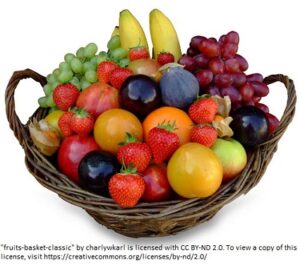
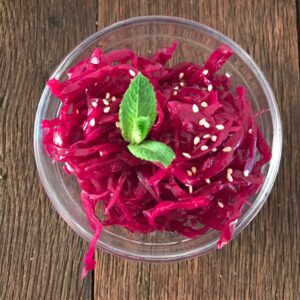
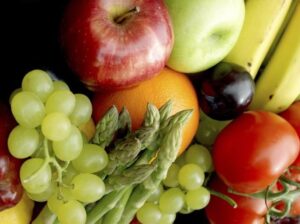
Fruits / Veggies 
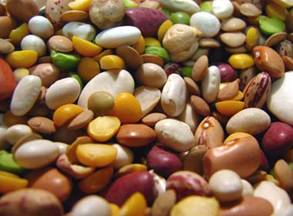
Legumes 
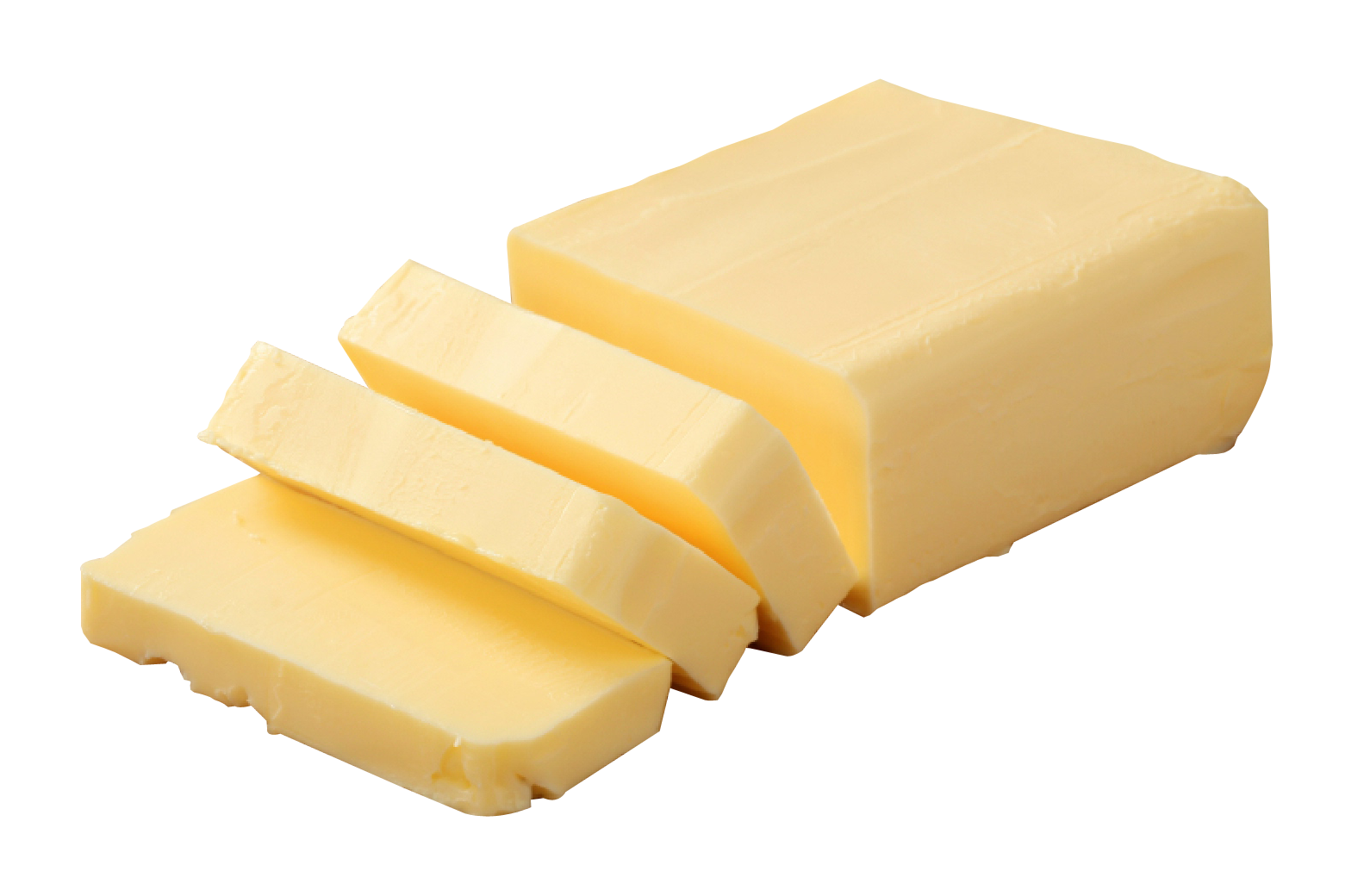
Fats / Oils 
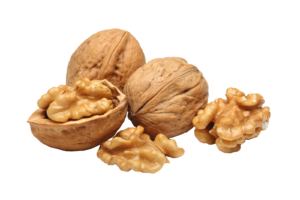
Nuts / Seeds 
Meat 
Grains 
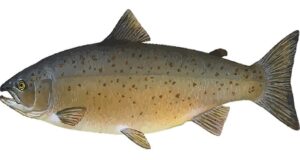
Fish 
Beverages 
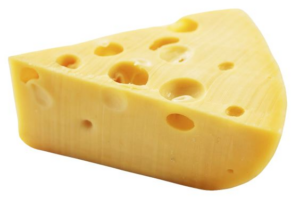
Dairy 
Sweeteners 
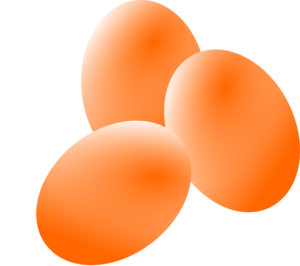
Eggs 
Herbs, spices, salt
-
-
- Nutrients
-
-
Nutrients we need:

Glucose Provided by carbohydrates; needed to produce cellular energy 
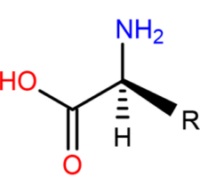
Amino acids Protein building blocks 
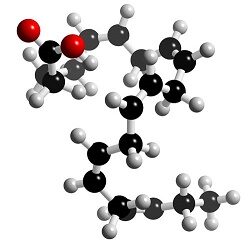
Fatty Acids Fat building blocks 
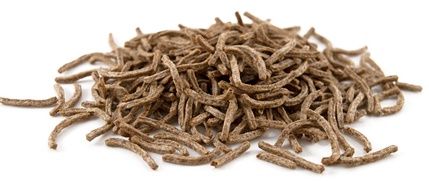
Fiber Stool softener and intestinal sweeping brush 
Antioxidants / Vitamins Neutralize oxidants. Vitamins (A, B, C, D, E ), phytonutrients(carotenoids, polyphenols), others (CoQ10) 
Minerals ~ 25 of the 92 naturally occurring major and trace mineral elements are essential for life. Magnesium, sulfur, selenium, zinc, manganese may not be sufficiently present in diet and may need to be supplemented. 
Enzymes Make things happen! Composed of amino acid chains, enzymes act as catalysts to speed up biochemical reactions in our body. 
Probiotics – “For Life!”
More than 2/3 of your immune system is in your gut, dependent on a healthy presence of microflora. 
Food electrons Needed for cellular energy production Harmful Foods / Practices

Genetically modified foods / GMOs GM plant or animal foods having adverse health-effects. DNA molecules from bacteria, viruses, insects, plants, animals, humans are combined to form new genes to transfer to plants for herbal tolerance of weed-killer and / or insect-resistance, or animals / fish for selective breeding of desirable traits 
Monosodium glutamate (MSG) 
Aspartame This sugar-free sweetener is a neurotoxin 
Sucralose 0 calorie sweetener is a harmful organochlorine 
Chlorination Disease-causing disinfectant in your water 
Fluoridation Mega health fraud 
Microwaved food - Not so convenient for your health Harmful when eaten to excess

High Fructose
Corn Syrup (HFCS)
Too much fructose 
Too much sugar 
Too much caffeine 

Antinutrients Particularly lectins (e.g. prolamins, agglutinins) and phytate in IMPROPERLY prepared WHOLE grains, seeds, nuts and legumes. Lectins can cause a “leaky gut” inflammation leading to IBS, allergies, asthma, arthritis, anemia, obesity, +++ ; Phytate can cause malabsorption of magnesium, calcium, iron, copper, and zinc; 
Alcohol Moderation is the key Good general food choices

Daily 'No-brainer' 💡
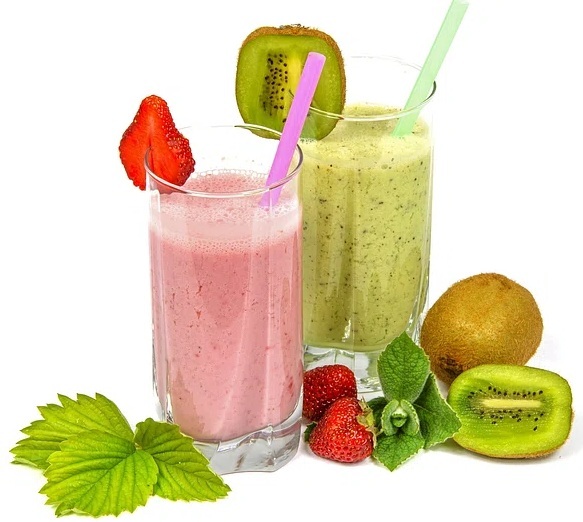
"Make-it-Happen" smoothie:This daily drink with supporting supplements contains nutrients typically missing from our diet to restore / maintain physical and mental health. It includes the Rath-Pauling therapy at maintenance level providing important antioxidant vitamin C and amino acids for building collagen, also Omega-3 fats, magnesium, iodine, and vitamin D 
RECOMMENDED DAILY SUPPLEMENTS CHART 
Grown in your native environment i.e. locally grown and in season 
Organic – What does that mean? Natural, unprocessed and organic (chemical/GMO-free). 
Glycemic Index (GI) vs. Glycemic Load (GL) A food's glycemic index indicates how much it raises blood sugar, but its glycemic load (GL) gives a gives a truer comparison between foods, since it accounts for typical serving size. 
What foods does the bible
say are good to eat or not?
Cooking to preserve nutrients Aim for at least 1/3 raw. Raw food contains enzymes, which are destroyed by heat. Some nutrients are made more bioavailable by heating, some are destroyed. 
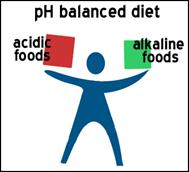
ACID / ALKALINE BALANCE

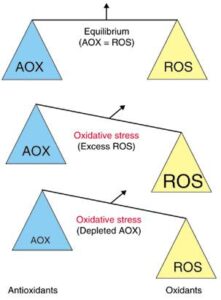
ANTIOXIDANT / OXIDANT BALANCE
-
-
- Harmful foods / practices
-
-
Harmful Foods / Practices

Genetically modified foods / GMOs GM plant or animal foods having adverse health-effects. DNA molecules from bacteria, viruses, insects, plants, animals, humans are combined to form new genes to transfer to plants for herbal tolerance of weed-killer and / or insect-resistance, or animals / fish for selective breeding of desirable traits 
Monosodium glutamate (MSG) 
Aspartame This sugar-free sweetener is a neurotoxin 
Sucralose 0 calorie sweetener is a harmful organochlorine 
Chlorination Disease-causing disinfectant in your water 
Fluoridation Mega health fraud 
Microwaved food - Not so convenient for your health Harmful when eaten to excess

High Fructose
Corn Syrup (HFCS)
Too much fructose 
Too much sugar 
Too much caffeine 

Antinutrients Particularly lectins (e.g. prolamins, agglutinins) and phytate in IMPROPERLY prepared WHOLE grains, seeds, nuts and legumes. Lectins can cause a “leaky gut” inflammation leading to IBS, allergies, asthma, arthritis, anemia, obesity, +++ ; Phytate can cause malabsorption of magnesium, calcium, iron, copper, and zinc; 
Alcohol Moderation is the key
-
-
- Good choices
-
-
Good nutritional choices

Daily 'No-brainer' 💡
"Make-it-Happen" smoothie:This daily drink with supporting supplements contains nutrients typically missing from our diet to restore / maintain physical and mental health. It includes the Rath-Pauling therapy at maintenance level providing important antioxidant vitamin C and amino acids for building collagen, also Omega-3 fats, magnesium, iodine, and vitamin D 
RECOMMENDED DAILY SUPPLEMENTS CHART 
Grown in your native environment i.e. locally grown and in season 
Organic – What does that mean? Natural, unprocessed and organic (chemical/GMO-free). 
Glycemic Index (GI) vs. Glycemic Load (GL) A food's glycemic index indicates how much it raises blood sugar, but its glycemic load (GL) gives a gives a truer comparison between foods, since it accounts for typical serving size. 
What foods does the bible
say are good to eat or not?
Cooking to preserve nutrients Aim for at least 1/3 raw. Raw food contains enzymes, which are destroyed by heat. Some nutrients are made more bioavailable by heating, some are destroyed. 
ACID / ALKALINE BALANCE

ANTIOXIDANT / OXIDANT BALANCE
-
-
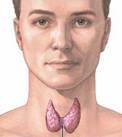
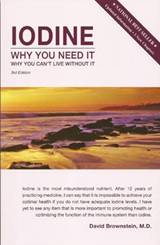
Iodine deficiency is common - Why is that?
IODINE:
Why are we iodine deficient?
#1 Likely Reason – Presence of goitrogens that compete with iodine for body’s receptors
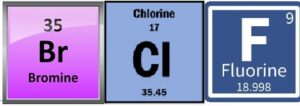
A decreased dietary intake of iodine coupled with an increased intake of competing substances (called goitrogens) has created an epidemic iodine deficiency in America, which can cause both overactive and underactive thyroid function. Iodine intake in the U.S. has fallen > 50% over the last 30 years while the presence of iodine antagonists, such as chlorine, fluoride and bromide from environmental pollution, and the considerable increase of soy products in our diet has increased considerably. Hollowell J.G. et al, Iodine Nutrition in the United States. Trends and Public Health Implications: Iodine Excretion Data from National Health and Nutrition Examination Surveys I and III (1971-1974 ; 1988-1994) J of Clin. Endocr. & Metab.,1998
Fluoride, chlorine and bromine all “beat out” iodine. Atomic weight determines which overpowers the other – fluoride is the overall winner, and iodine the loser.
Thyroid disorder-countering iodine used to be added to bread, but now thyroid disorder-causing bromate is added instead
From 1960-1980, iodine-containing dough conditioners added 150 mcg of iodine to each slice! But over the past 20 years, food processors have substituted this conditioner with bromate, a goitrogenic substance that easily binds to the thyroid gland’s iodine receptors and so inhibits iodine activity and contributes to thyroid disorders (Too much bromine can also cause impaired thinking and memory, drowsiness, dizziness and irritability). The substitution of bromine for iodine has resulted in nearly universal deficiency of iodine in the U.S..
Iodide in table salt is not very bioavailable. Iodate in bread is very bioavailable, whereas only 10% of iodide in iodized salt is absorbed: Pittman, et al, measured serum inorganic iodide levels in two groups of subjects:
- GROUP 1: after iodization of salt, with an estimated daily intake of 750 mcg iodide,
and
- GROUP 2: after iodization of bread, with a similar average intake of iodates. The expected mean blood level at equilibrium would be 17.2 mcg/L (750 mcg/43.5 L). The mean values observed by Pittman, et al, were 1.7 mcg/L for subjects after iodization of salt, and 18.7 mcg/L for subjects after iodization of bread.
There is 30,000 times more chloride than iodide in iodized salt (on a molar basis). Chloride competes with iodide for absorption in the intestinal tract. The low bioavailability of iodide in iodized table salt (sodium chloride) has not generally been reported. Pittman JA, et al. “Changing normal values for thyroidal radioiodine uptake.” NEJM, 1969; 280:1431-1434. PubMed
Iodized table salt isn’t providing sufficient iodine. To get enough iodine to provide a maintenance dose for whole-body sufficiency (i.e. ~3mg), you would need to consume over an ounce of salt every day.
- Iodized salt contains a mere 0.076 mg of iodine / gram of salt.
- Sea salt, soy sauce, and Bragg’s liquid amino acids are all salty condiments that contain NO iodine. Contrary to instinctive opinion, sea salt has very little iodide compared to iodized table salt. The concentration of iodide/iodate in the oceans is a very dilute 0.05 PPM (compare this to bromide, which is 1400 times more concentrated).
Only ~50% of Americans use iodized salt. Many people are persuaded to reduce salt intake, usually because of high blood pressure concerns.
Low iodine content in soil
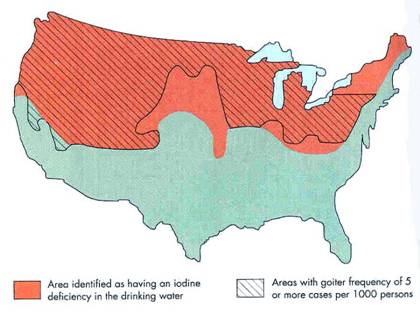
Some areas of the US, known as the Goiter Belt, simply have a very low iodine content. This includes mountainous regions, the Mississippi River Valley, the Ohio River Valley, and the Great Lakes regions (e.g. 40% of the people living in Michigan suffered from goiter in the 1930’s). Also, over-farming has depleted iodine content in soils previously-rich in iodine. All soil containing granite is poor in iodine. E.g. Vermont. Coastal regions have a richer iodine content than inland (Iodide ions in seawater are oxidized to elemental iodine, which is volatilized by UV into the atmosphere and returned to the soil by rain, completing the cycle)

A Biblical Explanation. After the Great Flood, the receding waters washed away the topsoil with all its elements into the oceans and seas. The new topsoil became deficient in iodine and other essential elements. Mountainous areas became the most iodine-deficient because the receding waters were the most rapid over the steep slopes, eroding deeper into the soil and washing it into the seas.
Body’s iodine is used to detoxify toxic metals
Toxic metal contamination is now abundant in many places and products. Here’s just a few examples:
- Mercury in fish. Especially high in large tuna, shark and swordfish;
- Mercury leaching from dental fillings
- Cadmium from tires (in road dust)
Thyroid hormone medications (e.g. Synthroid)
Long-term use of these drugs depletes thyroid and tissue iodine levels. This is associated with increased cancer rates. Fluorescent scanning of the thyroid clearly shows how drug and other medical thyroid therapies deplete the gland and body of critical iodine.
Synthroid or other thyroid-destructive therapies should never be taken without iodine therapy to ensure whole body iodine sufficiency
Symptoms of iodine deficiency | ||
|---|---|---|
| • Brittle nails | • Cold hands and feet | • Cold intolerance |
| • Depression | • Difficulty swallowing | • Dry skin |
| • Dry hair / hair loss | • Lethargy | • High cholesterol |
| • Hoarseness | • Infertility | • Outer 1/3 of eyebrows thinning |
| • Menstrual irregularities | • Early menopause | • Poor memory/concentration |
| • Slower heartbeat | • Throat pain | • Weight gain |
Iodine deficiency affects more than just thyroid function
Concurrently, there has been an increase in thyroid disorders, diabetes, obesity, hypertension, and breast and thyroid cancer.
| Some Illnesses associated with Iodine Deficiency | |
|---|---|
| Fatigue | An underactive thyroid typically causes fatigue. Iodine supplementation can quickly reactivate the thyroid and relieve fatigue. Also, a rodent study that found that iodine deficiency may harm hypothalamic-pituitary-adrenal function – essential for energy and stamina. |
| Thyroid disease | Usually when the thyroid produces too few or too many thyroid hormones |
| Poor digestion | Many organs need iodine, but can’t absorb it until the blood measurements reach very high levels. The stomach and salivary glands are two such organs, but they can’t uptake iodine in any significant amounts until the blood level reaches 100 times what the thyroid needs. Most people do not produce enough stomach acid as they grow older and low gastric acidity can be caused by iodine deficiency. In contrast, iodine promotes stomach acidity. |
| Breast, ovarian, and skin cysts | In addition to fixing almost all cases of breast cysts, iodine also heals ovarian and skin cysts (rub iodine in right over the cyst) |
| Cancer | Iodine especially protects against and also fights reproductive organ cancers. Iodine against cancer |
| Other Female problems | Infertility, miscarriage, endometriosis, PMS, menopausal symptoms are usually caused or aggravated by hypothyroidism / insufficient iodine coupled with estrogen dominance (Estrogen unopposed by PROGESTERONE). |
| Dementia and glaucoma | Iodine is found in large amounts in the brain (including the parts of the brain associated with Parkinson’s disease) and the ciliary body of the eye, a possible factor in glaucoma. A transporter protein has been identified to carry T4 across the blood brain barrier, and another transports T3 across brain cell membranes. |